Museum of Ethnography and Folk Art
The Museum of Ethnography and Folk Art in Târgu Mureș is a vibrant tribute to the cultural diversity of Mureș County, showcasing traditions shaped by Romanian, Hungarian, and Saxon communities. Founded in the mid‑20th century, it grew from small collections gathered by local teachers and folklorists who wanted to preserve rural heritage at a time when modernization threatened traditional crafts. This origin gives the museum a personal, community‑driven character. Inside, visitors encounter beautifully arranged interiors that recreate village homes, complete with wooden furniture, woven carpets, and hand‑painted ceramics. One of the most interesting features is the textile collection: embroidered shirts, skirts, and festive garments that reveal regional patterns and symbolic motifs. The craftsmanship is striking, with colors and stitches varying from village to village. The museum also displays tools used in weaving, woodworking, and farming, offering insight into daily life and seasonal rituals. A highlight is the collection of masks and costumes used in winter traditions, which illustrate the playful, theatrical side of rural celebrations. Traditional musical instruments—flutes, violins, and cobzas—add another layer, showing how music shaped community gatherings.
Târgu Mureș Romania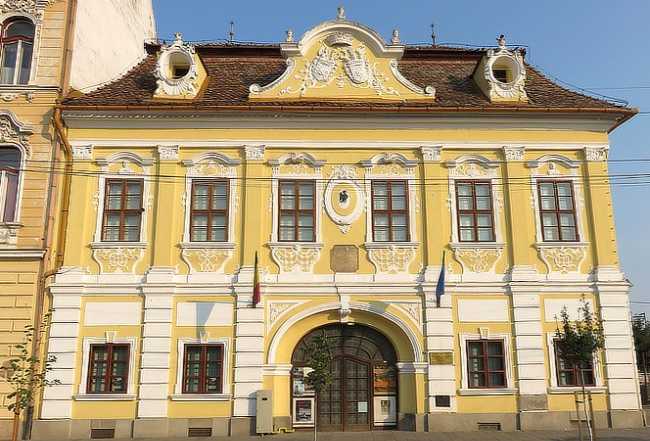
The Museum of Ethnography and Folk Art in Târgu Mureș is located on Piața Trandafirilor, in the historic Toldalagi Palace. The 18th-century Baroque building itself is a landmark, with a vaulted gate and a spacious inner courtyard. As part of the Mureș County Museum, it showcases the traditional culture of the Mureș region. The collection includes folk costumes, painted furniture, ceramics, textiles, wooden tools, and household objects from Romanian, Hungarian, Saxon, and Roma communities. The museum sits on Roses Square, the city’s main pedestrian area lined with cafés, fountains, and Art Nouveau buildings. Directly across the square is the Palace of Culture, a stunning Art Nouveau landmark housing the Museum of History and Archaeology, the Art Museum, and the famous Hall of Mirrors with stained glass. Steps away is the Orthodox Cathedral, the largest in the city, built in Neo-Byzantine style. Nearby you’ll find the Teleki-Bolyai Library, a Baroque jewel with rare books and the Bolyai Museum dedicated to the two famous mathematicians. A short walk leads to the Medieval Citadel of Târgu Mureș, with its preserved bastions and Reformed Church. The Town Hall, synagogue, and Museum of Natural Sciences are also close by. Located in the heart of the city, the museum is an ideal stop for discovering the region’s multicultural heritage and traditional art.
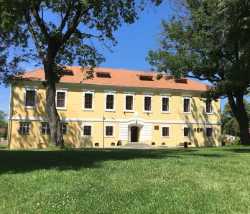 Museum
 of Natural Sciences
Museum
Museum of Natural Sciences
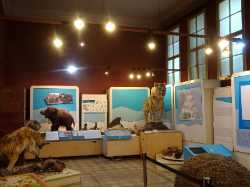 Museum
Teleki-Bolyai Library Museum
Museum
Teleki-Bolyai Library Museum
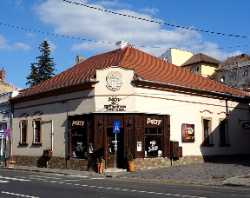 Museum
Avram Iancu Memorial House
Museum
Avram Iancu Memorial House
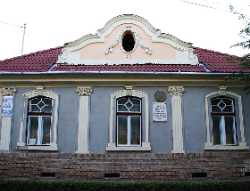 Museum
Medieval Fortress of Târgu Mureș
Museum
Medieval Fortress of Târgu Mureș
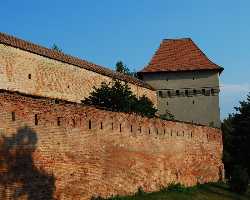 Fortress
Palace of Culture Târgu Mureș
Fortress
Palace of Culture Târgu Mureș
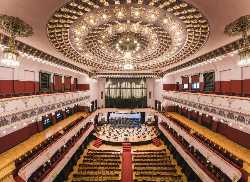 Palace
Fortress Church
Palace
Fortress Church
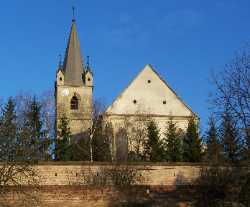 Church
Ascension Cathedral
Church
Ascension Cathedral
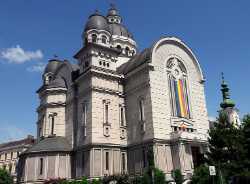 Cathedral
Târgu Mureș National Theatre
Cathedral
Târgu Mureș National Theatre
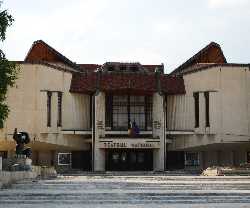 Theatre
Platoul Cornești
Theatre
Platoul Cornești
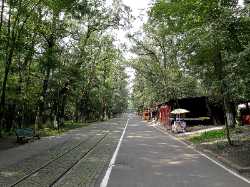 Park
Park