Avram Iancu Memorial House
Avram Iancu Memorial House in Târgu Mureș is a small but deeply symbolic museum dedicated to one of Transylvania’s most influential 19th‑century leaders. Although Avram Iancu was born in the Apuseni Mountains, this memorial house preserves the connection between his legacy and the cultural life of Târgu Mureș, where many documents and testimonies about the 1848–1849 Revolution were later gathered. One interesting fact is that the house itself belonged to supporters of Iancu’s movement, making it a meaningful location for preserving his memory. Inside, visitors find a carefully curated collection of personal items, period furniture, and objects linked to Iancu’s political and legal career. Manuscripts, letters, and contemporary publications illustrate his role as a lawyer and activist defending the rights of Transylvania’s Romanian population. The museum also displays traditional clothing associated with Iancu’s image, including the iconic white shepherd’s coat that became a symbol of the revolution. A highlight is the room dedicated to the events of 1848, featuring maps, portraits, and artifacts that help visitors understand the broader historical context. The atmosphere is intimate, allowing for quiet reflection on Iancu’s life, ideals, and the cultural identity he helped shape.
Târgu Mureș Romania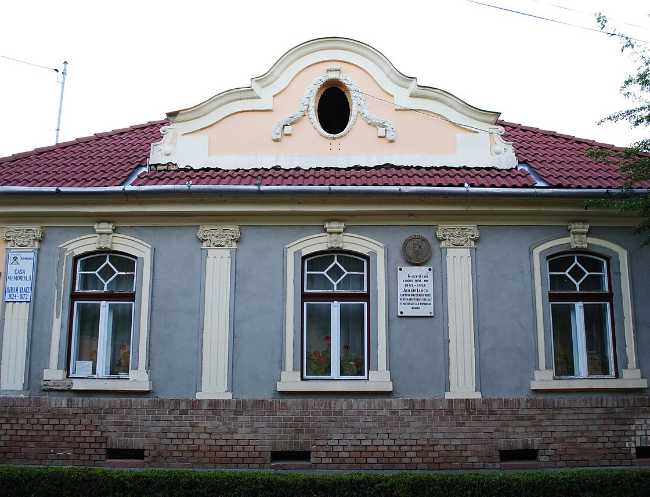
The Avram Iancu Memorial House is located in the Tudor Vladimirescu district of Târgu Mureș, on Strada Avram Iancu. The small traditional house was set up as a memorial museum to honor Avram Iancu, a key leader of the 1848 Revolution in Transylvania. Although he was born in the Apuseni Mountains, the house in Târgu Mureș preserves documents, photographs, personal objects, and period furniture that illustrate his life, legal career, and role in the national movement. The exhibition offers context on the 1848 events and the struggles of Romanians in Transylvania during the 19th century. The memorial house is outside the city center, in a quiet residential area. To explore Târgu Mureș’s main attractions, head toward Roses Square, the central pedestrian promenade. There you’ll find the Palace of Culture, an Art Nouveau masterpiece with the Hall of Mirrors, plus the Museum of History and Archaeology and the Art Museum. Nearby are the Orthodox Cathedral, the Teleki-Bolyai Library with its rare books and Bolyai Museum, and the Medieval Citadel with its preserved bastions and Reformed Church. The Museum of Ethnography and Folk Art, the Museum of Natural Sciences, and the Town Hall are also within easy reach of the city center. While the memorial house is more remote, it offers insight into a defining figure of Romanian history and pairs well with a broader tour of Târgu Mureș’s cultural sites.
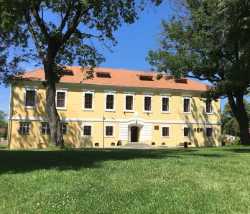 Museum
 of Natural Sciences
Museum
Museum of Natural Sciences
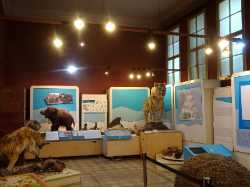 Museum
 of Ethnography and Folk Art
Museum
Museum of Ethnography and Folk Art
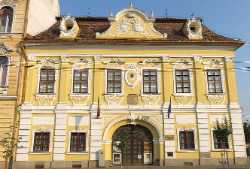 Museum
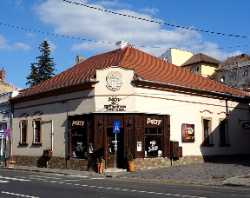
Teleki-Bolyai Library Museum
Museum
Teleki-Bolyai Library Museum
 Museum
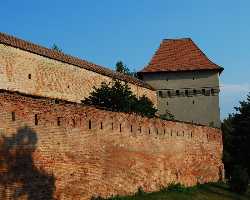
Medieval Fortress of Târgu Mureș
Museum
Medieval Fortress of Târgu Mureș
 Fortress
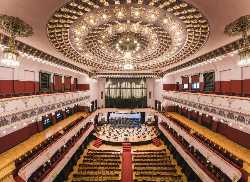
Palace of Culture Târgu Mureș
Fortress
Palace of Culture Târgu Mureș
 Palace
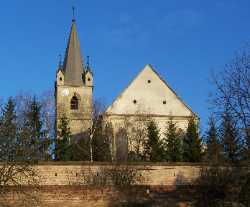
Fortress Church
Palace
Fortress Church
 Church
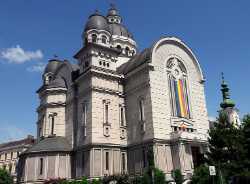
Ascension Cathedral
Church
Ascension Cathedral
 Cathedral
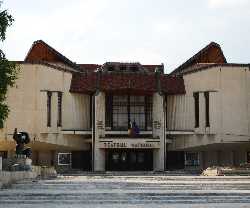
Târgu Mureș National Theatre
Cathedral
Târgu Mureș National Theatre
 Theatre
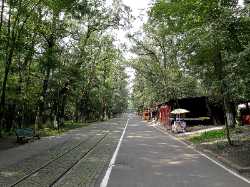
Platoul Cornești
Theatre
Platoul Cornești
 Park
Park