Sighișoara History Museum
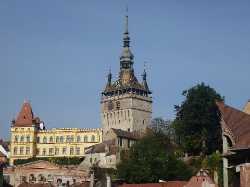
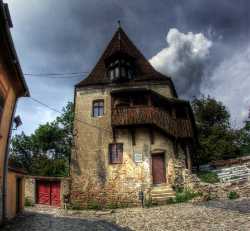
Sighișoara History Museum occupies one of the citadel’s most iconic structures: the Clock Tower, a 14th‑century fortification that once served as the seat of the town council. Its rooms climb vertically through the tower, creating a museum experience that feels part historical exhibition, part medieval ascent. Each floor reveals a different layer of Saxon urban life, from guild traditions to early medical practices. One of the most intriguing facts is that the museum’s collection grew from objects donated by local families, many preserved since the days when Sighișoara was a bustling craft centre. Inside, you’ll find finely carved guild chests, early firefighting equipment, and delicate household items that show how prosperous the citadel once was. The medical room is a visitor favourite: it displays 18th‑century surgical tools that look more suited to a blacksmith’s bench than a clinic. The Clock Tower’s mechanism itself is a highlight. The figurines that rotate above the entrance—Justice, Peace, Day, Night—are carved from linden wood and have been replaced several times over centuries, each generation adding its own artistic touch. As you climb, narrow wooden stairs lead to the panoramic balcony, offering one of the best views over Sighișoara’s rooftops.
Sighișoara Romania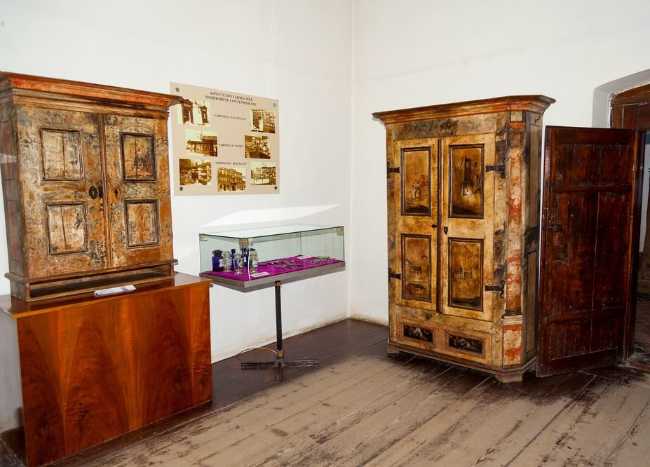
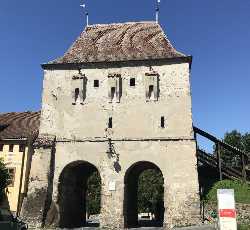
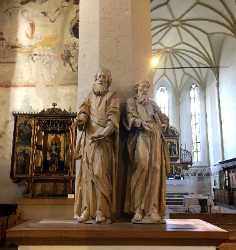
The Sighișoara History Museum is housed inside the iconic Clock Tower, the main gate of the medieval citadel and the city’s best-known landmark. You’ll find it at Piața Muzeului 1, in the heart of Sighișoara’s UNESCO-listed Historic Centre. The museum occupies three floors of the 14th-century tower, displaying archaeological finds, medieval tools, weapons, clocks, guild artifacts, and a scale model of the old town. A small Pharmacy Museum is also part of the collection. Climb the narrow wooden stairs to the top balcony for sweeping views over the citadel’s red-tiled roofs and the surrounding countryside. Being in the Clock Tower places you right at the center of the action. Steps away is Piața Cetății, the lively Citadel Square lined with colorful burgher houses, cafes, and craft shops. Nearby highlights include Vlad Dracul House, believed to be the birthplace of Vlad the Impaler, the Church of the Dominican Monastery, and the Medieval Weapon Museum. A short walk up the Covered Staircase, a 17th-century wooden passage with 164 steps, takes you to the School Hill, the Church on the Hill with its 15th-century frescoes, and the Saxon cemetery. The Tailors’ Tower, Butchers’ Tower, and other fortification towers that once defended the citadel are scattered around the cobbled streets. You can also visit the Torture Museum, the House with the Deer Antler, and the Venetian House.
 Fortress
 Historical Landmark
 Church
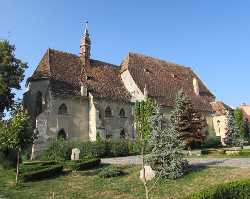 Church
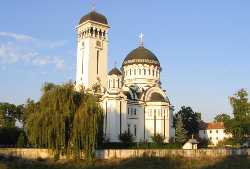 Church
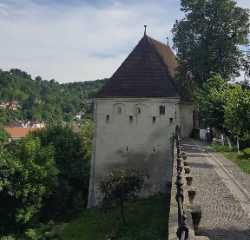 Historical Landmark
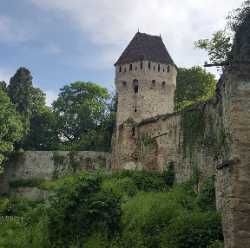 Historical Landmark
 Historical Landmark