Archaeological Museum of Corfu
The Archaeological Museum of Corfu offers one of the most compelling journeys into the island’s ancient past, showcasing finds that span from the Archaic period to late Roman times. Its star attraction is the monumental Gorgon pediment from the Temple of Artemis, one of the earliest and largest stone pediments in Greece. Medusa’s fierce expression, flanked by mythical creatures, reveals the bold artistic experimentation of 6th‑century BC sculptors. Inside, visitors can explore finely crafted bronze weapons, pottery with intricate geometric patterns, and delicate terracotta figurines that illuminate everyday life in ancient Corfu. A highlight is the collection of archaic funerary art, including reliefs that depict rituals, family scenes, and symbolic guardians of the afterlife. These pieces offer rare insight into local beliefs and social customs. The museum also houses impressive Roman mosaics discovered in Corfu’s villas, featuring vivid colours and mythological themes. Inscriptions, coins, and architectural fragments help reconstruct the island’s role as a crossroads between Greece, Italy, and the wider Mediterranean.
Corfu Town Greece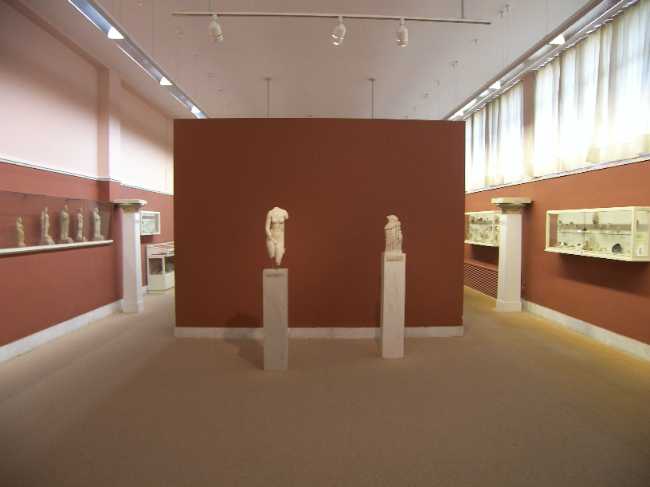
The Archaeological Museum of Corfu is located in the Garitsa neighborhood, just south of the historic center of Corfu Town. You can find it housed in a modern two-story building at 1 Vraila Armeni Street, Kerkyra 491 00. Its location along the scenic Garitsa Bay coastal area makes it a comfortable walking distance from the UNESCO-listed old town and several major historical monuments. Because it rests close to the town center, exploring other notable attractions is very easy. A short walk along the coastal promenade leads straight to the grand Old Fortress of Corfu, a massive 16th-century Venetian sea castle that looks out over the harbor. Heading slightly inland brings you to Spianada Square, the largest public square in Greece, bordered by the Liston promenade with its elegant arches and Parisian-style cafes.At the northern edge of Spianada Square sits the majestic Palace of St. Michael and St. George, a neoclassical British-era palace that now houses the Museum of Asian Art. Strolling deeper into the historic quarters lets you visit Casa Parlante, a living history museum inside a 19th-century mansion, as well as the Church of Saint Spiridon, the island's most famous church. If you venture a bit further south, you can explore the Mon Repos Palace estate and its surrounding archaeological park, making the museum a perfect anchor point for a day of historical sightseeing.
 Museum
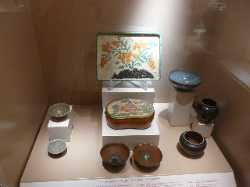
Byzantine Museum of Antivouniotissa
Museum
Byzantine Museum of Antivouniotissa
 Museum
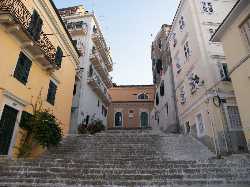
 of Palaiopolis – Mon Repos
Museum
Museum of Palaiopolis – Mon Repos
 Museum
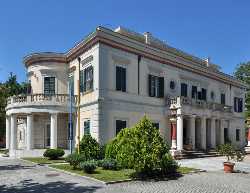
Municipal Gallery of Corfu
Museum
Municipal Gallery of Corfu
 Museum
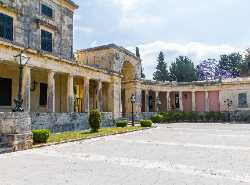
 of Dionysios Solomos
Museum
Museum of Dionysios Solomos
 Museum
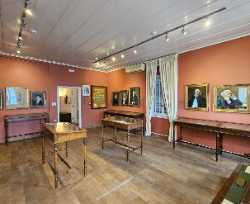
 of the Philharmonic Society of Corfu
Museum
Museum of the Philharmonic Society of Corfu
 Museum
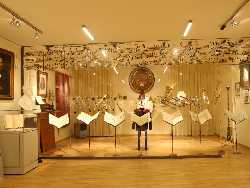
Serbian Museum of Corfu
Museum
Serbian Museum of Corfu
 Museum
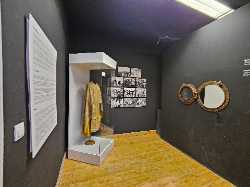
Banknote Museum of the Ionian Bank
Museum
Banknote Museum of the Ionian Bank
 Museum
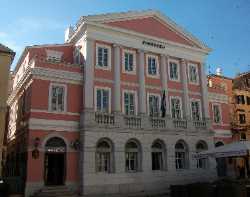
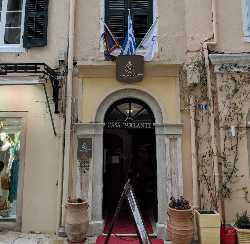
Casa Parlante Museum
Museum
Casa Parlante Museum
 Museum
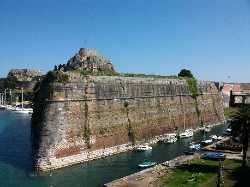
Old Fortress of Corfu
Museum
Old Fortress of Corfu
 Fortress
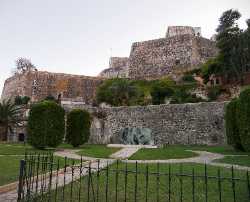
New Fortress of Corfu
Fortress
New Fortress of Corfu
 Fortress
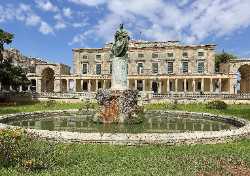
Palace of St. Michael and St. George
Fortress
Palace of St. Michael and St. George
 Palace
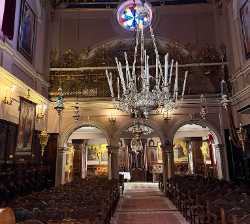
Holy Church of Saint Spyridon
Palace
Holy Church of Saint Spyridon
 Church
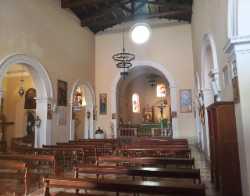
Catholic Metropolitan Cathedral of Saints Jacob and Christopher
Church
Catholic Metropolitan Cathedral of Saints Jacob and Christopher
 Church
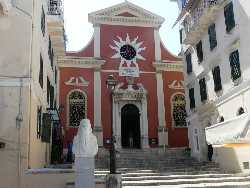
 of Panagia Spiliotissa
Church
Church of Panagia Spiliotissa
 Church
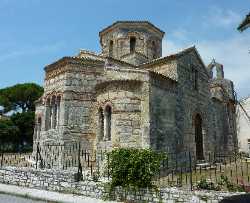
 of Saints Jason and Sosipater
Church
Church of Saints Jason and Sosipater
 Church
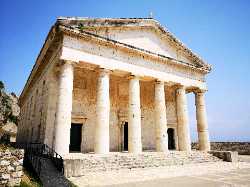
 of St. George – Old Fortress
Church
Church of St. George – Old Fortress
 Church
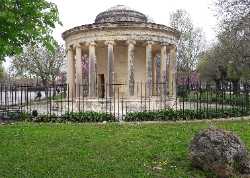
Spianada Square
Church
Spianada Square
 Park
Park