Banknote Museum of the Ionian Bank
The Banknote Museum of the Ionian Bank in Corfu is a compact but captivating institution that traces the evolution of Greek currency from the early 19th century to the euro era. Housed in the former Ionian Bank building, it preserves the legacy of one of Greece’s oldest financial institutions, founded in 1839 to serve the Ionian Islands under British protection. Its collection is considered one of the most complete numismatic archives in the country. Inside, visitors can explore rare banknotes issued during the short-lived Ionian State, beautifully engraved notes from the early Greek kingdom, and emergency issues printed during turbulent periods such as World War II and the Greek Civil War. One highlight is the meticulous display of drachma designs across decades, showing how political shifts, artistic trends, and national symbols shaped everyday money. The museum also features printing plates, watermarks, and security elements that reveal how banknote production evolved from manual engraving to modern anti-counterfeiting techniques. A dedicated section explains the transition from the drachma to the euro in 2002, offering a thoughtful reflection on Greece’s economic journey. For anyone interested in history, design, or the stories hidden in currency, this small museum offers a surprisingly rich and engaging experience.
Corfu Town Greece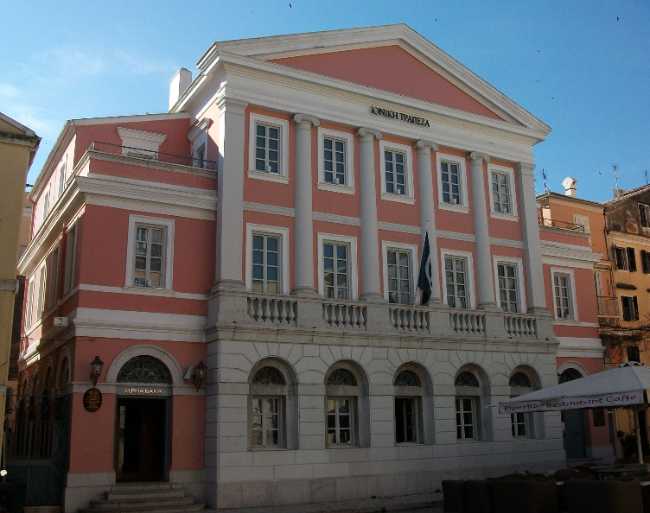
The Banknote Museum of the Ionian Bank sits right in the heart of Corfu Town, on Agiou Spyridonos Square (also called Iroon Kypriakou Agona Square), 491 00 Corfu, Greece. You’ll find it in the old Ionian Bank building along Nikiforou Theotoki Street, smack in the middle of the pedestrian Old Town. Step outside and you’re already in one of the liveliest spots on the island. The Church of Saint Spyridon, Corfu’s patron saint, is just across the square — hard to miss with its tall red-domed bell tower. A short stroll takes you to the famous Liston arcade and the big green Spianada Square, where locals and visitors hang out, sip coffee, and watch the world go by. Keep walking and you’ll reach the Old Fortress, that dramatic Venetian castle on the headland overlooking the sea. Nearby is the Palace of St. Michael and St. George, home to the Museum of Asian Art. The New Fortress isn’t far either, and the whole historic centre is packed with little alleys, churches, and other museums like the Antivouniotissa. Everything feels close and easy to explore on foot, which is the best way to soak up the place.
 Museum
 of Asian Art of Corfu
Museum
Museum of Asian Art of Corfu
 Museum
Byzantine Museum of Antivouniotissa
Museum
Byzantine Museum of Antivouniotissa
 Museum
 of Palaiopolis – Mon Repos
Museum
Museum of Palaiopolis – Mon Repos
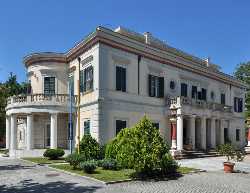 Museum
Municipal Gallery of Corfu
Museum
Municipal Gallery of Corfu
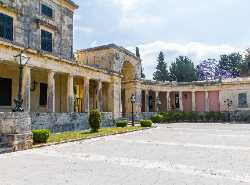 Museum
 of Dionysios Solomos
Museum
Museum of Dionysios Solomos
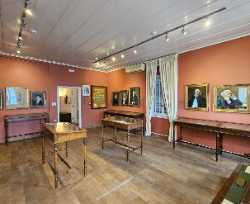 Museum
 of the Philharmonic Society of Corfu
Museum
Museum of the Philharmonic Society of Corfu
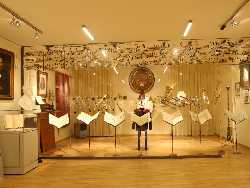 Museum
Serbian Museum of Corfu
Museum
Serbian Museum of Corfu
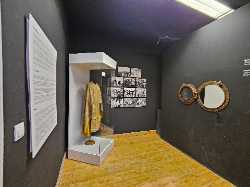 Museum
Casa Parlante Museum
Museum
Casa Parlante Museum
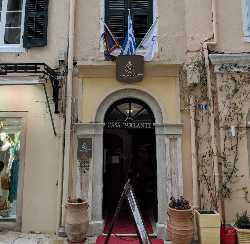 Museum
Old Fortress of Corfu
Museum
Old Fortress of Corfu
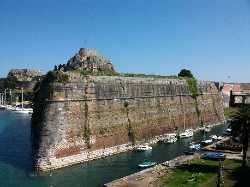 Fortress
New Fortress of Corfu
Fortress
New Fortress of Corfu
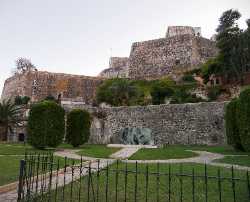 Fortress
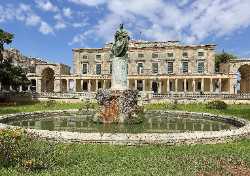
Palace of St. Michael and St. George
Fortress
Palace of St. Michael and St. George
 Palace
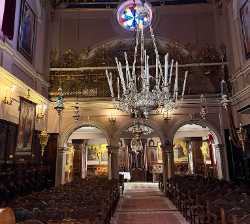
Holy Church of Saint Spyridon
Palace
Holy Church of Saint Spyridon
 Church
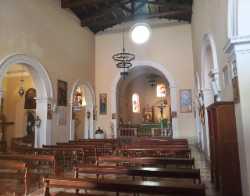
Catholic Metropolitan Cathedral of Saints Jacob and Christopher
Church
Catholic Metropolitan Cathedral of Saints Jacob and Christopher
 Church
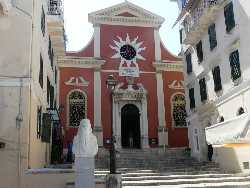
 of Panagia Spiliotissa
Church
Church of Panagia Spiliotissa
 Church
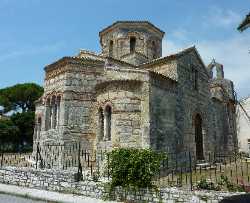
 of Saints Jason and Sosipater
Church
Church of Saints Jason and Sosipater
 Church
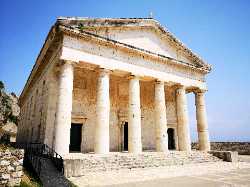
 of St. George – Old Fortress
Church
Church of St. George – Old Fortress
 Church
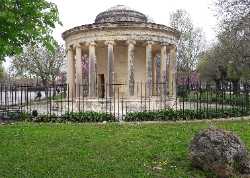
Spianada Square
Church
Spianada Square
 Park
Park