Archaeological Museum of Kavala
The Archaeological Museum of Kavala offers a compact yet surprisingly rich journey through the ancient history of Eastern Macedonia. Its collection spans from Neolithic settlements to the flourishing urban life of ancient Neapolis, the city that preceded modern Kavala. One of the museum’s most intriguing aspects is how clearly it illustrates the region’s role as a crossroads between Thracian, Greek, and later Roman cultures. Inside, visitors first encounter prehistoric finds: stone tools, pottery, and figurines that reveal early human activity along the Aegean coast. The classical galleries are the museum’s highlight. Here you’ll see marble statues, reliefs, and architectural fragments from Neapolis, including a striking torso of a kouros and finely carved funerary steles that showcase the craftsmanship of local workshops. Particularly memorable are the mosaics and domestic objects that bring everyday ancient life into focus. A dedicated section explores the sanctuary of Parthenos, the city’s patron deity, with votive offerings and inscriptions that shed light on local religious practices. The Roman period is represented through coins, ceramics, and items from villas and baths that illustrate Kavala’s continued prosperity.
Kavala Greece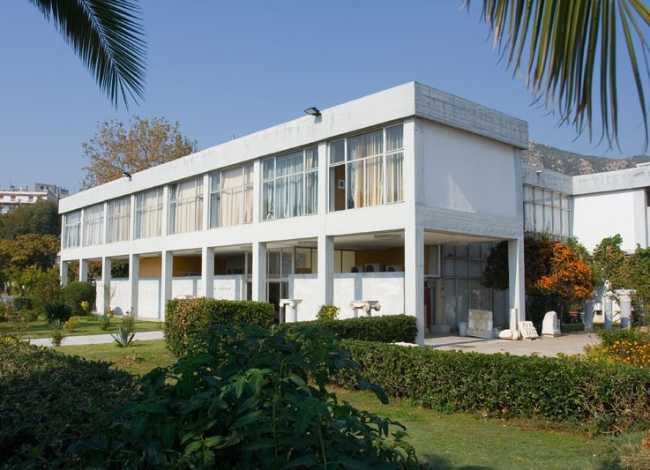
The Archaeological Museum of Kavala sits along the scenic harbor front in the port city of Kavala, located in the Eastern Macedonia region of northern Greece. You can easily find it near the main coastal promenade at Erithrou Stavrou 17, Kavala 653 02, Greece. The surrounding area is filled with historic sights and cultural spots within easy walking distance. Just down the road, you can wander through the lush paths of Faliro Park or explore the Tobacco Museum of Kavala, which offers a unique look into the city’s industrial heritage. Heading slightly inland toward the old town peninsula, you will run right into the impressive Ottoman-era Kamares Aqueduct.Strolling further up the cobblestone streets of the Panagia neighborhood brings you to the Halil Bey Mosque and the Imaret, a striking complex of classical Islamic architecture built over two centuries ago. At the very top of the hill sits the Castle of Kavala, a massive medieval fortress providing panoramic views over the Aegean Sea and the bustling port below.
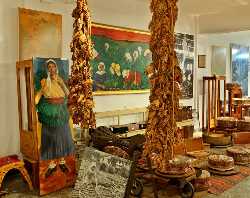 Museum
Maritime Museum of Kavala
Museum
Maritime Museum of Kavala
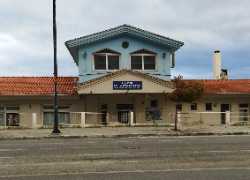 Museum
 of Greek Refugees
Museum
Museum of Greek Refugees
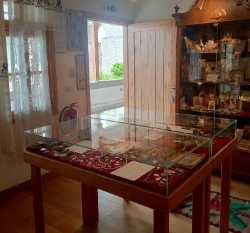 Museum
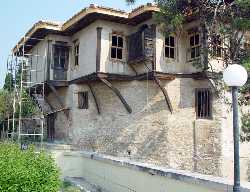
Mehmet Ali Pasha House Museum
Museum
Mehmet Ali Pasha House Museum
 Museum
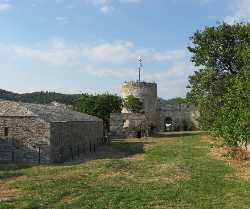
Kavala Fortress
Museum
Kavala Fortress
 Fortress
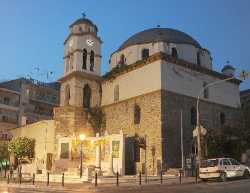
Church of Saint Nicholas Kavala
Fortress
Church of Saint Nicholas Kavala
 Church
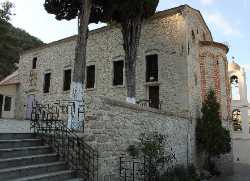
 of Saint Athanasios
Church
Church of Saint Athanasios
 Church
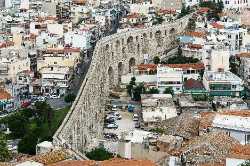
Aqueduct of Kavala
Church
Aqueduct of Kavala
 Historical Landmark
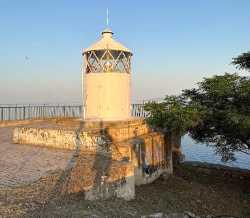
Kavala Lighthouse
Historical Landmark
Kavala Lighthouse
 Lighthouse
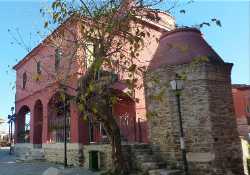
Halil Bey Mosque
Lighthouse
Halil Bey Mosque
 Historical Landmark
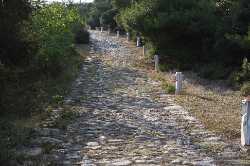
Via Egnatia
Historical Landmark
Via Egnatia
 Historical Landmark