Via Egnatia
Via Egnatia is one of the most storied routes of the ancient world, and Kavala—once known as Neapolis—was one of its most important coastal stations. Built in the 2nd century BCE by the Romans, the road stretched across the Balkans from Dyrrachium on the Adriatic to Byzantium, binding distant provinces into a single imperial network. Kavala’s segment preserves this legacy vividly, offering visitors a tangible link to the movement of armies, merchants, and ideas that shaped southeastern Europe. Walking through the old Panagia district, you can still trace parts of the ancient alignment. Stone-paved stretches, worn smooth by centuries of use, appear between houses and along narrow lanes. These remnants mark the very path taken by Apostle Paul when he arrived in Neapolis on his journey to Philippi, a moment that gives the site both historical and spiritual resonance. Interpretive signs explain how the road supported trade, military logistics, and cultural exchange. The surrounding neighborhood, with its layered architecture and views toward the harbor, helps you imagine the bustle of caravans and travelers arriving from distant lands.
Kavala Greece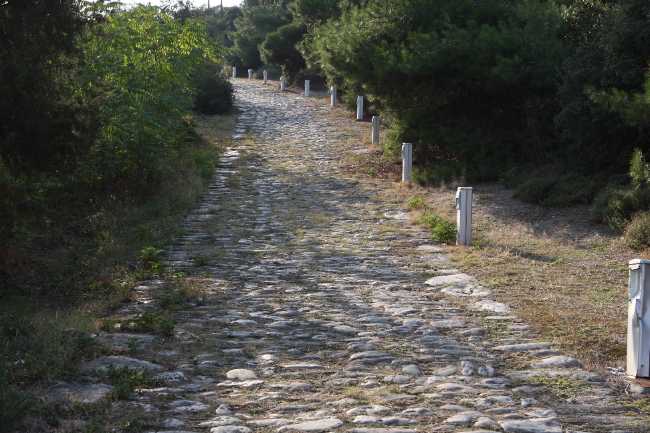
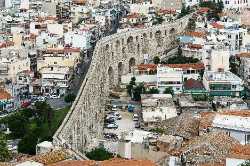
The ancient Via Egnatia in Kavala represents a well-preserved section of the famous Roman road built in the 2nd century BC. You can find this atmospheric stone-paved path right along the city's outskirts near Makedonias 2, Kavala 654 03, Greece, starting just below the Egnatia Hotel. The historic paved trail meanders uphill through a scenic green valley toward the Agios Silas area, offering hikers a real step back in time along the ancient military route that once linked Rome to Constantinople. Its location makes it easy to combine a peaceful walk with exploring the city's top cultural landmarks. Following the trail downhill brings you directly into the city center, where you can admire the soaring arches of the Kamares Aqueduct. Beyond the aqueduct, you can wander into the Panagia historic quarter to visit the Halil Bey Mosque, the grand Imaret complex, and the Mehmet Ali Pasha House Museum. At the top of the peninsula sits the medieval Castle of Kavala, providing sweeping views over the harbor and the coast. Down by the waterfront, you can visit the Archaeological Museum of Kavala to see ancient artifacts discovered along the Via Egnatia, or pop over to the Kavala Municipality Tobacco Museum. Following the ancient road further northwest outside the city brings you to the world-famous Archaeological Site of Philippi, home to an ancient theater, a forum, and early Christian basilicas.
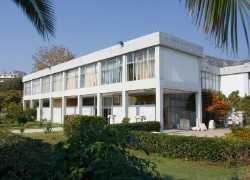 Museum
Kavala Municipality Tobacco Museum
Museum
Kavala Municipality Tobacco Museum
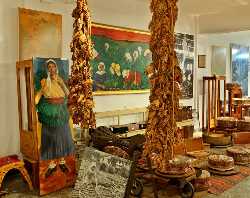 Museum
Maritime Museum of Kavala
Museum
Maritime Museum of Kavala
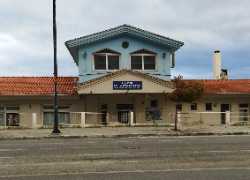 Museum
 of Greek Refugees
Museum
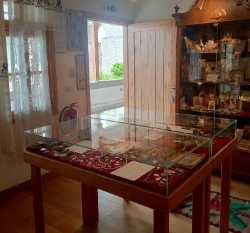
Museum of Greek Refugees
 Museum
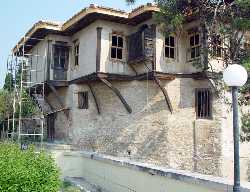
Mehmet Ali Pasha House Museum
Museum
Mehmet Ali Pasha House Museum
 Museum
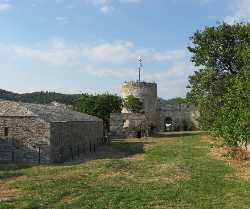
Kavala Fortress
Museum
Kavala Fortress
 Fortress
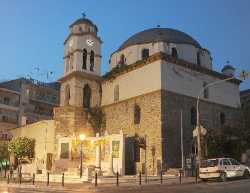
Church of Saint Nicholas Kavala
Fortress
Church of Saint Nicholas Kavala
 Church
 of Saint Athanasios
Church
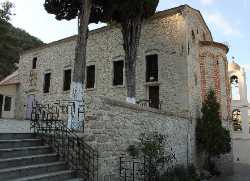
Church of Saint Athanasios
 Church
Aqueduct of Kavala
Church
Aqueduct of Kavala
 Historical Landmark
Kavala Lighthouse
Historical Landmark
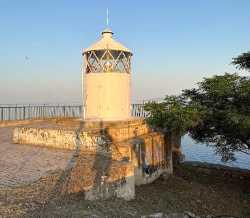
Kavala Lighthouse
 Lighthouse
Halil Bey Mosque
Lighthouse
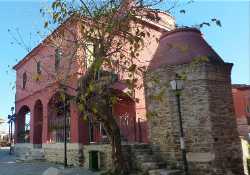
Halil Bey Mosque
 Historical Landmark