Museum of Greek Refugees
The Museum of Greek Refugees in Kavala is one of the city’s most moving cultural spaces, dedicated to the communities who arrived after the Asia Minor Catastrophe of 1922. Housed in a restored building within the old refugee quarter, it preserves the memory of thousands who reshaped Kavala’s identity through their traditions, crafts, and resilience. What makes the museum especially compelling is its focus on personal stories rather than grand historical narratives. Inside, visitors encounter everyday objects brought by refugees during their flight: embroidered textiles, kitchenware, family photographs, and religious icons that reveal the emotional weight of displacement. Detailed maps and documents trace the journeyThe Museum of Greek Refugees in Kavala is one of the city’s most moving cultural spaces, dedicated to the communities who arrived after the 1923 population exchange between Greece and Turkey. Set in a restored building once used by refugee families, the museum preserves the memory of a dramatic chapter that reshaped Kavala’s identity and urban fabric. Inside, visitors encounter personal objects brought across the Aegean—embroidered textiles, household tools, religious items, and family photographs that survived the journey. These artifacts offer an intimate look at daily life in the lost homelands of Asia Minor.
Kavala Greece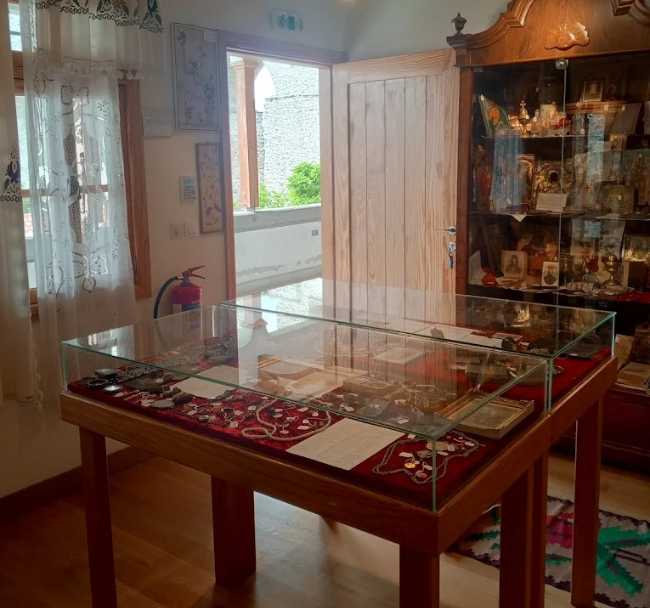
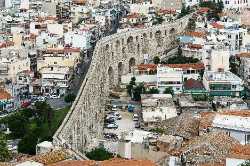
The Museum of Greek Refugees is located in the coastal city of Kavala in northern Greece. You can find this cultural venue right next to the town's famous aqueduct at Kolokotroni 2, Kavala 652 01, Greece. The museum is dedicated to preserving the memory, personal belongings, traditional costumes, and historical relics brought over by families who resettled in the region. Because of its location near the historic center, you are within easy walking distance of several famous landmarks. Standing right beside the museum is the Kamares Aqueduct, a massive Ottoman-era stone structure with soaring arches that once supplied the city with water. Following the streets upward into the historic Panagia district leads you past stone houses to the Halil Bey Mosque and the grand Imaret complex, a striking example of classical Islamic architecture overlooking the harbor. At the highest point of the peninsula sits the Castle of Kavala, a medieval fortress offering panoramic views across the port and the Aegean Sea. If you head down toward the main waterfront, you can explore the Archaeological Museum of Kavala, which houses ancient artifacts from across Eastern Macedonia. Nearby, you can also visit the Kavala Municipality Tobacco Museum to learn about the city’s rich history as a major European tobacco hub.
 Museum
Kavala Municipality Tobacco Museum
Museum
Kavala Municipality Tobacco Museum
 Museum
Maritime Museum of Kavala
Museum
Maritime Museum of Kavala
 Museum
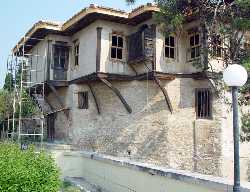
Mehmet Ali Pasha House Museum
Museum
Mehmet Ali Pasha House Museum
 Museum
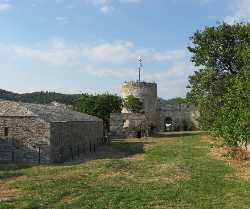
Kavala Fortress
Museum
Kavala Fortress
 Fortress
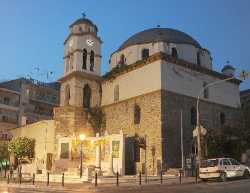
Church of Saint Nicholas Kavala
Fortress
Church of Saint Nicholas Kavala
 Church
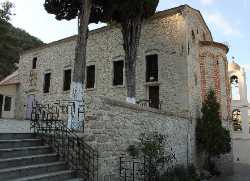
 of Saint Athanasios
Church
Church of Saint Athanasios
 Church
Aqueduct of Kavala
Church
Aqueduct of Kavala
 Historical Landmark
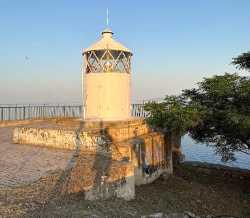
Kavala Lighthouse
Historical Landmark
Kavala Lighthouse
 Lighthouse
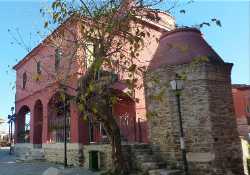
Halil Bey Mosque
Lighthouse
Halil Bey Mosque
 Historical Landmark
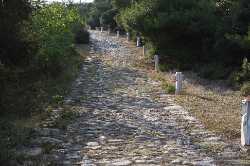
Via Egnatia
Historical Landmark
Via Egnatia
 Historical Landmark