Mehmet Ali Pasha House Museum
The Mehmet Ali Pasha House Museum is one of Kavala’s most atmospheric landmarks, perched on the slopes of the old Panagia district with sweeping views over the harbor. Built around 1780, it is a rare surviving example of an affluent Ottoman mansion in northern Greece and the birthplace of Mehmet Ali, founder of modern Egypt. Its architecture alone is worth the visit: a harmonious blend of stone, timber, and projecting upper floors that reflect the style of wealthy Balkan households of the era. Inside, the rooms are arranged to preserve the feel of an 18th‑century residence. The selamlik, traditionally used for receiving guests, features carved wooden ceilings, geometric decorations, and wide divans lining the walls. The harem section is more intimate, with smaller chambers, delicate latticework, and windows framing the sea. Many visitors are struck by the contrast between the mansion’s simplicity and the powerful historical figure it produced. The museum also displays objects related to Mehmet Ali’s life and legacy, including portraits, documents, and items illustrating his rise from Kavala to the Egyptian throne. The courtyard, shaded by old trees, adds to the sense of quiet grandeur.
Kavala Greece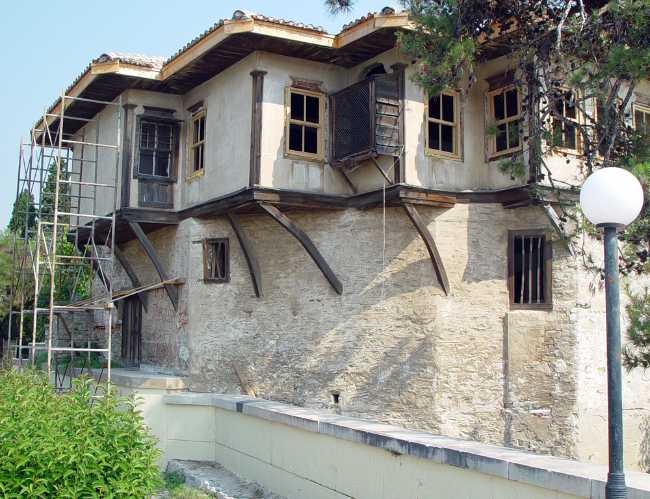
The Mehmet Ali Pasha House Museum is situated in the historic Panagia district of Kavala, a coastal city in northern Greece. You can find this landmark at Poulidou 33, Kavala 652 01, Greece. Perched high on the rocky peninsula, this preserved 18th-century mansion was the birthplace of Mehmet Ali Pasha, founder of modern Egypt, and serves as a fine example of traditional Ottoman domestic architecture. Its setting atop the old town peninsula places you right beside several remarkable historical sights. Right in front of the residence stands the bronze statue of Mehmet Ali, looking out over the sea. Walking just steps along the cobblestone lane brings you to the Imaret, an expansive Ottoman-era complex built by Mehmet Ali that stands as a stunning architectural site. A short stroll further up the hill leads to the Halil Bey Mosque and the ancient Castle of Kavala, a medieval fortress offering panoramic views across the harbor and the Aegean waters. As you head back down toward the city center from the Panagia neighborhood, you will pass beneath the soaring arches of the Kamares Aqueduct. Near the waterfront, you can also explore the Archaeological Museum of Kavala, which houses ancient artifacts from across Eastern Macedonia, as well as the Kavala Municipality Tobacco Museum, which showcases the city's rich industrial past.
 Museum
Kavala Municipality Tobacco Museum
Museum
Kavala Municipality Tobacco Museum
 Museum
Maritime Museum of Kavala
Museum
Maritime Museum of Kavala
 Museum
 of Greek Refugees
Museum
Museum of Greek Refugees
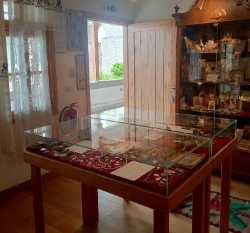 Museum
Kavala Fortress
Museum
Kavala Fortress
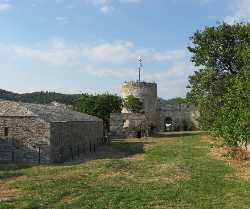 Fortress
Church of Saint Nicholas Kavala
Fortress
Church of Saint Nicholas Kavala
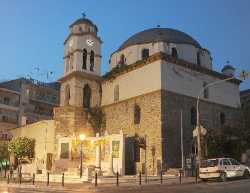 Church
 of Saint Athanasios
Church
Church of Saint Athanasios
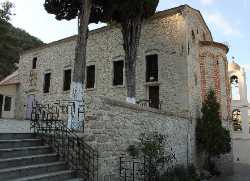 Church
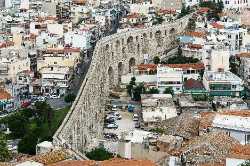
Aqueduct of Kavala
Church
Aqueduct of Kavala
 Historical Landmark
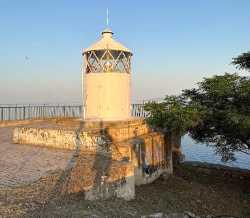
Kavala Lighthouse
Historical Landmark
Kavala Lighthouse
 Lighthouse
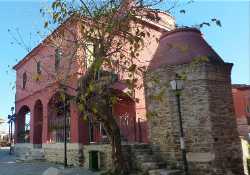
Halil Bey Mosque
Lighthouse
Halil Bey Mosque
 Historical Landmark
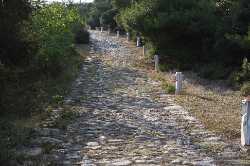
Via Egnatia
Historical Landmark
Via Egnatia
 Historical Landmark