Kavala Fortress
Kavala Fortress crowns the Panagia peninsula with a commanding presence, offering one of the most atmospheric vantage points in northern Greece. Its current form dates largely to the early 15th century, when the Ottomans rebuilt earlier Byzantine defenses. The structure is a layered palimpsest: medieval walls, Ottoman additions, and later repairs blend into a rugged ensemble that still feels alive with history. Inside the gate, visitors enter a spacious courtyard framed by thick ramparts and towers. The most striking feature is the central keep, a cylindrical tower that once served as the last line of defense. Climbing to its top rewards you with sweeping views over Kavala, the harbor, and Thasos shimmering in the distance. The fortress also preserves cisterns, storage rooms, and remnants of barracks that hint at daily military life. A walk along the battlements reveals narrow passages, arrow slits, and lookout points that illustrate how the fortress controlled sea routes and protected the old town. In summer, the open-air theatre hosts concerts and performances, adding a cultural dimension to the site’s martial past.
Kavala Greece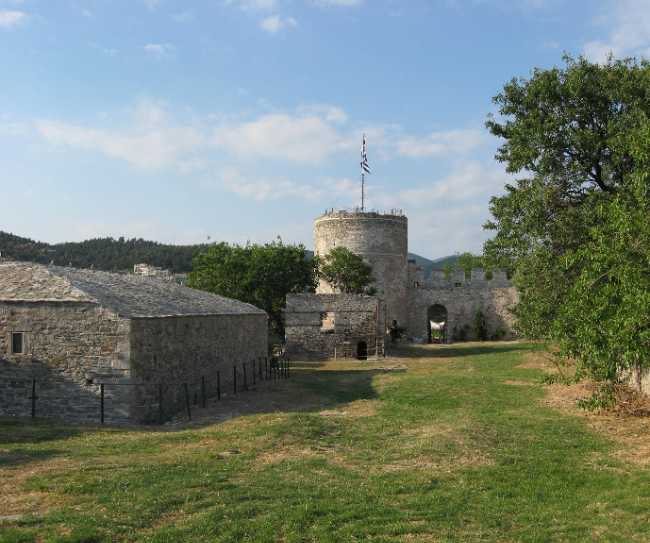
The Kavala Fortress dominates the skyline of Kavala, a historic coastal city in northern Greece. You can find this impressive medieval landmark at Isidorou 28, Kavala 652 01, Greece. Standing at the highest point of the Panagia peninsula, the 15th-century castle offers breathtaking 360-degree views over the port, the city, and the Aegean Sea. The fortress puts you in the middle of the old town's most famous historic sites. Just steps down the cobblestone lanes of Panagia sits the Halil Bey Mosque, built over an early Christian church, alongside the Mehmet Ali Pasha House Museum, a fine example of 18th-century Ottoman residential architecture. A short walk further along the ridge brings you to the Imaret, an expansive Ottoman-era complex known for its domes and vaults overlooking the sea. As you head down from the hill toward the modern town, you pass right under the soaring arches of the Kamares Aqueduct. At the base of the peninsula near the waterfront, you can visit the Archaeological Museum of Kavala to browse ancient regional artifacts, or head slightly inland to explore the Kavala Municipality Tobacco Museum, which chronicles the city's commercial tobacco legacy.
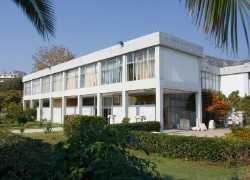 Museum
Kavala Municipality Tobacco Museum
Museum
Kavala Municipality Tobacco Museum
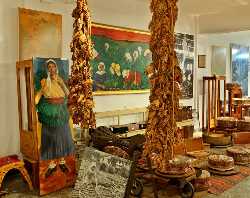 Museum
Maritime Museum of Kavala
Museum
Maritime Museum of Kavala
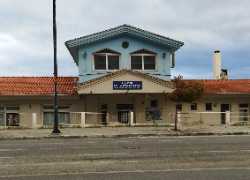 Museum
 of Greek Refugees
Museum
Museum of Greek Refugees
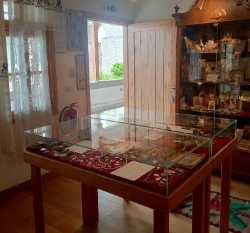 Museum
Mehmet Ali Pasha House Museum
Museum
Mehmet Ali Pasha House Museum
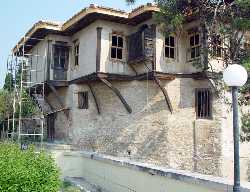 Museum
Church of Saint Nicholas Kavala
Museum
Church of Saint Nicholas Kavala
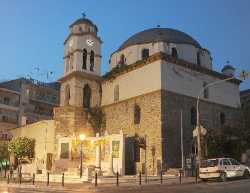 Church
 of Saint Athanasios
Church
Church of Saint Athanasios
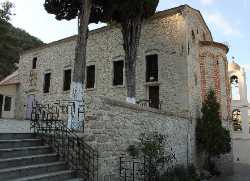 Church
Aqueduct of Kavala
Church
Aqueduct of Kavala
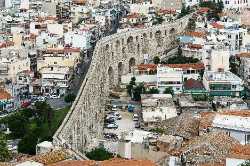 Historical Landmark
Kavala Lighthouse
Historical Landmark
Kavala Lighthouse
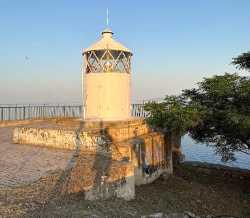 Lighthouse
Halil Bey Mosque
Lighthouse
Halil Bey Mosque
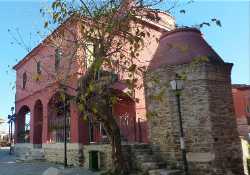 Historical Landmark
Via Egnatia
Historical Landmark
Via Egnatia
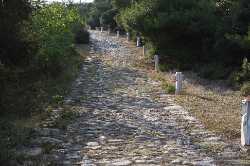 Historical Landmark