Aqueduct of Kavala
The Aqueduct of Kavala, known locally as Kamares, is one of the city’s most iconic landmarks, stretching across the lower slopes of the Panagia district with its elegant rhythm of arches. Although often attributed to Roman engineering, the structure in its present form was built in the early 16th century under Sultan Suleiman the Magnificent, who modernized Kavala’s water supply by channeling fresh water from the hills into the fortified old town. Its 60 arches, rising up to 25 meters, create a dramatic silhouette that has become inseparable from Kavala’s identity. Walking beneath the aqueduct offers a close look at its construction: massive stone blocks, carefully aligned arches, and subtle Ottoman design elements that reveal both practicality and aesthetic ambition. The aqueduct once fed fountains, cisterns, and public baths, supporting daily life in a bustling port city. While there is no “inside” to explore in the traditional sense, the surrounding neighborhood provides a rich experience. Narrow streets lined with old houses lead you to viewpoints where the arches frame the sea and the Panagia peninsula. Informational plaques explain the water system and its role in urban development.
Kavala Greece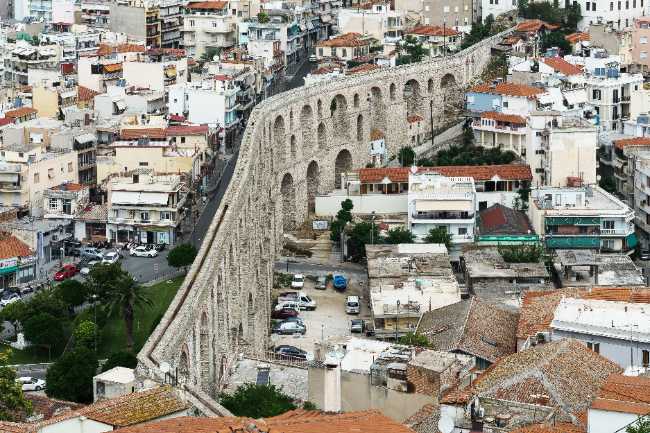
The Aqueduct of Kavala, locally known as Kamares, stands as one of the most famous landmarks in the coastal city of Kavala, northern Greece. You can find this towering 16th-century Ottoman structure near Nikotsara Square at Kamares, Kavala 651 10, Greece. Spanning roughly 270 meters with its soaring stone arches, it marks the historic entry point connecting the modern downtown district to the old town peninsula. Because of its central location at the foot of the Panagia hill, the aqueduct sits right in the middle of the city's key tourist attractions. Standing virtually right beside the structure is the Church of Saint Nicholas with its striking mosaic artwork. Walking just behind the aqueduct and following the cobblestone alleys uphill leads you into the historic Panagia district, where you can explore the Halil Bey Mosque, the grand Imaret complex, and the Mehmet Ali Pasha House Museum. At the very peak of the hill sits the medieval Castle of Kavala, offering sweeping views over the aqueduct, the harbor, and the Aegean Sea.Heading west from the aqueduct toward the waterfront, you can take a short walk to reach the Archaeological Museum of Kavala to see ancient regional artifacts. Nearby in the central shopping district, you can also visit the Kavala Municipality Tobacco Museum to learn about the city's legendary history as a major European trade center.
 Museum
Kavala Municipality Tobacco Museum
Museum
Kavala Municipality Tobacco Museum
 Museum
Maritime Museum of Kavala
Museum
Maritime Museum of Kavala
 Museum
 of Greek Refugees
Museum
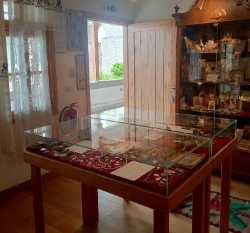
Museum of Greek Refugees
 Museum
Mehmet Ali Pasha House Museum
Museum
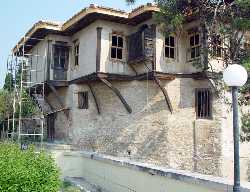
Mehmet Ali Pasha House Museum
 Museum
Kavala Fortress
Museum
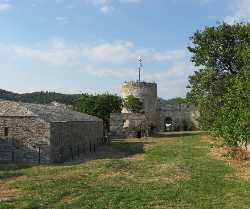
Kavala Fortress
 Fortress
Church of Saint Nicholas Kavala
Fortress
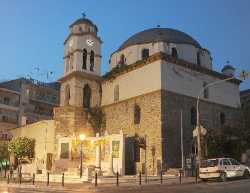
Church of Saint Nicholas Kavala
 Church
 of Saint Athanasios
Church
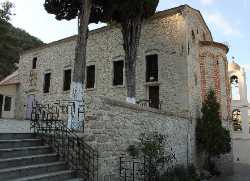
Church of Saint Athanasios
 Church
Kavala Lighthouse
Church
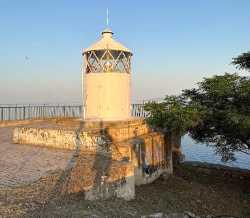
Kavala Lighthouse
 Lighthouse
Halil Bey Mosque
Lighthouse
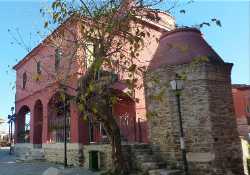
Halil Bey Mosque
 Historical Landmark
Via Egnatia
Historical Landmark
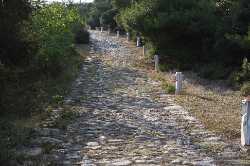
Via Egnatia
 Historical Landmark