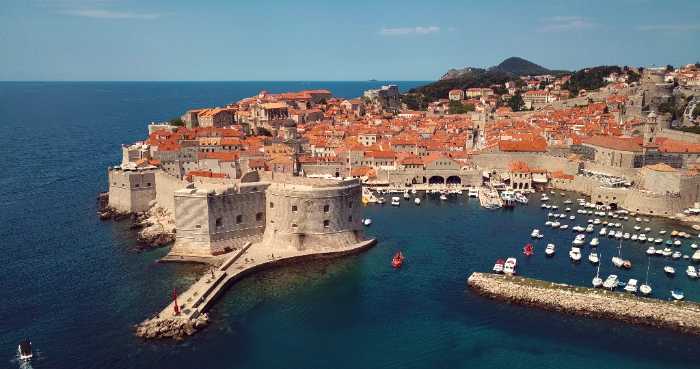
Dubrovnik
Dubrovnik is one of Croatia's most celebrated historic cities and a jewel of the Adriatic coast. Known as the "Pearl of the Adriatic," the city is famous for its magnificent medieval walls, rich maritime history, and remarkably preserved old town. Situated in southern Dalmatia, Dubrovnik has long been an important center of trade, diplomacy, and culture. Its historic core is recognized as a UNESCO World Heritage Site and attracts visitors from across the globe. The city's most iconic landmark is the impressive network of Dubrovnik City Walls, which encircle the old town and offer spectacular views of the Adriatic Sea and terracotta rooftops. Built and expanded between the 12th and 17th centuries, the walls helped protect the independent Republic of Ragusa, which flourished as a powerful maritime state. Among Dubrovnik's most significant architectural treasures is the Rector's Palace, a magnificent Gothic-Renaissance palace that once served as the seat of government for the Republic of Ragusa. Today, the palace is one of the city's most important historic monuments. Another notable religious landmark is the Cathedral of the Assumption of the Virgin Mary, an impressive Baroque cathedral built on the site of earlier churches and home to a valuable treasury of religious art. Dubrovnik offers several outstanding museums that showcase its rich heritage. The Cultural History Museum, housed within the Rector's Palace, presents artifacts connected to the city's political and social history. The Maritime Museum, located in Fort St. John, explores Dubrovnik's centuries-long relationship with seafaring and trade. Visitors can also explore the Dubrovnik Natural History Museum, which features collections related to the natural environment of the region. Another important institution is the Ethnographic Museum Rupe, dedicated to traditional life, customs, and crafts of the Dubrovnik area. Historic landmarks can be found throughout the old town. The Stradun, Dubrovnik's main street, forms the heart of the city and is lined with elegant stone buildings. The Onofrio Fountain, built in the 15th century, once supplied fresh water to the city and remains one of Dubrovnik's most recognizable monuments. Nearby, the Orlando Column symbolizes the city's historic freedom and independence. The fortified structures of Fort Lovrijenac and Fort Bokar further illustrate Dubrovnik's defensive strength. Perched on dramatic cliffs above the sea, these fortresses played a vital role in protecting the city from attack and today provide stunning viewpoints over the coastline. Modern Dubrovnik successfully combines its extraordinary historical legacy with a vibrant cultural atmosphere. Its museums, cathedral, palace, ancient fortifications, and world-famous landmarks make it one of Europe's most remarkable destinations. Walking through its stone streets offers visitors a unique opportunity to experience centuries of history in one of the Mediterranean's most beautiful cities.
What to see in Dubrovnik
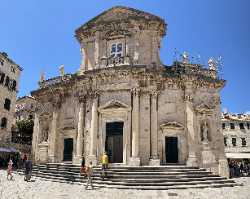 Cathedral
Church of St. Blaise
Cathedral
Church of St. Blaise
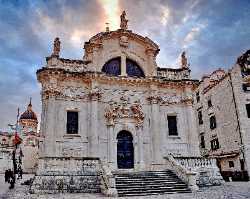 Church
Fort St. John
Church
Fort St. John
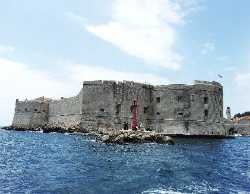 Fortress
Revelin Fortress
Fortress
Revelin Fortress
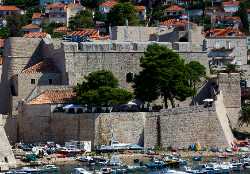 Fortress
Bokar Fortress
Fortress
Bokar Fortress
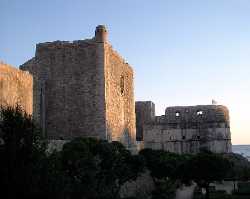 Fortress
Minčeta Fortress
Fortress
Minčeta Fortress
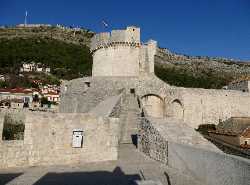 Fortress
Lovrijenac Fortress
Fortress
Lovrijenac Fortress
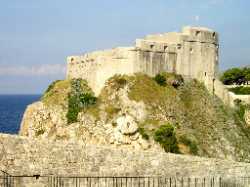 Fortress
Franciscan Church and Monastery
Fortress
Franciscan Church and Monastery
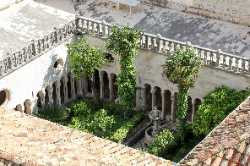 Monastery
WAR PHOTO LIMITED
Monastery
WAR PHOTO LIMITED
 Museum
Rector's Palace
Museum
Rector's Palace
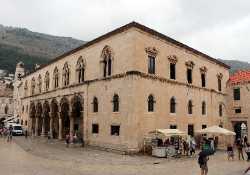 Museum
Red History Museum
Museum
Red History Museum
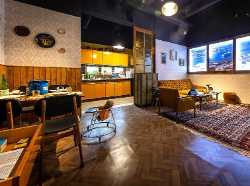 Museum
Dulčić Masle Pulitika Gallery
Museum
Dulčić Masle Pulitika Gallery
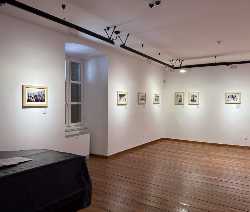 Museum
 of Modern Art Dubrovnik
Museum
Museum of Modern Art Dubrovnik
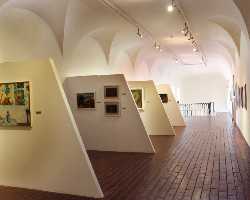 Museum
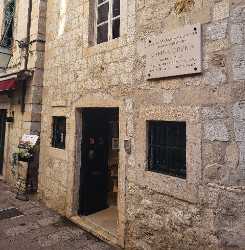
House of Marin Držić
Museum
House of Marin Držić
 Museum
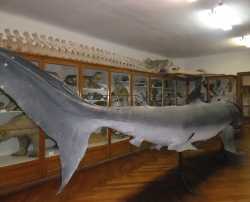
Dubrovnik Natural History Museum
Museum
Dubrovnik Natural History Museum
 Museum
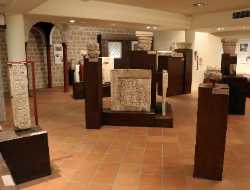
Archaeological Museum Dubrovnik
Museum
Archaeological Museum Dubrovnik
 Museum
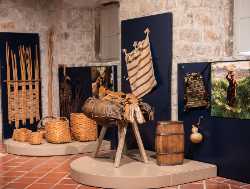
Ethnographic Museum Rupe
Museum
Ethnographic Museum Rupe
 Museum
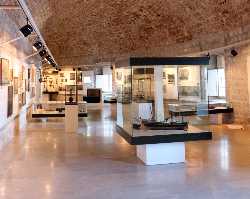
Maritime Museum Dubrovnik
Museum
Maritime Museum Dubrovnik
 Museum
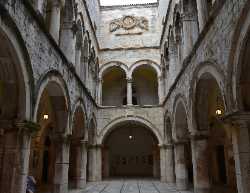
Sponza Palace
Museum
Sponza Palace
 Palace
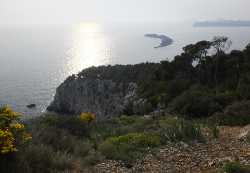
Velika and Mala Petka Forest Park
Palace
Velika and Mala Petka Forest Park
 Park
Marin Držić Theatre
Park
Marin Držić Theatre
 Theatre