Lovrijenac Fortress
Lovrijenac Fortress, rising 37 meters above the Adriatic on a sheer cliff, is Dubrovnik’s most dramatic stronghold. Known as the “Gibraltar of Dubrovnik,” it was built in the early 11th century to prevent Venetian forces from occupying the strategic promontory. Legend says the Venetians planned to construct their own fort here, but the people of Dubrovnik built Lovrijenac in just three months, thwarting the attempt. The fortress is famous for its inscription Non Bene Pro Toto Libertas Venditur Auro — “Freedom is not sold for all the gold in the world.” Carved above the main gate, it reflects the fierce independence of the Republic of Ragusa. Inside, visitors find a compact but atmospheric interior: thick stone corridors, vaulted rooms once used for storing weapons, and terraces offering commanding views over the Old Town and the sea. The upper courtyard is the highlight. It serves as a stage for Dubrovnik’s renowned Summer Festival, especially Shakespeare’s Hamlet, whose performances have become a tradition in this fortress. You can also explore the gunpowder room, the triangular battlements, and the vantage points that reveal how cleverly the fort was designed — its walls facing the city are intentionally thin, ensuring the fortress could never be used against Dubrovnik itself.
Dubrovnik Croatia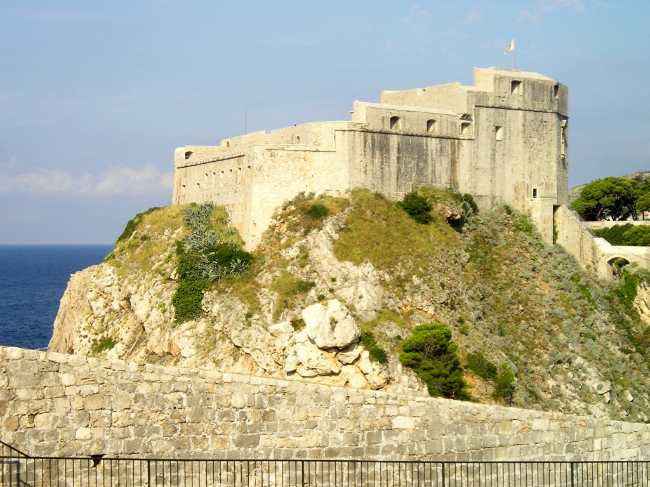
Lovrijenac Fortress, also known as St. Lawrence Fortress and often called "Dubrovnik's Gibraltar", is one of the most dramatic and historically significant landmarks in Dubrovnik. It stands on a sheer 37-metre limestone cliff just outside the western walls of the Old Town, overlooking the Adriatic Sea and the small Kolorina Bay. The fortress is reached by a short coastal path and a steep climb of about 200 stone steps from the Pile Gate area, on the western edge of the city. According to legend, the people of Dubrovnik built the fort in the early 11th century in just three months, racing to complete it before the Venetians could construct their own stronghold on the same rock and so dominate the city. The first written records of the fortress date to 1301. The fortress is surrounded by other must-see sights. Just a short walk away is Pile Gate, the main western entrance to the Old Town, and the nearby Bokar Fortress, which guards the city walls. A few steps inside the walls lie the Franciscan Monastery with its historic pharmacy, the Stradun main street, and the Large Onofrio's Fountain. The City Walls walk, one of Dubrovnik's top experiences, begins close by, and the beaches and cafés of Kolorina Bay offer a pleasant place to relax after the climb.
 Museum
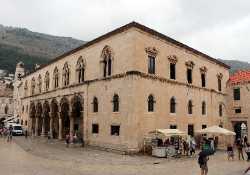
Maritime Museum Dubrovnik
Museum
Maritime Museum Dubrovnik
 Museum
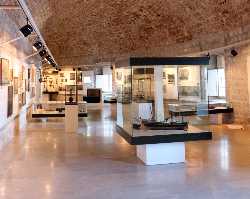
Ethnographic Museum Rupe
Museum
Ethnographic Museum Rupe
 Museum
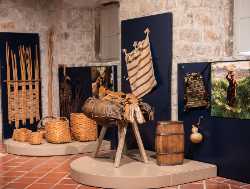
Archaeological Museum Dubrovnik
Museum
Archaeological Museum Dubrovnik
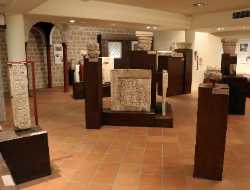 Museum
Dubrovnik Natural History Museum
Museum
Dubrovnik Natural History Museum
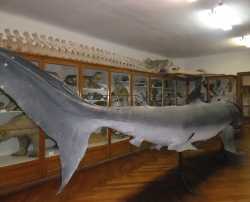 Museum
House of Marin Držić
Museum
House of Marin Držić
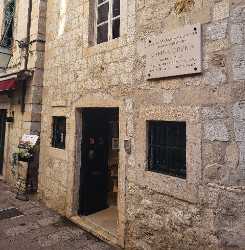 Museum
 of Modern Art Dubrovnik
Museum
Museum of Modern Art Dubrovnik
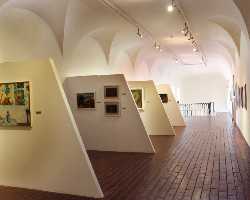 Museum
Dulčić Masle Pulitika Gallery
Museum
Dulčić Masle Pulitika Gallery
 Museum
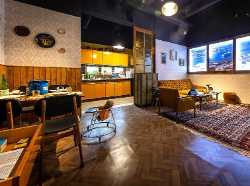
Red History Museum
Museum
Red History Museum
 Museum
WAR PHOTO LIMITED
Museum
WAR PHOTO LIMITED
 Museum
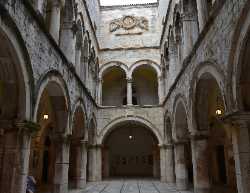
Sponza Palace
Museum
Sponza Palace
 Palace
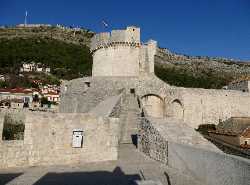
Minčeta Fortress
Palace
Minčeta Fortress
 Fortress
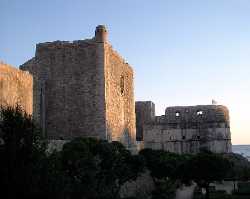
Bokar Fortress
Fortress
Bokar Fortress
 Fortress
Revelin Fortress
Fortress
Revelin Fortress
 Fortress
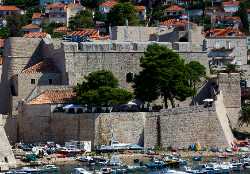
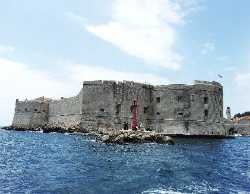
Fort St. John
Fortress
Fort St. John
 Fortress
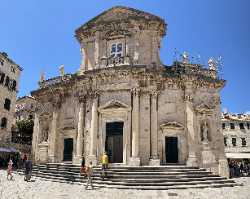
Dubrovnik Cathedral
Fortress
Dubrovnik Cathedral
 Cathedral
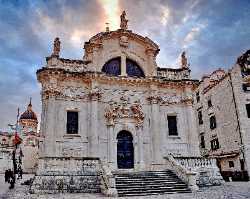
Church of St. Blaise
Cathedral
Church of St. Blaise
 Church
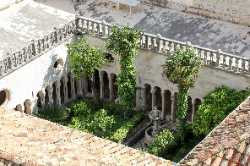
Franciscan Church and Monastery
Church
Franciscan Church and Monastery
 Monastery
Marin Držić Theatre
Monastery
Marin Držić Theatre
 Theatre
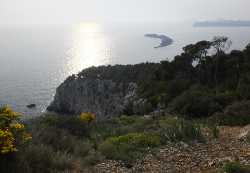
Velika and Mala Petka Forest Park
Theatre
Velika and Mala Petka Forest Park
 Park
Park