Minčeta Fortress
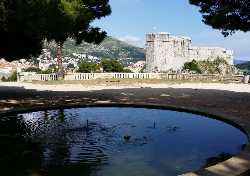
Minčeta Fortress crowns Dubrovnik’s walls as their highest and most commanding point, a symbol of the city’s determination to remain unconquered. Its name comes from the Menčetić family, who owned the land before the tower was built in the early 14th century. The fortress gained its iconic round shape in the 1460s, when architect Juraj Dalmatinac reinforced it to withstand the rising threat of Ottoman expansion. Its massive stone walls and perfectly curved silhouette make it one of the finest examples of late‑medieval fortification on the Adriatic. Inside, visitors follow a spiral path through thick corridors that once housed soldiers and stored gunpowder. The ascent leads to the rooftop platform, the true highlight of Minčeta. From here, you get the most complete panorama of Dubrovnik: terracotta roofs, the maze of medieval streets, the sea stretching toward Lokrum, and the full sweep of the city walls. It’s also a place where you can see how cleverly the fortress integrates with the rest of the defensive system, locking the landward side of the city behind an impenetrable barrier. Minčeta’s interior is simple, but its atmosphere is powerful. Every stone reflects centuries of vigilance, and standing atop the tower offers a rare sense of Dubrovnik as a living fortress rather than just a postcard.
Dubrovnik Croatia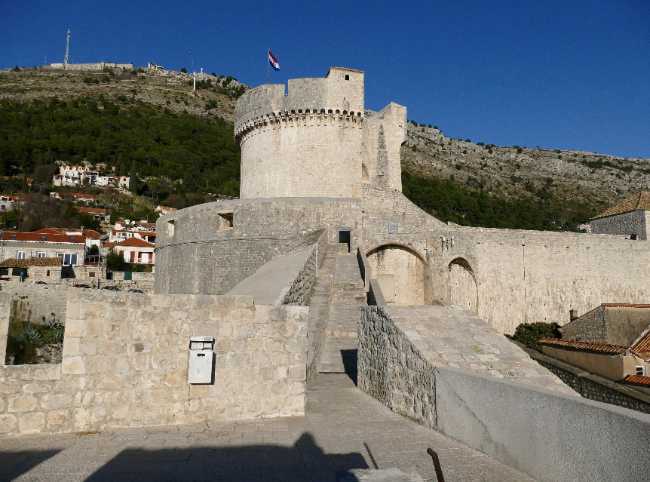
Minčeta Fortress, often called Minčeta Tower, is the highest and most prominent point of Dubrovnik's famous defensive walls. It stands at the northwestern corner of the Old Town, overlooking the landward approach to the city. The tower is reached on foot as part of the circular walk along the city walls, most commonly starting from the entrance near Pile Gate. Visitors climb a series of steep, narrow stone steps to reach the top terrace, which offers some of the finest panoramic views in Dubrovnik, sweeping over the terracotta rooftops of the Old Town, the Adriatic Sea, and the island of Lokrum. Because Minčeta sits at the heart of the Old Town's defensive ring, it is surrounded by many other attractions. Fort Bokar, the westernmost tower protecting Pile Gate, lies nearby along the walls, while Lovrijenac Fortress stands just outside them to the west. Inside the walls, a short descent leads to the Franciscan Monastery with its historic pharmacy, the Large Onofrio's Fountain, and the beginning of the Stradun, Dubrovnik's main street. Walking the walls further east brings you to Revelin Fortress and the Ploče Gate, while the Old Port, St. John's Fortress, and the Maritime Museum await near the harbour.
 Museum
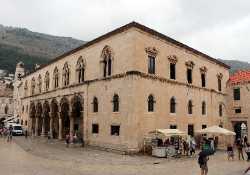
Maritime Museum Dubrovnik
Museum
Maritime Museum Dubrovnik
 Museum
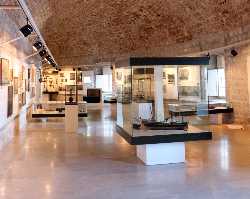
Ethnographic Museum Rupe
Museum
Ethnographic Museum Rupe
 Museum
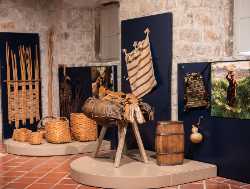
Archaeological Museum Dubrovnik
Museum
Archaeological Museum Dubrovnik
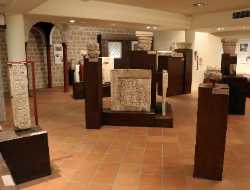 Museum
Dubrovnik Natural History Museum
Museum
Dubrovnik Natural History Museum
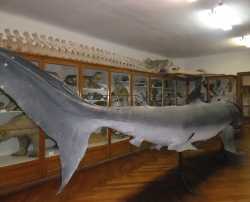 Museum
House of Marin Držić
Museum
House of Marin Držić
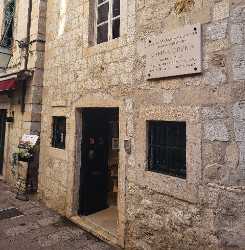 Museum
 of Modern Art Dubrovnik
Museum
Museum of Modern Art Dubrovnik
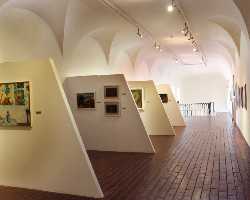 Museum
Dulčić Masle Pulitika Gallery
Museum
Dulčić Masle Pulitika Gallery
 Museum
Red History Museum
Museum
Red History Museum
 Museum
WAR PHOTO LIMITED
Museum
WAR PHOTO LIMITED
 Museum
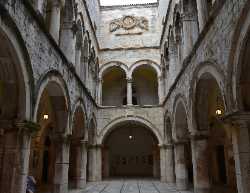
Sponza Palace
Museum
Sponza Palace
 Palace
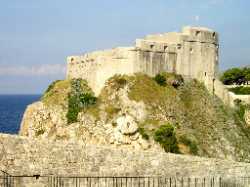
Lovrijenac Fortress
Palace
Lovrijenac Fortress
 Fortress
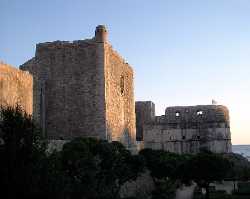
Bokar Fortress
Fortress
Bokar Fortress
 Fortress
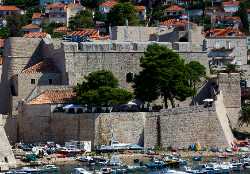
Revelin Fortress
Fortress
Revelin Fortress
 Fortress
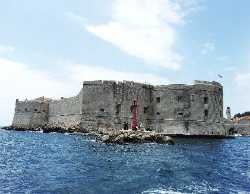
Fort St. John
Fortress
Fort St. John
 Fortress
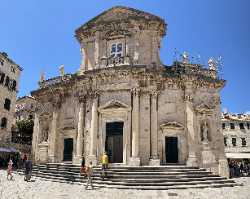
Dubrovnik Cathedral
Fortress
Dubrovnik Cathedral
 Cathedral
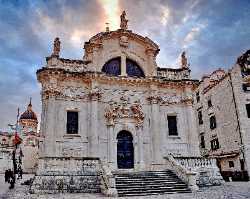
Church of St. Blaise
Cathedral
Church of St. Blaise
 Church
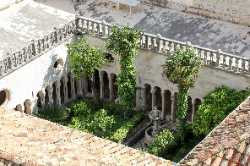
Franciscan Church and Monastery
Church
Franciscan Church and Monastery
 Monastery
Marin Držić Theatre
Monastery
Marin Držić Theatre
 Theatre
Velika and Mala Petka Forest Park
Theatre
Velika and Mala Petka Forest Park
 Park
Park