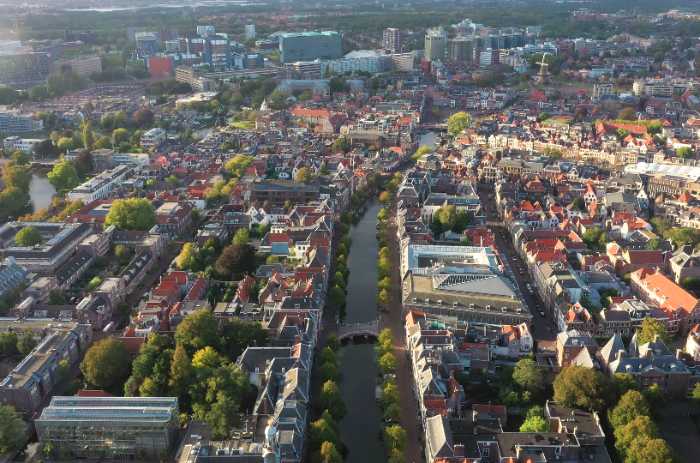
Leiden
Leiden, often referred to as the "City of Discoveries," is a masterclass in Dutch charm, where 17th-century canals meet a thousand years of academic and scientific brilliance. While it may lack the frantic pace of Amsterdam, it possesses a quiet, intellectual soul that has shaped the modern world. The city’s story is defined by its resilience, most notably during the Siege of Leiden in 1574. After months of starvation under Spanish forces, the city was liberated when William of Orange ordered the dikes to be cut, allowing the Dutch fleet to sail across flooded fields to bring herring and white bread to the survivors. In recognition of their bravery, William offered the citizens a choice: perpetual tax relief or a university. They chose the university, founding the oldest institution of higher learning in the Netherlands in 1575. This decision transformed Leiden into a global lighthouse of knowledge. The university became a magnet for the world's greatest minds, from René Descartes to Albert Einstein, who was a frequent guest professor here. It was within the walls of the Hortus Botanicus, the oldest botanical garden in the country, that the very first tulips in the Netherlands were planted in 1593, sparking a national obsession that continues to this day. The city’s intellectual heritage is mirrored in its world-class museums, such as the Rijksmuseum van Oudheden, which houses a complete Egyptian temple, and Naturalis, one of the world's leading centers for biodiversity. Beyond the lecture halls, Leiden is the birthplace of the legendary master Rembrandt van Rijn. Born here in 1606, Rembrandt spent his formative years wandering these cobblestone streets and drawing inspiration from the local light before moving to Amsterdam. Another pivotal chapter in global history unfolded here when a group of English Separatists, known today as the Pilgrims, sought refuge in Leiden for over a decade. They lived and worked near the Pieterskerk before eventually setting sail for the New World on the Mayflower, making Leiden a significant ancestral site for millions. Today, walking through Leiden feels like navigating a living museum. Its center boasts the second-largest 17th-century urban core in the country. You can climb the Burcht van Leiden, an 11th-century circular fortress atop a hill, to see the red-tiled roofs and the towering spire of the Hooglandse Kerk. With its 28 kilometers of canals and dozens of hidden "hofjes" (almshouses), Leiden remains a serene sanctuary of history and innovation, proving that it is indeed a city where discoveries never end.
What to see in Leiden
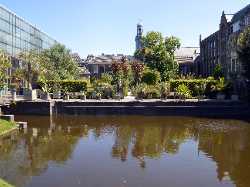 Botanical Garden
Koornbrug
Botanical Garden
Koornbrug
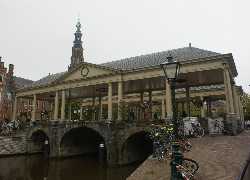 Bridge
Oud Poelgeest Castle
Bridge
Oud Poelgeest Castle
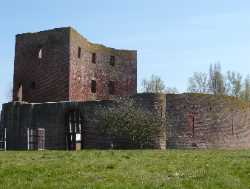 Castle
St. Joseph Church
Castle
St. Joseph Church
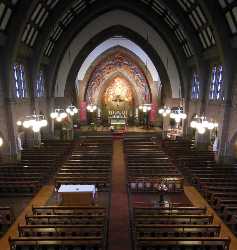 Church
Heilige Lodewijkkerk
Church
Heilige Lodewijkkerk
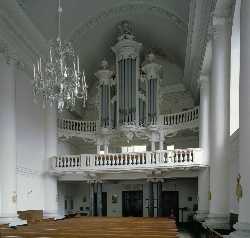 Church
Hartebrugkerk
Church
Hartebrugkerk
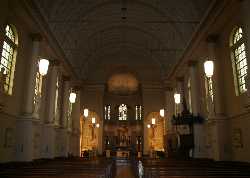 Church
Marekerk
Church
Marekerk
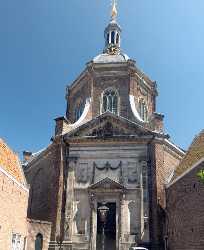 Church
Hooglandse Kerk
Church
Hooglandse Kerk
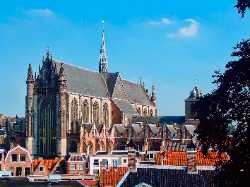 Church
Pieterskerk Leiden
Church
Pieterskerk Leiden
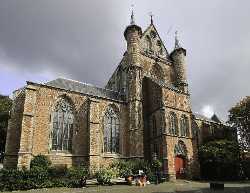 Church
Leiden City Hall
Church
Leiden City Hall
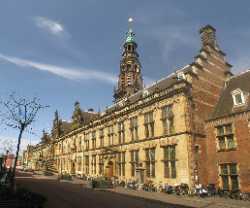 City Hall
Burcht van Leiden
City Hall
Burcht van Leiden
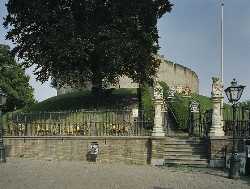 Fortress
Zijlpoort
Fortress
Zijlpoort
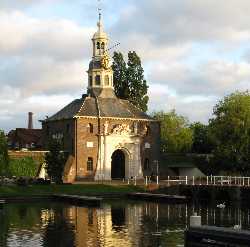 Historical Landmark
Morspoort
Historical Landmark
Morspoort
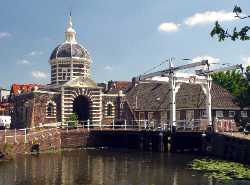 Historical Landmark
Rembrandtplaats
Historical Landmark
Rembrandtplaats
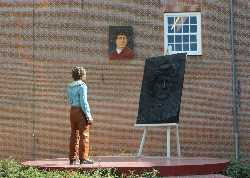 Monument
Old Observatory Leiden
Monument
Old Observatory Leiden
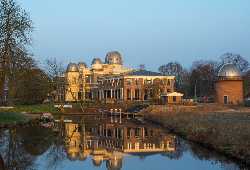 Museum
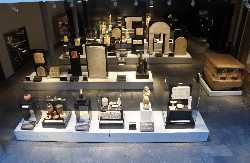
Rijksmuseum van Oudheden
Museum
Rijksmuseum van Oudheden
 Museum
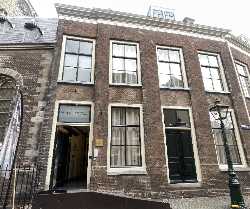
Leiden American Pilgrim Museum
Museum
Leiden American Pilgrim Museum
 Museum
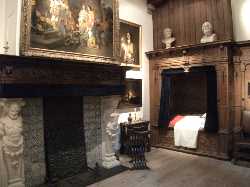
Young Rembrandt Studio
Museum
Young Rembrandt Studio
 Museum
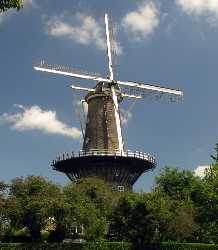
Molenmuseum De Valk
Museum
Molenmuseum De Valk
 Museum
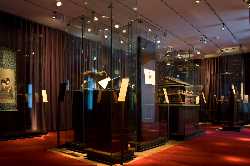
Japanmuseum SieboldHuis
Museum
Japanmuseum SieboldHuis
 Museum
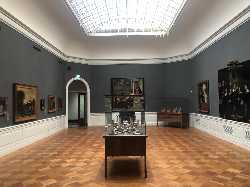
 De Lakenhal
Museum
Museum De Lakenhal
 Museum
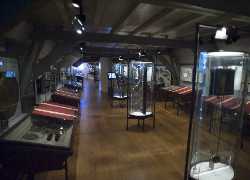
Rijksmuseum Boerhaave
Museum
Rijksmuseum Boerhaave
 Museum
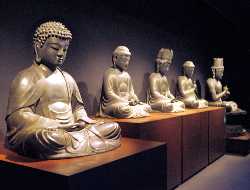
Wereldmuseum Leiden
Museum
Wereldmuseum Leiden
 Museum
Naturalis Biodiversity Center
Museum
Naturalis Biodiversity Center
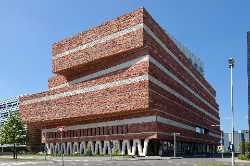 Museum
Van der Werfpark
Museum
Van der Werfpark
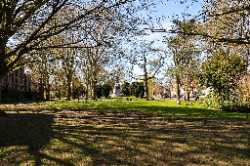 Park
Plantsoen
Park
Plantsoen
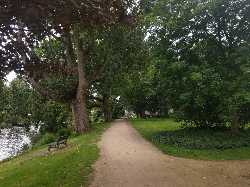 Park
Polderpark Cronesteyn
Park
Polderpark Cronesteyn
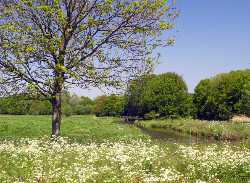 Park
Scheltema Leiden
Park
Scheltema Leiden
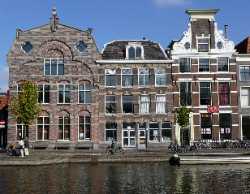 Theatre
Theater Ins Blau
Theatre
Theater Ins Blau
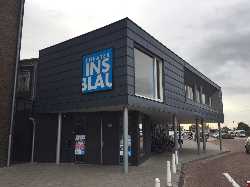 Theatre
Stadsgehoorzaal Leiden
Theatre
Stadsgehoorzaal Leiden
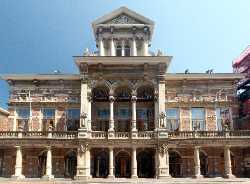 Theatre
Leidse Schouwburg
Theatre
Leidse Schouwburg
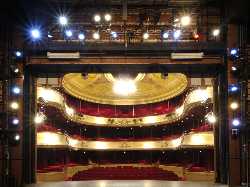 Theatre