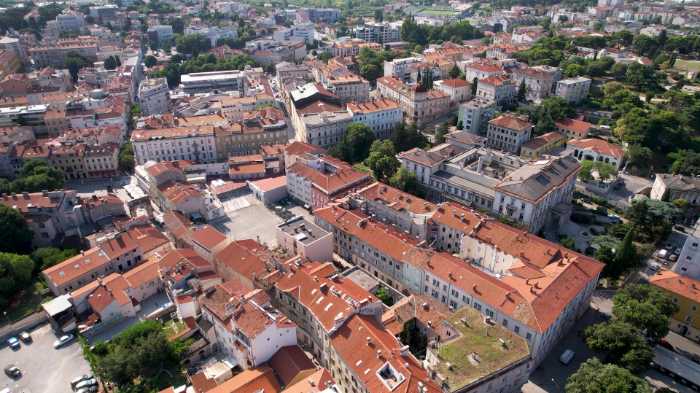
Pula
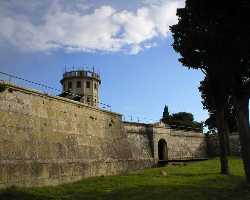
Pula is the largest city in the Croatian region of Istria and one of the most historically significant destinations on the Adriatic coast. Situated at the southern tip of the Istrian Peninsula, the city is renowned for its remarkably preserved Roman monuments, rich maritime heritage, and vibrant cultural atmosphere. With a history spanning more than three thousand years, Pula offers visitors an exceptional journey through the civilizations that have shaped the region. The city's most famous landmark is the Pula Arena, one of the best-preserved Roman amphitheaters in the world. Built during the 1st century AD, the arena once hosted gladiatorial contests and could accommodate thousands of spectators. Today, it serves as a venue for concerts, film festivals, and cultural events, making it both a historic monument and a living part of the city. Pula is home to several important museums. The Archaeological Museum of Istria houses extensive collections from prehistoric, Roman, and medieval periods, providing insight into the region's long history. The Historical and Maritime Museum of Istria, located within the city's historic fortress, presents exhibitions on local history, naval traditions, and cultural development. Another notable institution is the Museum of Contemporary Art of Istria, which showcases modern and contemporary works by Croatian and international artists. One of the city's most significant fortified landmarks is the Pula Castle, often known as the Venetian Fortress. Built by the Venetians in the 17th century on a hill overlooking the city, the fortress offers panoramic views of Pula, its harbor, and the surrounding coastline. Today it houses the Historical and Maritime Museum of Istria and remains one of the city's most visited attractions. Among Pula's religious monuments, the Cathedral of the Assumption of the Blessed Virgin Mary stands out as the city's principal cathedral. Located near the waterfront, the cathedral reflects centuries of architectural development and incorporates elements from the Roman, Byzantine, and medieval periods. Historic landmarks are found throughout the city. The Temple of Augustus, dedicated to the first Roman emperor, is one of the finest surviving Roman temples outside Italy. The Arch of the Sergii, a triumphal arch dating from the 1st century BC, remains one of Pula's most recognizable monuments. Visitors can also explore the Roman Forum, which served as the political and social center of ancient Pula. Another notable landmark is the Twin Gates, part of the ancient Roman city walls, while the underground Zerostrasse tunnels reveal a fascinating aspect of the city's military history during the Austro-Hungarian era. Today, Pula successfully combines its ancient heritage with modern Mediterranean charm. Its museums, cathedral, castle, Roman monuments, and historic landmarks make it one of Croatia's most rewarding cultural destinations and a remarkable place to explore the history of the Adriatic region.
What to see in Pula
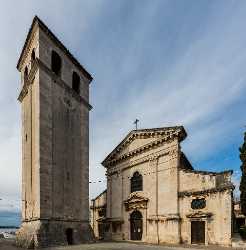 Cathedral
Church of St. Francis Pula
Cathedral
Church of St. Francis Pula
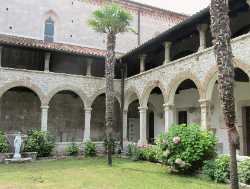 Church
Pula Citadel
Church
Pula Citadel
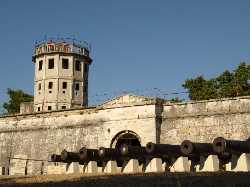 Fortress
Fort Valmaggiore
Fortress
Fort Valmaggiore
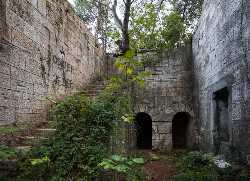 Fortress
Fort Bourguignon
Fortress
Fort Bourguignon
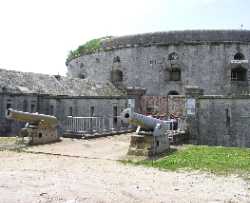 Fortress
Fort Punta Christo
Fortress
Fort Punta Christo
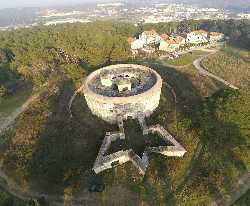 Fortress
Temple of Augustus Collection
Fortress
Temple of Augustus Collection
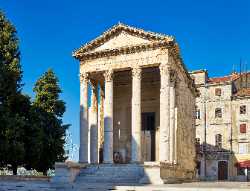 Historical Landmark
Historical and Maritime Museum of Istria
Historical Landmark
Historical and Maritime Museum of Istria
 Museum
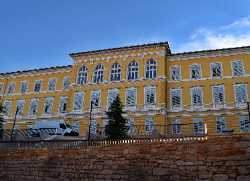
Archaeological Museum of Istria
Museum
Archaeological Museum of Istria
 Museum
 of Contemporary Art of Istria
Museum
Museum of Contemporary Art of Istria
 Museum
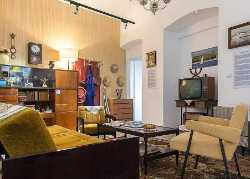
Istria Wine Museum
Museum
Istria Wine Museum
 Museum
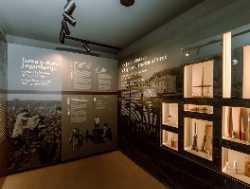
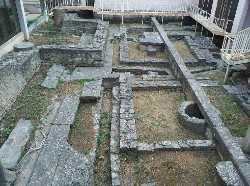
Agrippina's House
Museum
Agrippina's House
 Museum
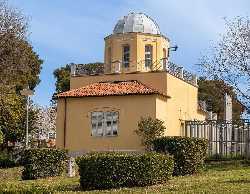
Naval Observatory
Museum
Naval Observatory
 Observatory
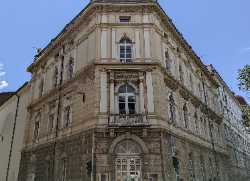
Istrian National Theatre
Observatory
Istrian National Theatre
 Theatre