Fort Valmaggiore
Hidden among the wooded hills east of Pula, Fort Valmaggiore is one of the lesser‑known Austro‑Hungarian fortifications, built in the late 19th century as part of the city’s extensive defensive ring. Its remote position made it ideal for monitoring inland approaches, and its design reflects the era’s shift from stone bastions to earth‑covered, low‑profile forts meant to withstand modern artillery. Inside, visitors can explore long corridors, vaulted ammunition rooms, and partially preserved gun positions. The fort’s geometry is striking: thick concrete walls, narrow embrasures, and a network of underground passages that once connected storage areas with firing platforms. Although the fort is no longer fully equipped, the surviving structures clearly show how Pula was transformed into one of the empire’s most fortified naval bases. One of the most interesting features is the contrast between the rugged military architecture and the peaceful natural surroundings. The fort is enveloped by pine and oak forests, making the visit feel like a blend of history and nature. Occasional exhibitions or guided tours highlight the fort’s role in regional defence and the engineering innovations of the Austro‑Hungarian period.
Pula Croatia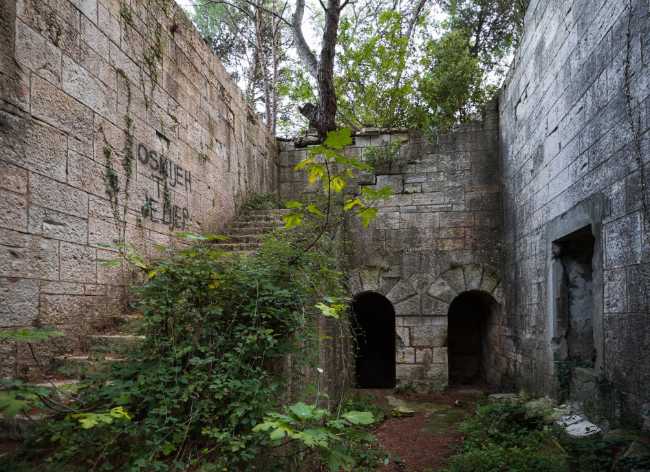
Fort Valmaggiore is a fascinating hidden gem for history buffs and urban explorers looking to venture off the beaten path in Pula, Croatia. Built in the late nineteenth century by the Austro-Hungarian Empire, this massive stone fortification was part of a sophisticated defense system designed to protect Pula's vital naval base. Tucked away under a thick canopy of pine trees and wild vegetation, the fort features impressive stone masonry, trenches, and old artillery positions. This historic fortress is located in the northern outskirts of Pula, specifically in the Štinjan neighborhood. Unlike the ancient ruins found in the city center, Fort Valmaggiore is situated in a quieter, more rustic coastal setting, making it perfect for an afternoon hike away from the main tourist crowds. Even though it sits outside the old town, there is plenty of adventure nearby. Just a short trip west brings you to the beautiful Štinjan beach, where you can swim in the crystal-clear waters of the Adriatic Sea or relax at a seaside beach bar. If you walk along the coastline, you will hit Fort Punta Christo, another massive Austro-Hungarian fortress that is famous for hosting vibrant summer music festivals and offering stunning views of Brijuni National Park across the water.
 Museum
Archaeological Museum of Istria
Museum
Archaeological Museum of Istria
 Museum
 of Contemporary Art of Istria
Museum
Museum of Contemporary Art of Istria
 Museum
Istria Wine Museum
Museum
Istria Wine Museum
 Museum
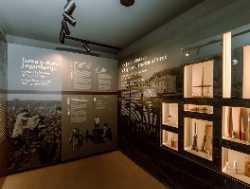
Agrippina's House
Museum
Agrippina's House
 Museum
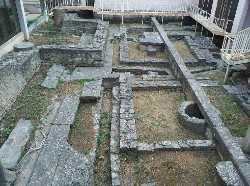
Temple of Augustus Collection
Museum
Temple of Augustus Collection
 Historical Landmark
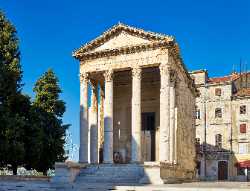
Pula Citadel
Historical Landmark
Pula Citadel
 Fortress
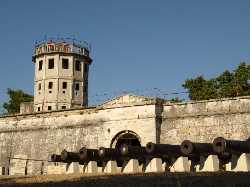
Fort Bourguignon
Fortress
Fort Bourguignon
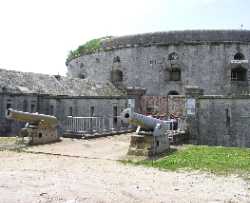 Fortress
Fort Punta Christo
Fortress
Fort Punta Christo
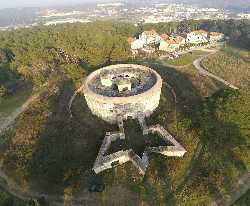 Fortress
Cathedral of the Assumption of the Blessed Virgin Mary Pula
Fortress
Cathedral of the Assumption of the Blessed Virgin Mary Pula
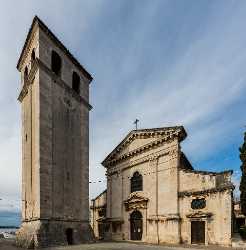 Cathedral
Church of St. Francis Pula
Cathedral
Church of St. Francis Pula
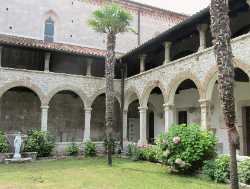 Church
Istrian National Theatre
Church
Istrian National Theatre
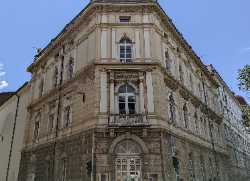 Theatre
Naval Observatory
Theatre
Naval Observatory
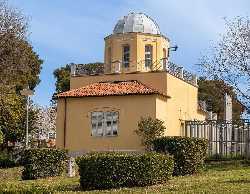 Observatory