Archäologisches Museum Innsbruck
The Archaeological Museum Innsbruck offers a compact yet fascinating window into the deep human history of the Alpine region. Managed by the University of Innsbruck, it brings together research, teaching, and public exhibition, making it one of the city’s most intellectually engaging cultural sites. Though not large, it is rich in rare finds that illuminate life in Tyrol from prehistory to late antiquity. Inside, the highlight is the collection of objects from the prehistoric settlement at Volders, including tools, pottery, and jewellery that trace daily life in the Bronze and Iron Ages. Equally striking are the Roman‑era artefacts from the province of Raetia: coins, ceramics, and finely crafted household items that reveal how Alpine communities interacted with the Roman world. The museum also displays funerary objects and grave goods that shed light on early burial customs. A particularly interesting section focuses on ancient cult practices, featuring votive offerings and ritual objects found in mountain sanctuaries. Detailed models and reconstructions help visitors visualise how early Alpine societies lived, traded, and worshipped.
Innsbruck Austria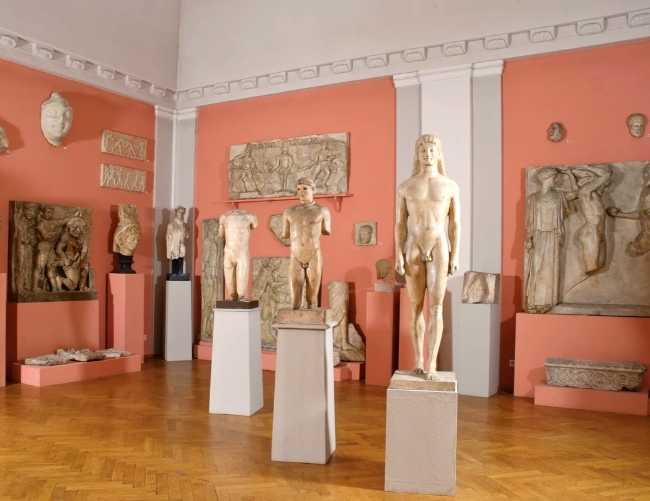
The Archäologisches Museum Innsbruck is part of the University of Innsbruck’s Institute for Archaeologies and is spread across two locations in the city centre. The main site for ancient Greek sculpture is in the University’s main building at Innrain 52 (3rd floor), while Roman finds, prehistoric objects, and artefacts from the Near East and Roman Tyrol are now at the new ATRIUM – Centre for Ancient Cultures at Langer Weg 11 (1st floor), both close to the university campus and the Innrain area. Near the Archäologisches Museum, you are in a cultural and academic part of Innsbruck, close to the Old Town and the University. The Hofkirche (Court Church), with its Gothic architecture and the famous bronze cenotaph of Emperor Maximilian I, is just a short walk away on Universitätsstraße, as is the Museum of Tyrolean Folk Art, located in the same street. The Imperial Palace (Hofburg) and the Imperial Garden (Hofgarten) are also nearby, offering baroque architecture and a peaceful park setting. From this area, you can easily reach the heart of the Old Town, where the Golden Roof, City Tower, Cathedral of St. James, and the Altes Landhaus are all within a few minutes’ walk. The Bergisel Hill, with its Olympic ski jump and the Tirol Panorama Museum, is a short tram or bus ride away, while the Alpine Zoo, Ambras Castle, and the Hungerburgbahn leading to the Nordkette mountains are popular excursions just outside the centre.
 Museum
Tyrolean Folk Art Museum
Museum
Tyrolean Folk Art Museum
 Museum
 im Zeughaus / Tiroler Landesmuseen
Museum
Museum im Zeughaus / Tiroler Landesmuseen
 Museum
Tirol Panorama and Kaiserjäger Museum
Museum
Tirol Panorama and Kaiserjäger Museum
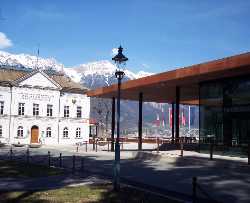 Museum
Tiroler MuseumsBahnen
Museum
Tiroler MuseumsBahnen
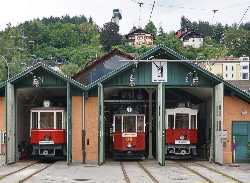 Museum
Stadtarchiv/Stadtmuseum
Museum
Stadtarchiv/Stadtmuseum
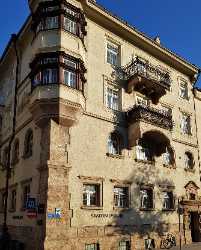 Museum
Radiomuseum
Museum
Radiomuseum
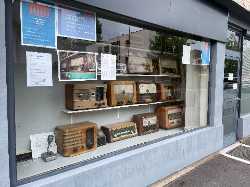 Museum
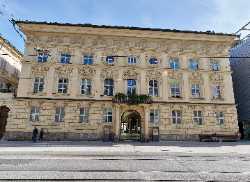
TAXISPALAIS Kunsthalle Tirol
Museum
TAXISPALAIS Kunsthalle Tirol
 Museum
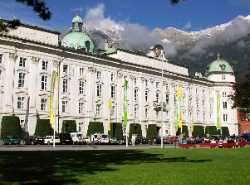
Hofburg Innsbruck
Museum
Hofburg Innsbruck
 Museum
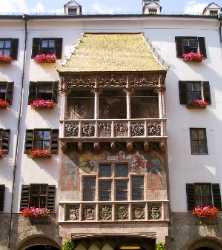
Golden Roof Museum
Museum
Golden Roof Museum
 Historical Landmark
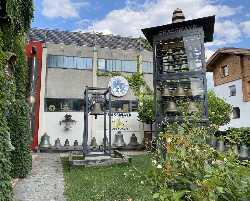
Glockengießerei Grassmayr - "Glockenmuseum"
Historical Landmark
Glockengießerei Grassmayr - "Glockenmuseum"
 Museum
Ambras Castle
Museum
Ambras Castle
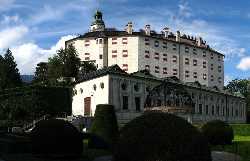 Castle
Cathedral of St. James
Castle
Cathedral of St. James
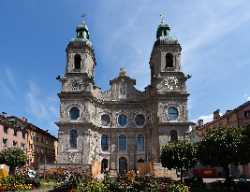 Church
Court Church
Church
Court Church
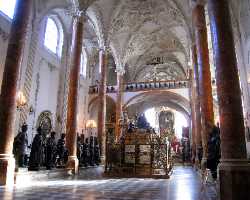 Church
Jesuit Church
Church
Jesuit Church
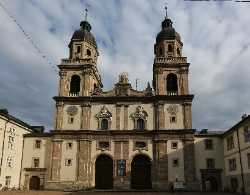 Church
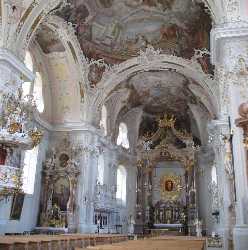
Wilten Basilica
Church
Wilten Basilica
 Basilica
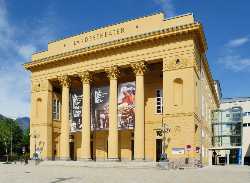
Tiroler Landestheater
Basilica
Tiroler Landestheater
 Theatre
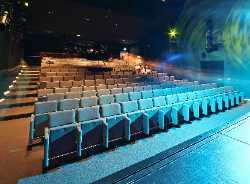
Kammerspiele Innsbruck
Theatre
Kammerspiele Innsbruck
 Theatre
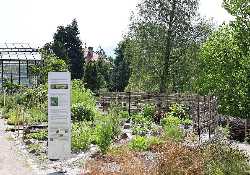
Innsbruck University Botanical Garden
Theatre
Innsbruck University Botanical Garden
 Botanical Garden
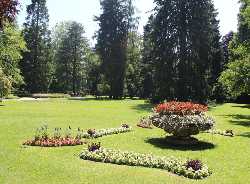
Hofgarten Innsbruck
Botanical Garden
Hofgarten Innsbruck
 Park
Park