Hofburg Innsbruck
The Hofburg Innsbruck is one of Austria’s most important imperial residences, shaped by centuries of Habsburg rule. Originally a medieval fortress, it was transformed in the 18th century under Empress Maria Theresa, who redesigned it into a refined Baroque palace. Later, Emperor Franz I and Empress Elisabeth (Sisi) added further touches, giving the Hofburg its distinctive blend of elegance and lived‑in imperial character. Inside, the Giants’ Hall is the undisputed highlight. Its soaring white‑and‑gold interior, frescoed ceiling, and monumental portraits of Maria Theresa’s children create a dazzling ceremonial space. The Imperial Apartments offer a more intimate look at court life: Sisi’s rooms are preserved with delicate pastel décor, while the Kaiser’s study and audience chamber reflect the sober style of 19th‑century governance. The chapel, with its restrained Baroque ornamentation, adds a spiritual dimension to the palace, and the exhibition areas present portraits, furniture, and personal objects that reveal the daily rhythms of imperial life. Particularly moving is the focus on the Tyrolean connections of the Habsburgs, showing how the region shaped—and was shaped by—the dynasty.
Innsbruck Austria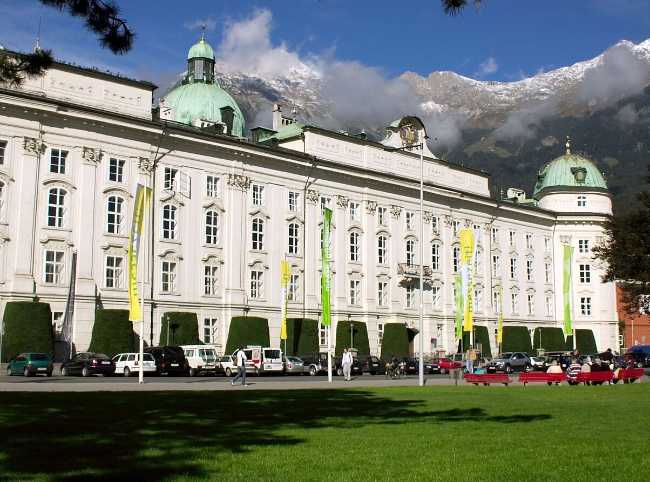
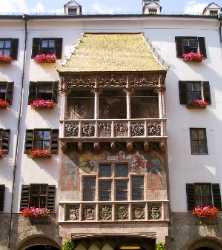
Hofburg Innsbruck is an imperial palace located in the very center of Innsbruck, Austria. You will find it in the Old Town, known as Altstadt, on Rennweg street and directly bordering the Hofgarten park. For centuries it was one of the three most important buildings of the Habsburg rulers, serving as the seat of Tyrolean sovereigns and later as a residence for Emperor Maximilian I and Empress Maria Theresa. The palace is now a museum and a major cultural site. Inside, visitors can explore the Imperial Apartments with their original 18th century furnishings, the Gothic Cellar that dates back to the medieval fortress, and the magnificent Giant’s Hall. The hall features white marble, chandeliers, and large portraits of Maria Theresa’s family, showing the baroque splendor of the Austrian Empire. Because of its central location, many of Innsbruck’s top attractions are within a short walk. Right next to the Hofburg is the Hofkirche, or Court Church, which houses the famous empty tomb of Emperor Maximilian I surrounded by 28 life sized bronze statues. A few steps away in Old Town is the Golden Roof, the city’s most famous landmark with 2,657 fire gilded copper tiles. The Hofgarten park sits directly beside the palace and offers quiet paths, lawns, and a pavilion for relaxing after a tour.
 Museum
Tyrolean Folk Art Museum
Museum
Tyrolean Folk Art Museum
 Museum
 im Zeughaus / Tiroler Landesmuseen
Museum
Museum im Zeughaus / Tiroler Landesmuseen
 Museum
Tirol Panorama and Kaiserjäger Museum
Museum
Tirol Panorama and Kaiserjäger Museum
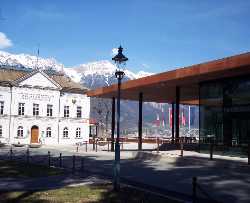 Museum
Tiroler MuseumsBahnen
Museum
Tiroler MuseumsBahnen
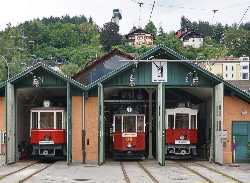 Museum
Stadtarchiv/Stadtmuseum
Museum
Stadtarchiv/Stadtmuseum
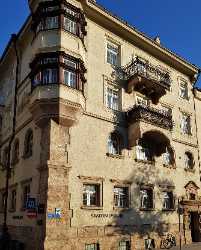 Museum
Archäologisches Museum Innsbruck
Museum
Archäologisches Museum Innsbruck
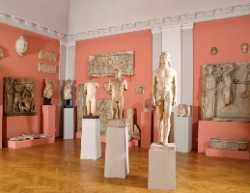 Museum
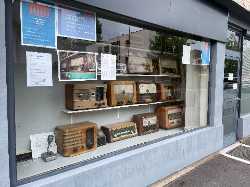
Radiomuseum
Museum
Radiomuseum
 Museum
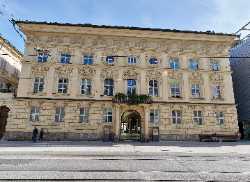
TAXISPALAIS Kunsthalle Tirol
Museum
TAXISPALAIS Kunsthalle Tirol
 Museum
Golden Roof Museum
Museum
Golden Roof Museum
 Historical Landmark
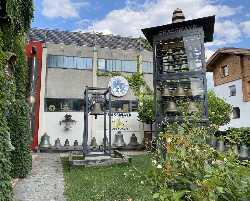
Glockengießerei Grassmayr - "Glockenmuseum"
Historical Landmark
Glockengießerei Grassmayr - "Glockenmuseum"
 Museum
Ambras Castle
Museum
Ambras Castle
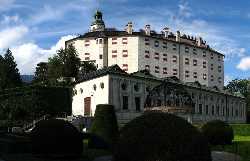 Castle
Cathedral of St. James
Castle
Cathedral of St. James
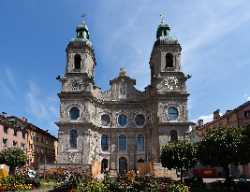 Church
Court Church
Church
Court Church
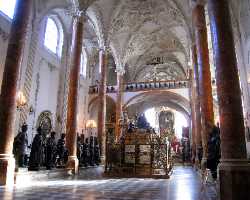 Church
Jesuit Church
Church
Jesuit Church
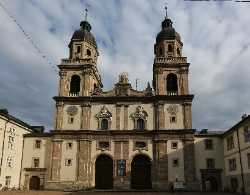 Church
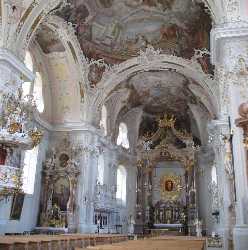
Wilten Basilica
Church
Wilten Basilica
 Basilica
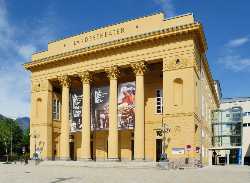
Tiroler Landestheater
Basilica
Tiroler Landestheater
 Theatre
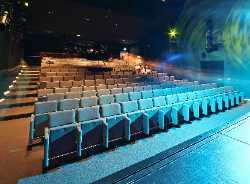
Kammerspiele Innsbruck
Theatre
Kammerspiele Innsbruck
 Theatre
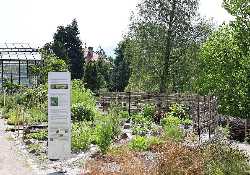
Innsbruck University Botanical Garden
Theatre
Innsbruck University Botanical Garden
 Botanical Garden
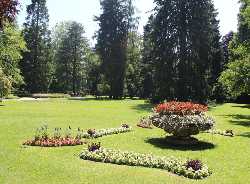
Hofgarten Innsbruck
Botanical Garden
Hofgarten Innsbruck
 Park
Park