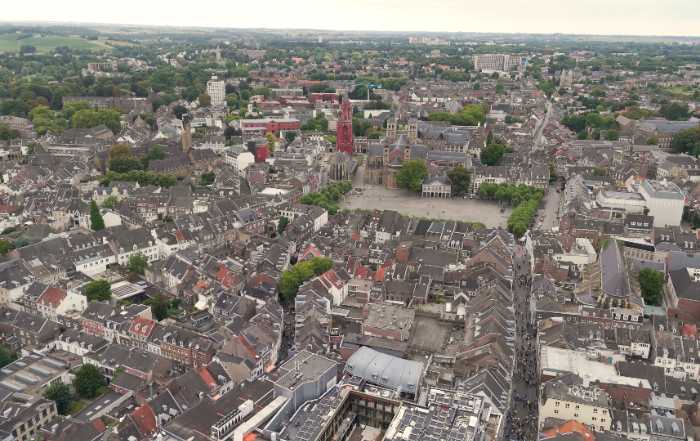
Maastricht
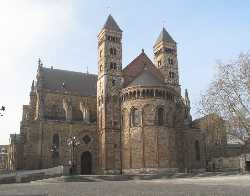
Maastricht stands as a unique gateway where the borders of the Netherlands, Belgium, and Germany meet, creating a city that feels both deeply Dutch and unmistakably European. Its story began over two thousand years ago when the Romans established a settlement called Mosa Trajectum, meaning "crossing at the Meuse." They built the first permanent bridge over the river, securing the site as a vital military and trade link. Today, visitors can still see the foundations of Roman walls and artifacts tucked away in hotel cellars and museum displays, marking Maastricht as one of the oldest continuously inhabited cities in the country. As the Roman Empire faded, the city transformed into a major religious hub. In the fourth century, Saint Servatius, the first Bishop of the Netherlands, was buried here, turning the city into a site of pilgrimage. The Basilica of Saint Servatius, which stands over his grave, is a masterpiece of Romanesque architecture and remains the oldest church in the nation. This religious influence shaped the medieval city, leading to the construction of grand squares like the Vrijthof, which remains the heart of social life today, surrounded by historic buildings and outdoor cafes. Because of its strategic location, Maastricht spent centuries as a coveted fortress. It was a site of constant conflict, besieged by Spanish and French forces, including a famous assault led by the musketeer d’Artagnan, who died at the city gates. To defend itself, the city developed a massive network of underground fortifications. These tunnels, known as the Casemates, stretch for miles beneath the streets and were used by soldiers to surprise enemies or by citizens to hide during air raids in later wars. The Helpoort, a heavy stone gate built in 1229, still stands as the oldest surviving city gate in the Netherlands, a silent witness to this turbulent military past. In modern times, Maastricht transitioned from a garrison town to a symbol of unity. In 1992, world leaders gathered here to sign the Treaty of Maastricht, which officially created the European Union and paved the way for the Euro currency. This international legacy continues today through its world-renowned university and a vibrant, multicultural population. The city is famous for its "joie de vivre," a southern Dutch lifestyle focused on fine dining, art fairs like TEFAF, and the colorful celebration of Carnival, ensuring that its ancient streets remain as lively today as they were during the time of the Romans.
What to see in Maastricht
 Bridge
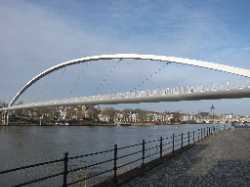
Sint Servaasbrug
Bridge
Sint Servaasbrug
 Bridge
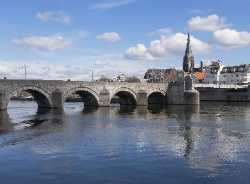
Kasteel Geusselt
Bridge
Kasteel Geusselt
 Castle
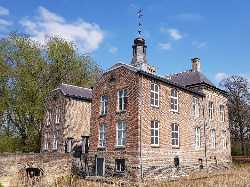
Sint Theresiakerk
Castle
Sint Theresiakerk
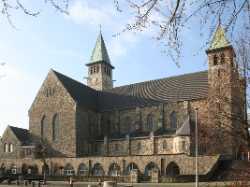 Church
Sint Augustinus Church
Church
Sint Augustinus Church
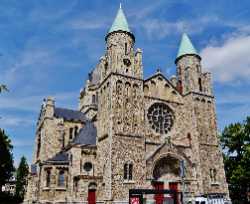 Church
Sint Mathias Church
Church
Sint Mathias Church
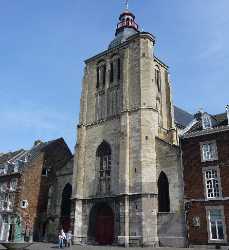 Church
Sint Jan's Church
Church
Sint Jan's Church
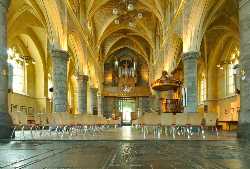 Church
Saint Martin's Church
Church
Saint Martin's Church
 Church
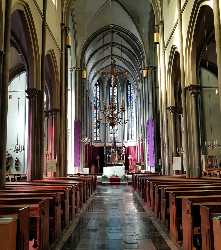
Basilica of Our Lady
Church
Basilica of Our Lady
 Church
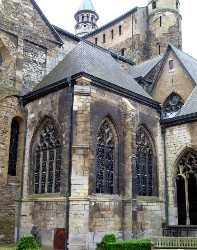
Basilica of Saint Servatius
Church
Basilica of Saint Servatius
 Church
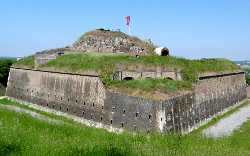
Fort Sint Pieter
Church
Fort Sint Pieter
 Fortress
Dinghuis
Fortress
Dinghuis
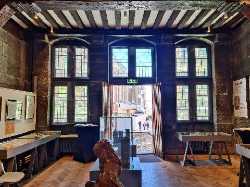 Historical Landmark
Maastricht Museum
Historical Landmark
Maastricht Museum
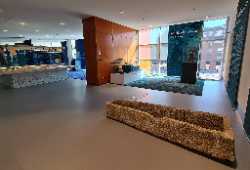 Museum
Shelter Museum Maastricht
Museum
Shelter Museum Maastricht
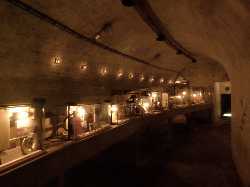 Museum
Bosch Brewery Museum
Museum
Bosch Brewery Museum
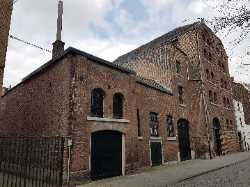 Museum
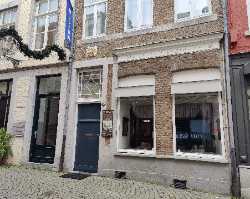
 Kapel van Verbeelding
Museum
Museum Kapel van Verbeelding
 Museum
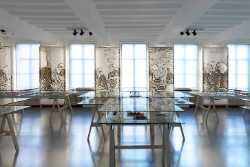
Marres, House for Contemporary Culture
Museum
Marres, House for Contemporary Culture
 Museum
 of Illusions Maastricht
Museum
Museum of Illusions Maastricht
 Museum
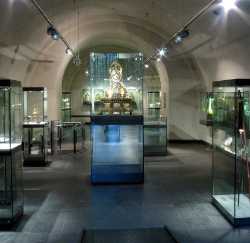
Treasury of the Basilica of Saint Servatius
Museum
Treasury of the Basilica of Saint Servatius
 Museum
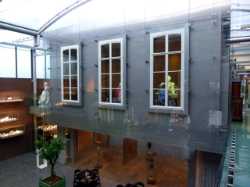
Fotomuseum aan het Vrijthof
Museum
Fotomuseum aan het Vrijthof
 Museum
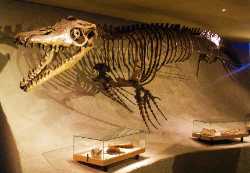
Natural History Museum Maastricht
Museum
Natural History Museum Maastricht
 Museum
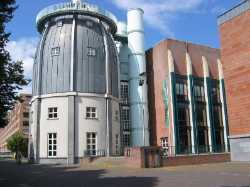
Bonnefanten Museum
Museum
Bonnefanten Museum
 Museum
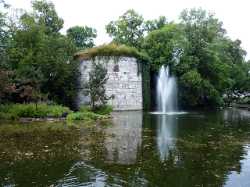
Stadspark Maastricht
Museum
Stadspark Maastricht
 Park
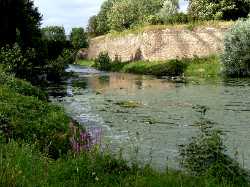
Frontenpark
Park
Frontenpark
 Park
Monseigneur Nolenspark
Park
Monseigneur Nolenspark
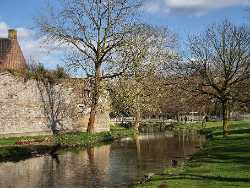 Park
Kumulus Theatre
Park
Kumulus Theatre
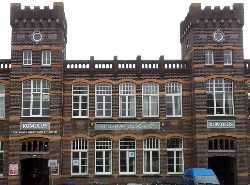 Theatre
AINSI Theatre
Theatre
AINSI Theatre
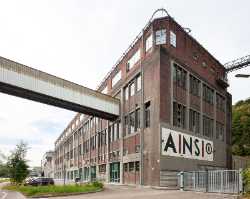 Theatre
Theater aan het Vrijthof
Theatre
Theater aan het Vrijthof
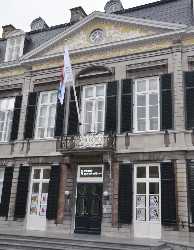 Theatre