National Museum of Šumadija
The National Museum of Šumadija is one of central Serbia’s most engaging cultural institutions, offering a vivid journey through the region’s turbulent history and rich traditions. Founded in 1949, it occupies a historic building near the old city center, where carefully curated exhibits reveal how Kragujevac evolved from a royal capital in the 19th century into a modern industrial hub. Its most compelling section is the gallery dedicated to the First Serbian Uprising, featuring weapons, uniforms, and personal belongings of revolutionaries who shaped the birth of modern Serbia. These objects provide an intimate look at everyday life during the struggle for independence. Equally fascinating is the Prince Miloš era collection, which includes furniture, documents, and portraits illustrating Kragujevac’s role as the country’s first capital. The museum’s ethnographic department showcases traditional Šumadija clothing, household items, and rural crafts. Embroidered garments, wooden chests, and ceremonial objects highlight the region’s distinctive folk culture. A moving part of the museum is the section on Kragujevac in World War II, with photographs and testimonies that document the tragic 1941 massacre and the city’s resilience.
Kragujevac Serbia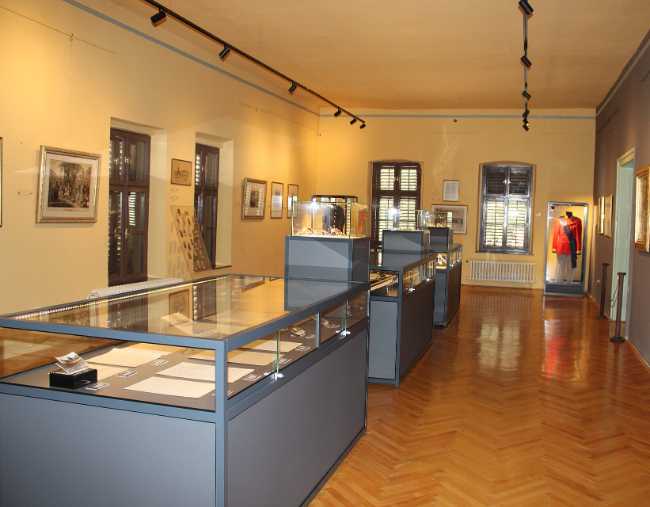
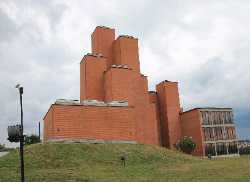
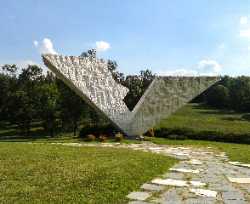
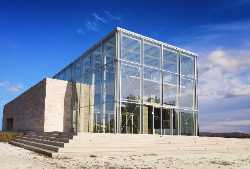
The museum is located at Vuka Karadžića 1, Kragujevac 34000, Serbia. It sits right in the historic center, just across the Lepenica River from the main downtown area. Because the museum sits in the city's historic complex, you can easily walk to several major cultural sights and landmarks nearby. Right next door is Amidža's Konak, the only surviving building from the court complex of Prince Miloš Obrenović. A short stroll across the square brings you to the Prince Miloš Church, the Old Assembly building where historical state decisions were made, and the historic First Kragujevac Gymnasium. A short drive to the west leads to the sprawling Šumarice Memorial Park and the 21st October Museum, which commemorate the city's World War II history.
 Museum
 Museum
 Museum
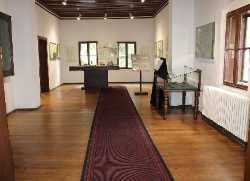 Museum
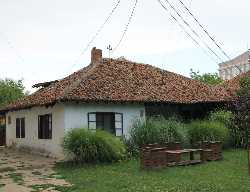 Museum
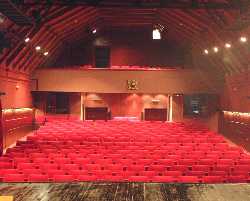 Theatre
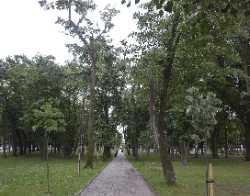 Park
Park
 Park
Park
 Park
Park
 Gallery