Knjaževsko-Srpski Theatre
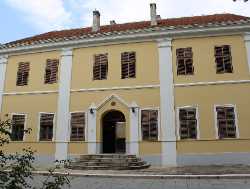
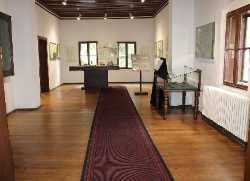
Knjaževsko‑Srpski Theatre in Kragujevac is the oldest modern theatre in Serbia, founded in 1835 by Prince Miloš Obrenović as part of his cultural reforms. Its creation marked a turning point: for the first time, theatre became an official institution of the Serbian state, symbolising a desire to join European cultural life. The building itself, reconstructed several times, still carries echoes of its early 19th‑century origins, with a façade that blends modest classicism and civic pride. Inside, visitors can explore a richly atmospheric interior. The main hall features elegant balconies, deep red seating, and a stage that has hosted everything from patriotic dramas to avant‑garde productions. Archival exhibits present original scripts, costumes, and photographs documenting nearly two centuries of performances. One particularly interesting item is the preserved repertoire list from the theatre’s earliest seasons, showing how Serbian audiences were introduced to European classics alongside local works. Backstage tours reveal the technical heart of the theatre: costume workshops, prop rooms, and the intricate stage machinery that supports modern productions. The building also houses a small memorial space dedicated to actors and directors who shaped Serbian theatre history.
Kragujevac Serbia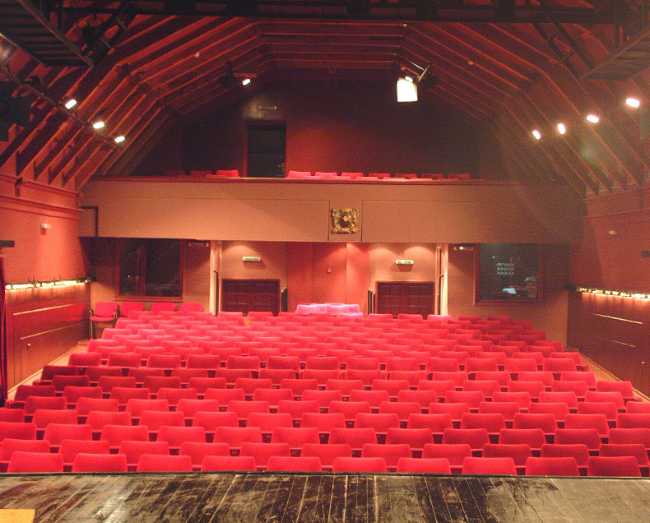
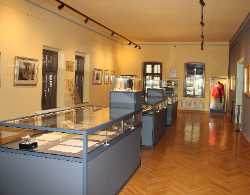
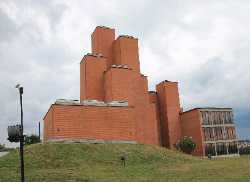
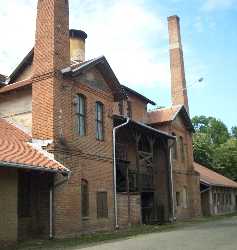
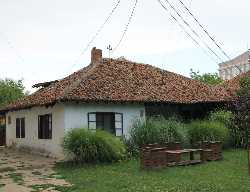
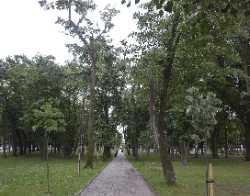
Because the theatre sits right in the city center, exploring nearby historic landmarks is completely effortless. Right next door stands the First Kragujevac Gymnasium, a grand 19th-century academic institution. Just a short stroll away lies the Milošev Venac complex, where you can explore royal heritage sites like Amidža's Mansion—the sole surviving building from Prince Miloš's original court—and Prince Mihailo's Konak, an elegant residence housing National Museum collections. Also within the same historic precinct are the Old Church built in 1818 and the Old Assembly Building. Crossing the nearby Lepenica River brings you straight to the Prince's Arsenal, an impressive red-brick industrial heritage complex home to the Old Foundry Museum. If you take a short drive or longer walk northwest, you can also visit the expansive Šumarice Memorial Park and the 21st of October Museum. Its rich cultural legacy and prime location make the theatre a perfect spot to begin exploring Kragujevac.
 Museum
 Museum
 Museum
 Museum
 Museum
 Museum
 Park
Park
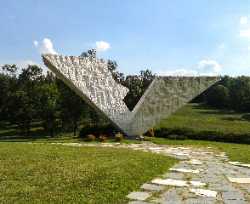 Park
Park
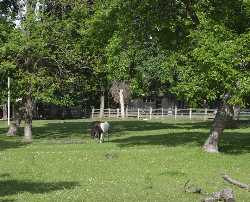 Park
Park
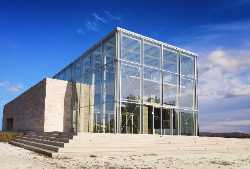 Gallery