House of Prota Miloje Barjaktarević
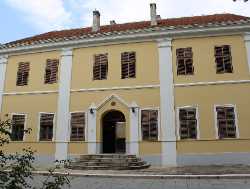
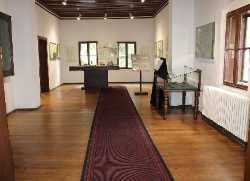
House of Prota Miloje Barjaktarević is one of Kragujevac’s most atmospheric preserved homes, offering a vivid glimpse into the life of a respected 19th‑century priest and community leader. Built in the traditional Balkan style, the house combines a stone base with an upper wooden structure, creating a warm, intimate interior typical of the period when Kragujevac was the political and cultural heart of Serbia. Inside, visitors can explore rooms arranged to reflect Prota Miloje’s daily life and social role. The main reception room features carved wooden furniture, embroidered textiles, and family portraits that illustrate the status of a clerical household in the early modern Serbian state. A particularly interesting element is the collection of liturgical objects and manuscripts, showing the priest’s involvement in education and local governance. The house also preserves a traditional odžaklija—a central hearth room where meals were prepared and guests welcomed. Its smoke‑blackened beams and simple clay stove evoke the domestic rhythms of the era. Exhibits highlight Prota Miloje’s participation in national events, including his role in strengthening community identity during turbulent political times.
Kragujevac Serbia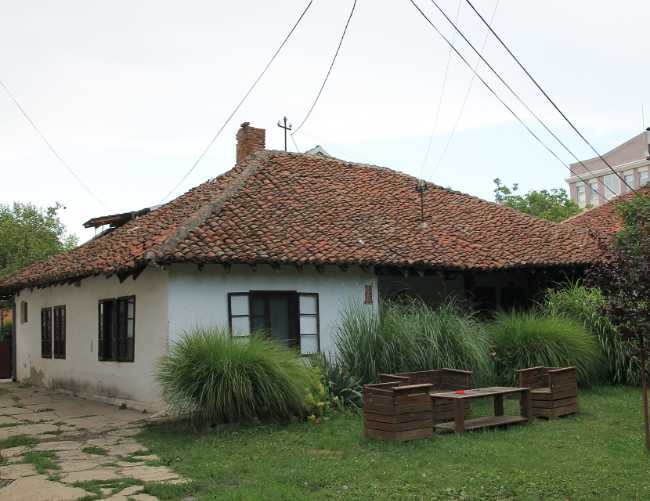
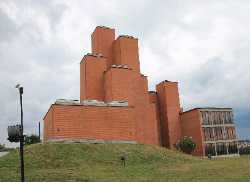
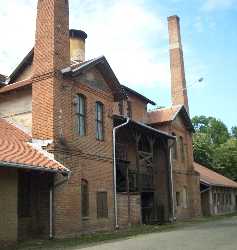
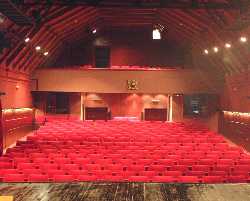
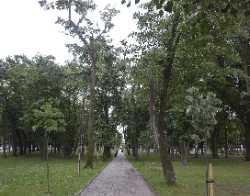
Its location in the historic center places you within easy walking distance of the city's top cultural sights. Just a short walk down the street brings you to the Milošev Venac complex, where you can visit Amidža's Mansion, an authentic Ottoman-era royal residence, and Prince Mihailo's Konak, an elegant European-style mansion displaying rich museum collections. Also nearby are the historic Old Church built in 1818, the Old Assembly Building, and the grand First Kragujevac Gymnasium next to the Knjaževsko-srpski Teatar, Serbia's oldest active theater. Crossing the nearby Lepenica River leads you straight to the Prince's Arsenal, an impressive red-brick industrial complex home to the Old Foundry Museum. If you take a short drive or longer walk northwest, you can also explore the vast Šumarice Memorial Park and the 21st of October Museum. Its central position and historical charm make the house a great starting point for discovering Kragujevac.
 Museum
 Museum
 Museum
 Museum
 Museum
 Theatre
 Park
Park
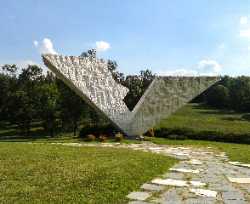 Park
Park
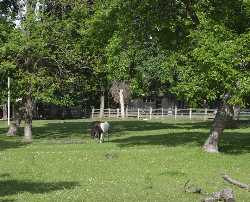 Park
Park
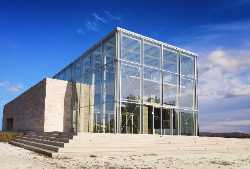 Gallery