Wroclaw
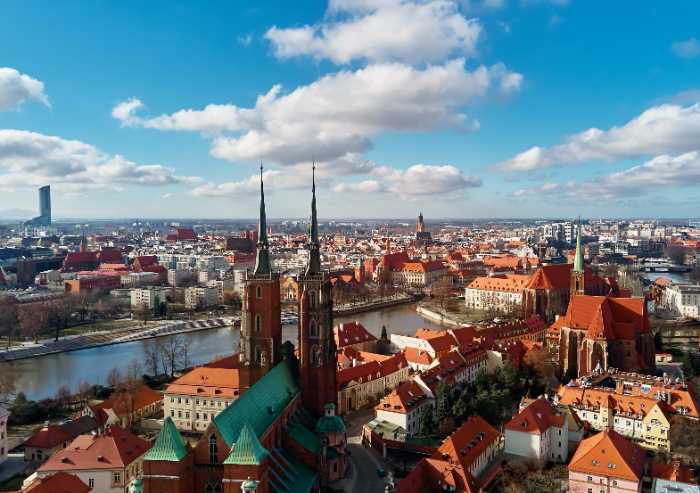
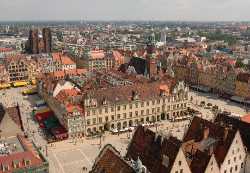
Wrocław is a city that doesn't just sit on the map; it floats, anchored by over a hundred bridges across the winding veins of the Odra River. Often overshadowed by the royal gravity of Krakow or the sprawling energy of Warsaw, Wrocław—the "Venice of the North"—possesses a charm that is both whimsical and deeply resilient. To walk its streets is to navigate a kaleidoscope of Central European history, where Bohemian, Austrian, Prussian, and Polish influences have layered upon one another like coats of vibrant paint on a medieval facade. The heart of the city beats in the Rynek, the Main Market Square. It is a space of theatrical proportions, dominated by the Old Town Hall, a Gothic masterpiece with a roof so intricate it looks like lace frozen in brick. The square is ringed by "kamienice"—tall, narrow merchant houses painted in shades of sunflower yellow, deep crimson, and forest green. Yet, if you look down from the grandeur of the architecture, you will find the city’s most famous residents: the Wrocław Dwarves. These small bronze figures are scattered across the city, hiding behind lamp posts and perched on windowsills. While they are a delight for tourists today, they began as a subversive symbol of the "Orange Alternative" movement, a peaceful and surrealist protest against the communist regime in the 1980s. They are a reminder that in Wrocław, even the smallest things carry the weight of revolution. As the sun begins to set, the atmosphere shifts toward the ethereal on Ostrów Tumski, or Cathedral Island. This is the oldest part of the city, a place where time seems to have been suspended in the 14th century. It remains one of the last places in Europe where a lamplighter, dressed in a traditional black cape and top hat, makes his rounds at dusk to manually light the city’s real gas lamps. The hiss of the gas and the warm, flickering glow reflecting off the twin spires of the Cathedral of St. John the Baptist create a silence so profound it’s hard to believe a bustling university city lies just across the bridge. Wrocław is a city of "meetings," as its official motto suggests. It is a place that was once Breslau and is now Wrocław, a city that survived the brutal Siege of 1945 and rebuilt itself into a European Capital of Culture. It is a labyrinth of secret gardens, riverside beaches, and hidden courtyards, offering a sense of discovery that feels earned. It is a city that doesn't just show you its history; it invites you to sit down, have a coffee in a medieval cellar, and become part of its ongoing story.
What to see in Wroclaw
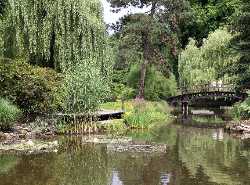 Botanical Garden
Most Tumski
Botanical Garden
Most Tumski
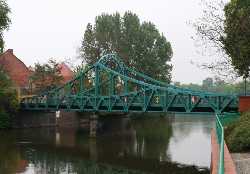 Bridge
Most Grunwaldzki
Bridge
Most Grunwaldzki
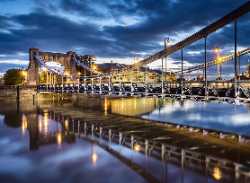 Bridge
Leśnica Castle
Bridge
Leśnica Castle
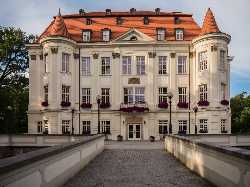 Castle
Bastion Sakwowy
Castle
Bastion Sakwowy
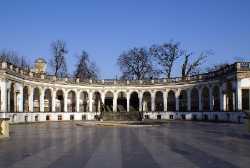 Castle
Cathedral of St. Mary Magdalene
Castle
Cathedral of St. Mary Magdalene
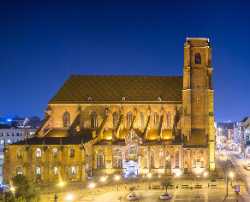 Cathedral
St. John the Baptist Archcathedral
Cathedral
St. John the Baptist Archcathedral
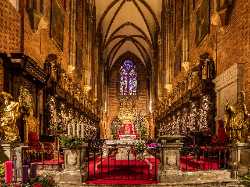 Cathedral
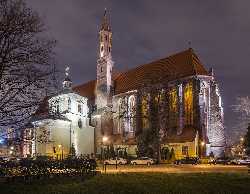
Church of St. Matthew
Cathedral
Church of St. Matthew
 Cathedral
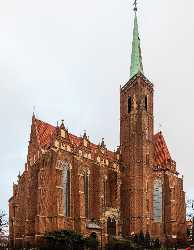
Collegiate Church of the Holy Cross and St. Bartholomew
Cathedral
Collegiate Church of the Holy Cross and St. Bartholomew
 Church
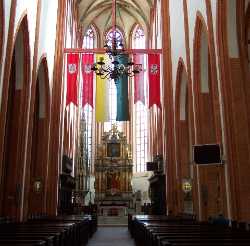
Basilica of St. Elizabeth of Hungary
Church
Basilica of St. Elizabeth of Hungary
 Church
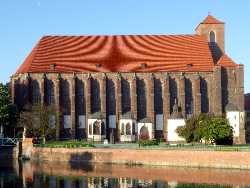
 of St. Mary on the Sand
Church
Church of St. Mary on the Sand
 Church
 of St. Giles
Church
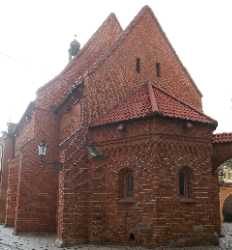
Church of St. Giles
 Church
Centennial Hall
Church
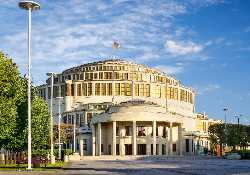
Centennial Hall
 Events Venue
Ogród Japoński
Events Venue
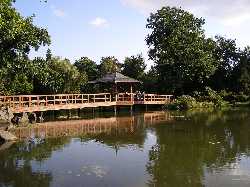
Ogród Japoński
 Garden
Bastion Ceglarski
Garden
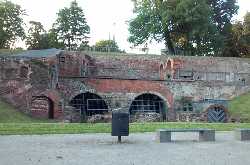
Bastion Ceglarski
 Historical Landmark
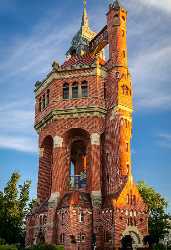
Wieża ciśnień Borek we Wrocławiu
Historical Landmark
Wieża ciśnień Borek we Wrocławiu
 Historical Landmark
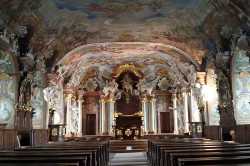
University of Wrocław Museum
Historical Landmark
University of Wrocław Museum
 Museum
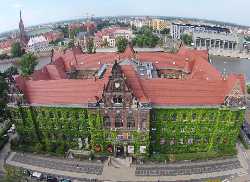
National Museum in Wrocław
Museum
National Museum in Wrocław
 Museum
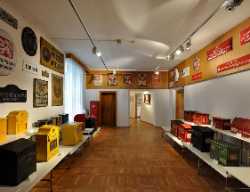
Post and Telecommunications Museum
Museum
Post and Telecommunications Museum
 Museum
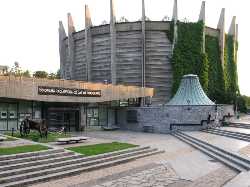
Panorama of the Battle of Racławice
Museum
Panorama of the Battle of Racławice
 Museum
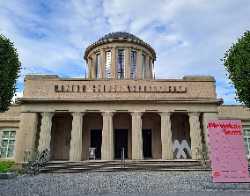
Four Domes Pavilion Museum of Contemporary Art
Museum
Four Domes Pavilion Museum of Contemporary Art
 Museum
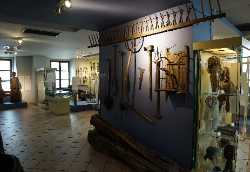
Ethnographic Museum in Wrocław
Museum
Ethnographic Museum in Wrocław
 Museum
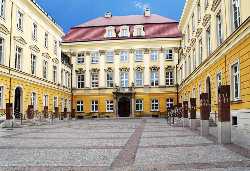
The City Museum of Wroclaw
Museum
The City Museum of Wroclaw
 Museum
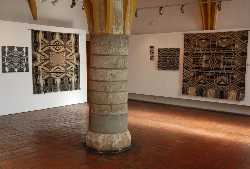
 of Architecture
Museum
Museum of Architecture
 Museum
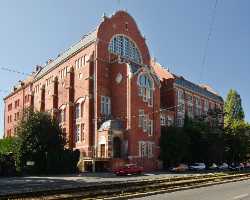
 of Natural History Wrocław
Museum
Museum of Natural History Wrocław
 Museum
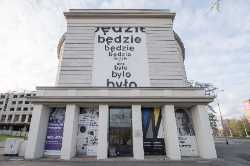
Wrocław Contemporary Museum
Museum
Wrocław Contemporary Museum
 Museum
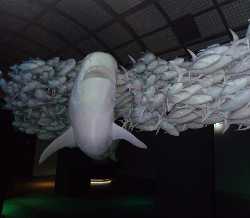
Hydropolis
Museum
Hydropolis
 Museum
Archdiocesan Museum in Wrocław
Museum
Archdiocesan Museum in Wrocław
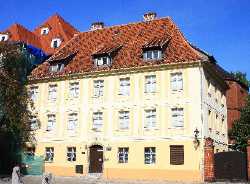 Museum
Muzeum Farmacji Collegium Medicum Uniwersytetu Jagiellońskiego
Museum
Muzeum Farmacji Collegium Medicum Uniwersytetu Jagiellońskiego
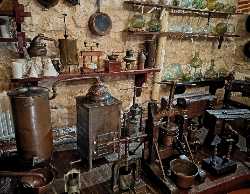 Museum
Game and Computer Museum of the Past Era
Museum
Game and Computer Museum of the Past Era
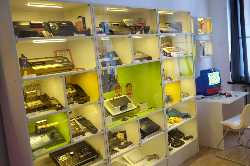 Museum
Pan Tadeusz Museum
Museum
Pan Tadeusz Museum
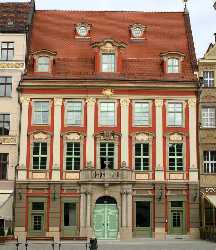 Museum
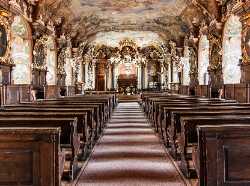
Geological Museum of the University of Wroclaw
Museum
Geological Museum of the University of Wroclaw
 Museum
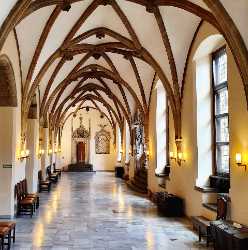
Muzeum Sztuki Mieszczańskiej
Museum
Muzeum Sztuki Mieszczańskiej
 Museum
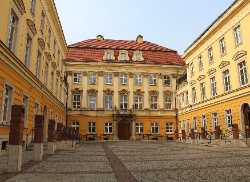
 of Medallic Art
Museum
Museum of Medallic Art
 Museum
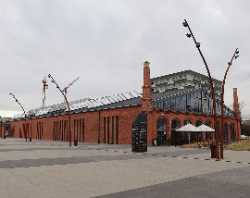
Centrum Historii Zajezdnia
Museum
Centrum Historii Zajezdnia
 Museum
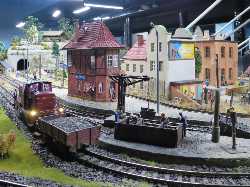
Kolejkowo Wrocław
Museum
Kolejkowo Wrocław
 Museum
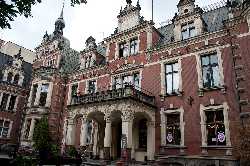
Pałac Oppersdorfów
Museum
Pałac Oppersdorfów
 Palace
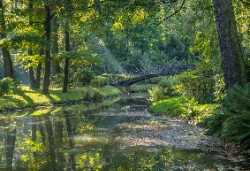
Szczytnicki Park
Palace
Szczytnicki Park
 Park
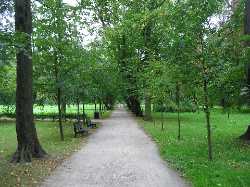
Park Brochowski
Park
Park Brochowski
 Park
Rynek Wroclaw
Park
Rynek Wroclaw
 Square
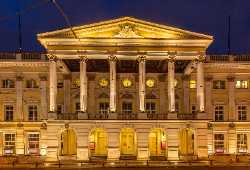
Wrocław Opera
Square
Wrocław Opera
 Theatre
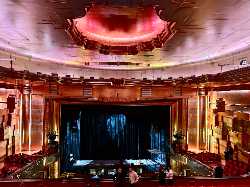
Capitol Musical Theatre
Theatre
Capitol Musical Theatre
 Theatre
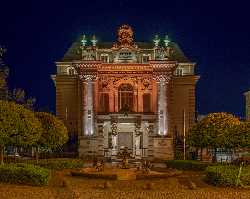
Wrocław Puppet Theatre
Theatre
Wrocław Puppet Theatre
 Theatre
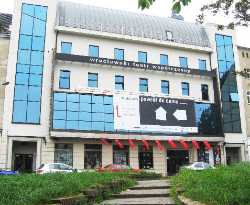
Wrocławski Teatr Współczesny
Theatre
Wrocławski Teatr Współczesny
 Theatre
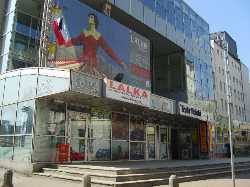
Polish Theatre in Wrocław
Theatre
Polish Theatre in Wrocław
 Theatre
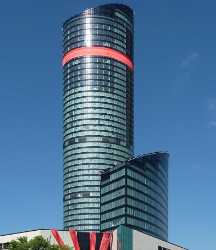
Sky Tower Wroclaw
Theatre
Sky Tower Wroclaw
 Tourist attraction
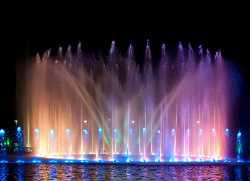
Wrocław Multimedia Fountain
Tourist attraction
Wrocław Multimedia Fountain
 Tourist attraction
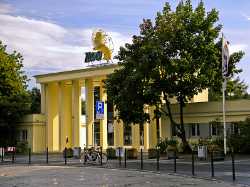
Wrocław Zoo
Tourist attraction
Wrocław Zoo
 Zoo
Zoo