Diocletian's Palace
Diocletian’s Palace is the monumental heart of Split, a living Roman complex that has survived for more than 1,700 years. Built as Emperor Diocletian’s retirement residence, it was designed as a fortified mini‑city, blending military precision with imperial luxury. Today, its ancient walls still frame everyday life: cafés, homes, shops, and hidden courtyards all occupy spaces once used by Roman soldiers and servants. The most striking area is the Peristyle, the ceremonial square where Diocletian appeared before citizens. Its colonnades and red granite columns create one of the most atmospheric spots in the city. Beneath the palace lies the vast Substructures, remarkably preserved halls that mirror the layout of the emperor’s former apartments. Their scale reveals how grand the upper floors once were. Inside the complex you can also visit the Cathedral of Saint Domnius, originally Diocletian’s mausoleum, now one of the world’s oldest functioning cathedrals. The Temple of Jupiter, with its carved ceiling and ancient statue, offers another glimpse into Roman religious life. Wandering the narrow streets, you’ll encounter medieval additions, Venetian influences, and modern life woven seamlessly into the ancient stone.
Split Croatia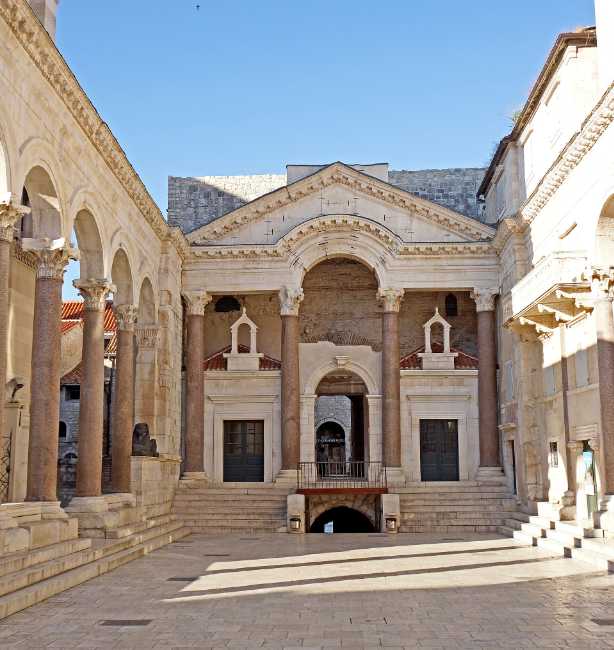
At the very heart of Split, Croatia, Diocletian’s Palace is a 4th-century Roman complex that forms half of the city’s Old Town. Built by Emperor Diocletian as his retirement residence, it’s one of the best-preserved examples of Roman palatial architecture and a UNESCO World Heritage Site. Today, over 3,000 people live within its ancient walls, where Roman temples, medieval houses, shops, cafes, and restaurants blend into daily life. The palace opens right onto Split’s Riva promenade, the city’s buzzing waterfront lined with palm trees and cafes. A few steps away are Pjaca (Narodni Trg) with its 24-hour city clock, and the Fruit Square (Trg Braće Radić). Also within the palace complex: the Ethnographic Museum with a rooftop terrace, art galleries, and Let Me Pass Street, one of the world’s narrowest. Just outside the walls you’ll find the Green Market (Pazar), Marjan Hill for forest trails and viewpoints, and Bačvice Beach for swimming. Other nearby stops include Froggyland museum, the Museum of Illusions, and Poljud Stadium, home of Hajduk Split. With no ticket needed to wander the palace itself, it’s open 24/7 — a living monument where 1,700 years of history meet modern Split life.
 Museum
Croatian Maritime Museum
Museum
Croatian Maritime Museum
 Museum
Split Ethnographic Museum
Museum
Split Ethnographic Museum
 Museum
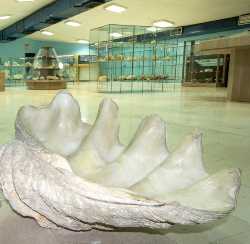
Split Natural History Museum
Museum
Split Natural History Museum
 Museum
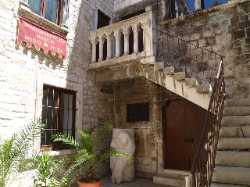
Split City Museum
Museum
Split City Museum
 Museum
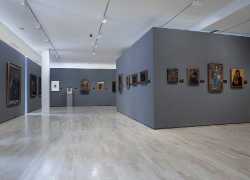
 of Fine Arts
Museum
Museum of Fine Arts
 Museum
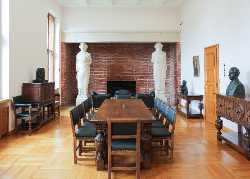
Meštrović Gallery
Museum
Meštrović Gallery
 Museum
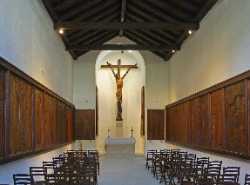
Meštrovićeve Crikvine – Kaštilac
Museum
Meštrovićeve Crikvine – Kaštilac
 Museum
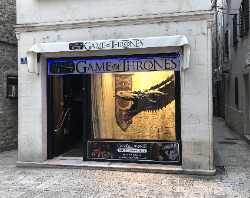
Game of Thrones Museum
Museum
Game of Thrones Museum
 Museum
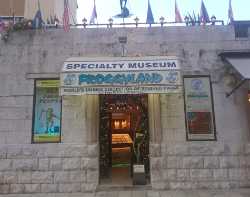
Froggyland
Museum
Froggyland
 Museum
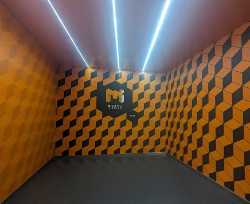
 of Illusions Split
Museum
Museum of Illusions Split
 Museum
Hajduk Split Stadium Tour & Museum
Museum
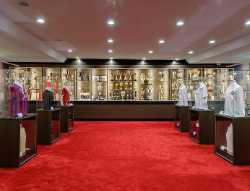
Hajduk Split Stadium Tour & Museum
 Stadium
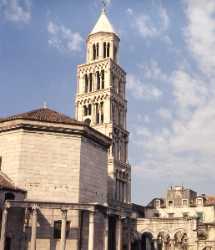
Cathedral of Saint Domnius
Stadium
Cathedral of Saint Domnius
 Cathedral
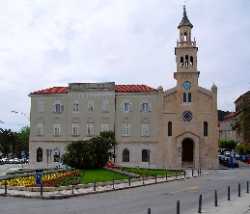
Church of St. Francis
Cathedral
Church of St. Francis
 Church
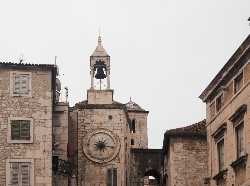
 of Our Lady of the Bell Tower
Church
Church of Our Lady of the Bell Tower
 Church
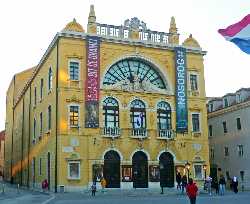
Croatian National Theatre in Split
Church
Croatian National Theatre in Split
 Theatre
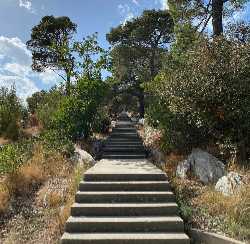
Marjan Forest Park
Theatre
Marjan Forest Park
 Park
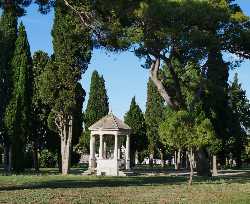
Sustipan Park
Park
Sustipan Park
 Park
Park