Split City Museum
Split City Museum is one of the most atmospheric cultural stops inside Diocletian’s Palace, housed in the elegant 15th‑century Papalić Palace. Its Gothic windows, carved stone portals, and inner courtyard already feel like an exhibit, offering a glimpse into the life of Split’s noble families during the late medieval period. One of the most interesting facts is that the palace was designed by Juraj Dalmatinac, the famed architect behind Šibenik’s cathedral. Inside, the museum traces Split’s urban story from antiquity to the modern era. The lapidarium displays Roman inscriptions, reliefs, and architectural fragments found throughout the palace, showing how the imperial complex evolved into a living city. The medieval rooms present coats of arms, weapons, and documents that reveal how Split balanced Venetian influence with its own civic identity. A highlight is the collection of Renaissance and Baroque art, including portraits, religious pieces, and decorative objects that illustrate the tastes of Split’s patrician families. The museum also preserves maps, manuscripts, and early photographs that document the transformation of the palace’s ancient corridors into the vibrant streets visitors walk today.
Split Croatia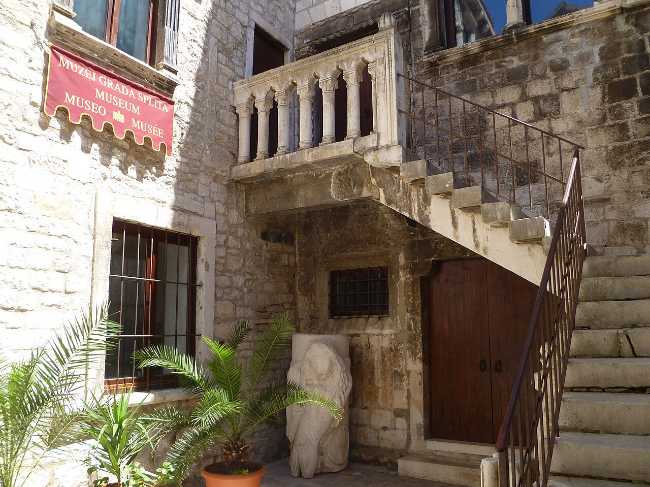
The Split City Museum is located in the heart of Split, Croatia, inside Diocletian’s Palace, a UNESCO World Heritage site. It is housed in the Gothic-Renaissance Papalić Palace, built in the 15th century for one of the city’s prominent noble families. The palace itself is part of the experience, with its stone courtyard, arched windows, and historic halls showing how Split’s elite once lived. Established in 1946, the museum traces the development of Split from the Middle Ages to the early 20th century. Collections include city statutes, seals, coats of arms, weapons, furniture, paintings, and documents that illustrate urban life under Venetian, Austrian, and later administrations. Old maps, engravings, and city models show how Split grew from the Roman palace into a busy Adriatic port. Special focus is given to civic institutions, trade, and the cultural life that shaped the city’s identity over centuries. Step outside and you are surrounded by Split’s main landmarks. The Peristyle, the palace’s central square, and the Cathedral of St. Domnius with its bell tower are only moments away. The Temple of Jupiter, Golden Gate, and the palace cellars are all within the same complex. Beyond the palace walls, the Riva promenade runs along the harbor, the lively Pazar green market offers local produce, and Marjan Forest Park with its trails and beaches is a short walk away. With its central location and rich collection, the Split City Museum gives essential context for understanding how the city evolved around Diocletian’s Palace into the Split of today.
 Museum
Croatian Maritime Museum
Museum
Croatian Maritime Museum
 Museum
Split Ethnographic Museum
Museum
Split Ethnographic Museum
 Museum
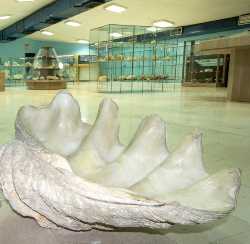
Split Natural History Museum
Museum
Split Natural History Museum
 Museum
 of Fine Arts
Museum
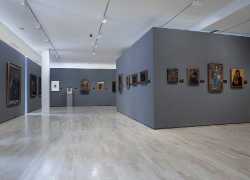
Museum of Fine Arts
 Museum
Meštrović Gallery
Museum
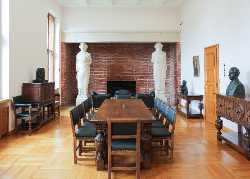
Meštrović Gallery
 Museum
Meštrovićeve Crikvine – Kaštilac
Museum
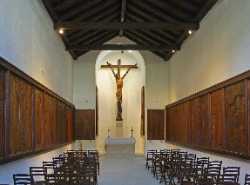
Meštrovićeve Crikvine – Kaštilac
 Museum
Game of Thrones Museum
Museum
Game of Thrones Museum
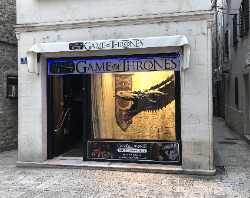 Museum
Froggyland
Museum
Froggyland
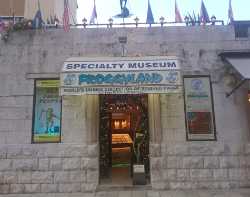 Museum
 of Illusions Split
Museum
Museum of Illusions Split
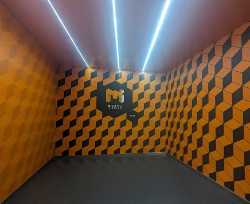 Museum
Hajduk Split Stadium Tour & Museum
Museum
Hajduk Split Stadium Tour & Museum
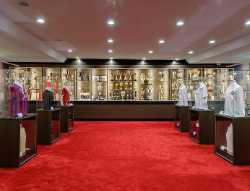 Stadium
Diocletian's Palace
Stadium
Diocletian's Palace
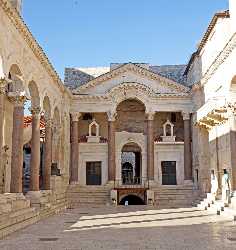 Historical Landmark
Cathedral of Saint Domnius
Historical Landmark
Cathedral of Saint Domnius
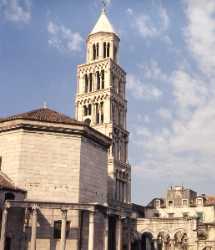 Cathedral
Church of St. Francis
Cathedral
Church of St. Francis
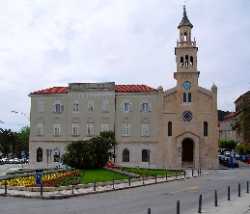 Church
 of Our Lady of the Bell Tower
Church
Church of Our Lady of the Bell Tower
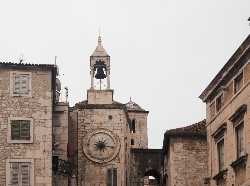 Church
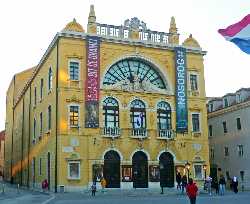
Croatian National Theatre in Split
Church
Croatian National Theatre in Split
 Theatre
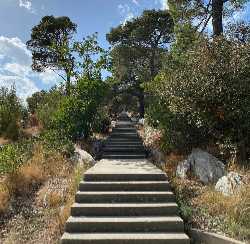
Marjan Forest Park
Theatre
Marjan Forest Park
 Park
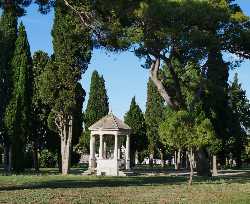
Sustipan Park
Park
Sustipan Park
 Park
Park