Archaeological Museum in Split
The Archaeological Museum in Split is the oldest museum in Croatia and one of the most fascinating gateways into Dalmatia’s ancient past. Founded in 1820, it preserves an extraordinary collection that spans Greek colonies, Roman urban life, early Christian art, and medieval heritage. One of the most interesting facts is that many artefacts come directly from Diocletian’s Palace, giving visitors a rare chance to see objects connected to the emperor who reshaped Split. Inside, the Roman section is the star attraction. You’ll find finely carved sarcophagi, portrait busts, jewellery, and everyday items that reveal how people lived in the bustling provincial capital of Salona. The museum’s collection of Greek ceramics and inscriptions from the Adriatic islands adds another layer, showing how trade and culture flowed through the region long before Rome arrived. A highlight is the early Christian lapidarium, where stone reliefs, altars, and decorative fragments illustrate the rise of Christianity in Salona, once one of the largest Christian centres on the Adriatic. The medieval exhibits, including weapons and church artefacts, complete the story of Split’s long transformation.
Split Croatia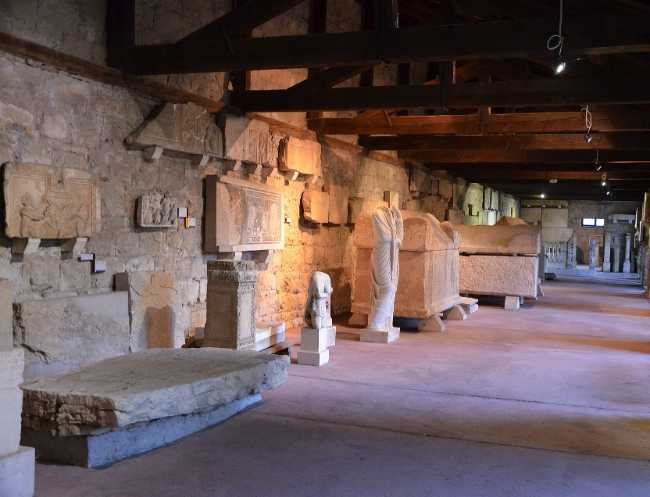
The Archaeological Museum in Split is located in the northern part of Split, Croatia, just outside the busy historic center and a short walk from the city’s main bus station. Founded in 1820, it is the oldest museum institution in Croatia and occupies a purpose-built complex with exhibition halls and a spacious garden lapidarium. The museum holds an extensive collection spanning prehistoric, Greek, Roman, and early Christian periods, with a strong focus on ancient Salona, the nearby Roman capital of the province of Dalmatia. Highlights include Roman stone monuments, sarcophagi, inscriptions, and mosaics, along with Greek pottery, jewelry, coins, and everyday objects that illustrate life along the Adriatic coast for thousands of years. The open-air lapidarium displays large stone fragments and sculptures among Mediterranean plants, offering a quiet space to explore. From the museum it’s an easy stroll to Split’s UNESCO-listed historic core. The main draw is Diocletian’s Palace, a vast 4th-century Roman complex with preserved cellars, Peristyle square, the Cathedral of St. Domnius, and the Temple of Jupiter. The lively Riva promenade, Marjan Forest Park with its viewpoints and beaches, and the Mestrovic Gallery dedicated to Croatia’s most famous sculptor are all close by.
 Museum
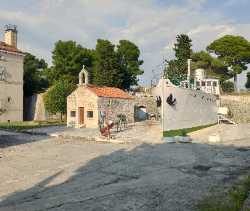
Split Ethnographic Museum
Museum
Split Ethnographic Museum
 Museum
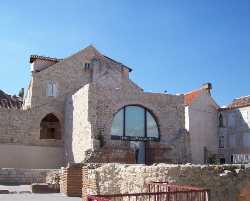
Split Natural History Museum
Museum
Split Natural History Museum
 Museum
Split City Museum
Museum
Split City Museum
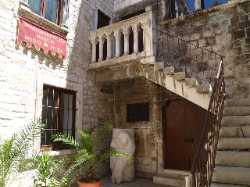 Museum
 of Fine Arts
Museum
Museum of Fine Arts
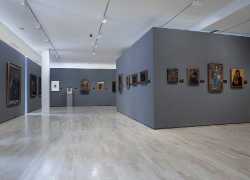 Museum
Meštrović Gallery
Museum
Meštrović Gallery
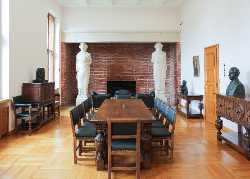 Museum
Meštrovićeve Crikvine – Kaštilac
Museum
Meštrovićeve Crikvine – Kaštilac
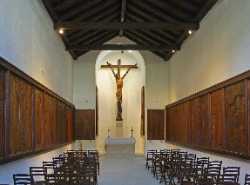 Museum
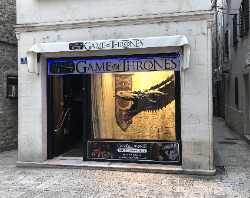
Game of Thrones Museum
Museum
Game of Thrones Museum
 Museum
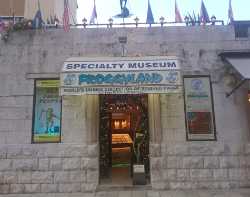
Froggyland
Museum
Froggyland
 Museum
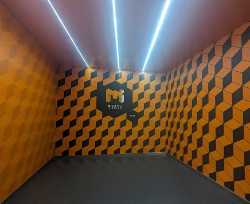
 of Illusions Split
Museum
Museum of Illusions Split
 Museum
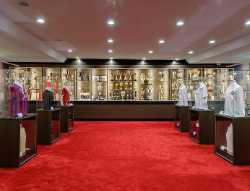
Hajduk Split Stadium Tour & Museum
Museum
Hajduk Split Stadium Tour & Museum
 Stadium
Diocletian's Palace
Stadium
Diocletian's Palace
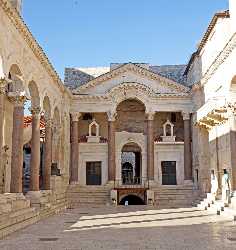 Historical Landmark
Cathedral of Saint Domnius
Historical Landmark
Cathedral of Saint Domnius
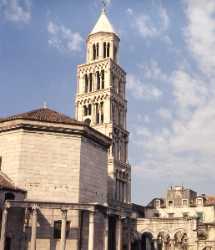 Cathedral
Church of St. Francis
Cathedral
Church of St. Francis
 Church
 of Our Lady of the Bell Tower
Church
Church of Our Lady of the Bell Tower
 Church
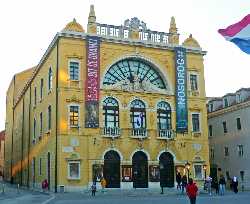
Croatian National Theatre in Split
Church
Croatian National Theatre in Split
 Theatre
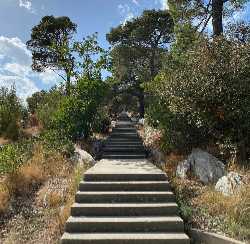
Marjan Forest Park
Theatre
Marjan Forest Park
 Park
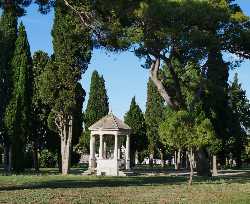
Sustipan Park
Park
Sustipan Park
 Park
Park