Museum of Fine Arts
Museum of Fine Arts Split is one of the city’s most refined cultural spaces, offering a clear, elegant overview of Croatian art from the medieval period to contemporary experimentation. Founded in 1931, it grew from private collections and civic initiatives that aimed to preserve Dalmatia’s artistic heritage. One of the most interesting facts is that the museum holds works by Vlaho Bukovac, Croatia’s most celebrated painter, whose vibrant colours and modern sensibility shaped national art at the turn of the 20th century. Inside, the medieval and Renaissance rooms display altarpieces, icons, and carved wooden panels that reveal Dalmatia’s blend of Venetian and local influences. These early works set the tone for the museum’s narrative: art as a dialogue between coastal trade routes and inland traditions. The 19th‑century section features portraits, landscapes, and seascapes that capture the Adriatic’s atmosphere with remarkable precision. Modern and contemporary galleries introduce bold shifts—abstract compositions, experimental sculpture, and conceptual installations that reflect Croatia’s artistic evolution through turbulent historical periods.
Split Croatia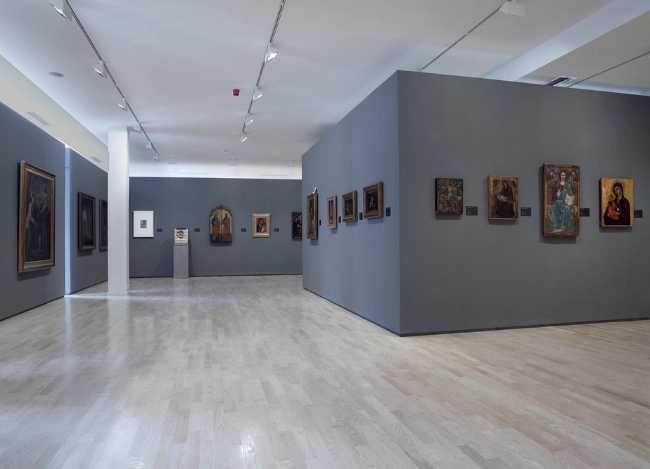
The Museum of Fine Arts is located in the center of Split, Croatia, just north of Diocletian’s Palace near the Golden Gate. It is housed in the former 18th-century city hospital building, a stately stone structure that was adapted for museum use. Established in 1931, it is the main institution for visual arts in Split and the Dalmatian region. The museum’s collection spans from the 14th century to contemporary art, with a strong focus on Croatian artists. You’ll find religious icons, Renaissance and Baroque paintings, 19th-century landscapes, and major works by modern masters like Vlaho Bukovac, Emanuel Vidović, and Ivan Meštrović. Sculpture, graphics, and temporary exhibitions of contemporary art are also shown, giving a full overview of the region’s artistic development alongside select international pieces. Step outside and you’re immediately next to key sights. The Golden Gate, the main northern entrance to Diocletian’s Palace, and the large Grgur Ninski statue are right by the museum. From there it’s a short walk into the UNESCO-listed palace complex with its Peristyle, Cathedral of St. Domnius and bell tower, Temple of Jupiter, and Roman cellars. The Riva promenade along the harbor, the National Theatre, and the lively Pazar market are also nearby. Marjan Forest Park with its viewpoints and beaches is within walking distance.
 Museum
Croatian Maritime Museum
Museum
Croatian Maritime Museum
 Museum
Split Ethnographic Museum
Museum
Split Ethnographic Museum
 Museum
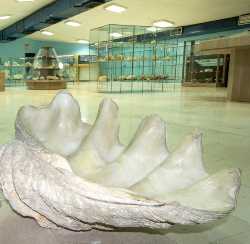
Split Natural History Museum
Museum
Split Natural History Museum
 Museum
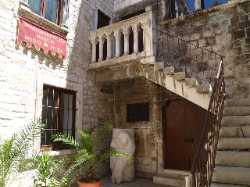
Split City Museum
Museum
Split City Museum
 Museum
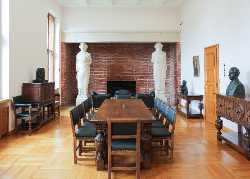
Meštrović Gallery
Museum
Meštrović Gallery
 Museum
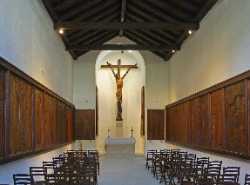
Meštrovićeve Crikvine – Kaštilac
Museum
Meštrovićeve Crikvine – Kaštilac
 Museum
Game of Thrones Museum
Museum
Game of Thrones Museum
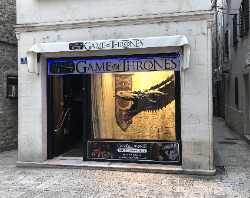 Museum
Froggyland
Museum
Froggyland
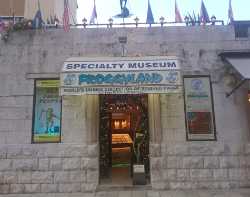 Museum
 of Illusions Split
Museum
Museum of Illusions Split
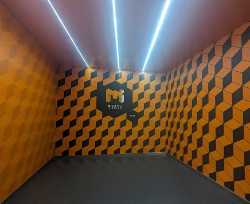 Museum
Hajduk Split Stadium Tour & Museum
Museum
Hajduk Split Stadium Tour & Museum
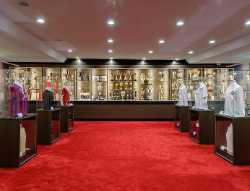 Stadium
Diocletian's Palace
Stadium
Diocletian's Palace
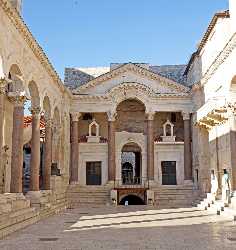 Historical Landmark
Cathedral of Saint Domnius
Historical Landmark
Cathedral of Saint Domnius
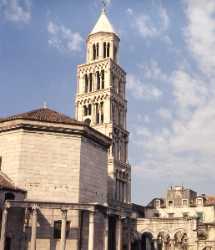 Cathedral
Church of St. Francis
Cathedral
Church of St. Francis
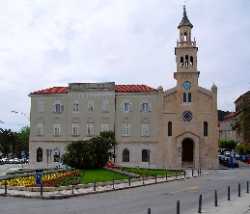 Church
 of Our Lady of the Bell Tower
Church
Church of Our Lady of the Bell Tower
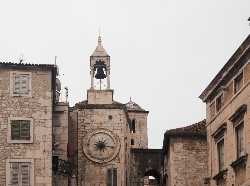 Church
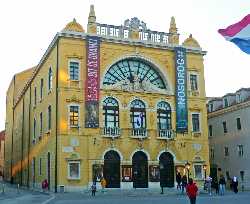
Croatian National Theatre in Split
Church
Croatian National Theatre in Split
 Theatre
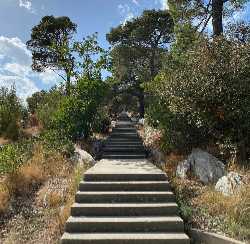
Marjan Forest Park
Theatre
Marjan Forest Park
 Park
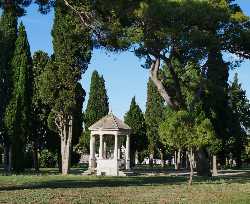
Sustipan Park
Park
Sustipan Park
 Park
Park