Split Natural History Museum
Split’s Natural History Museum is a quiet gem for anyone curious about Dalmatia’s landscapes, wildlife, and geological past. Founded in the late 19th century, it reflects a period when scientists first began systematically studying the Adriatic coast. One of the most interesting facts is that the museum once operated a small zoological garden, making it an early centre of public natural education in Split. Inside, the museum offers a compact but engaging collection. The geology section presents fossils, minerals, and rock formations that explain how Dalmatia’s dramatic coastline was shaped. Fossils of ancient marine creatures highlight the region’s long connection to the sea. The zoological exhibits include birds, reptiles, and marine species native to the Adriatic. These displays show how Split’s surrounding habitats—from coastal shallows to inland karst—support remarkably diverse wildlife. A highlight is the collection of Adriatic fish species, preserved to illustrate traditional fishing culture and ecological change.
Split Croatia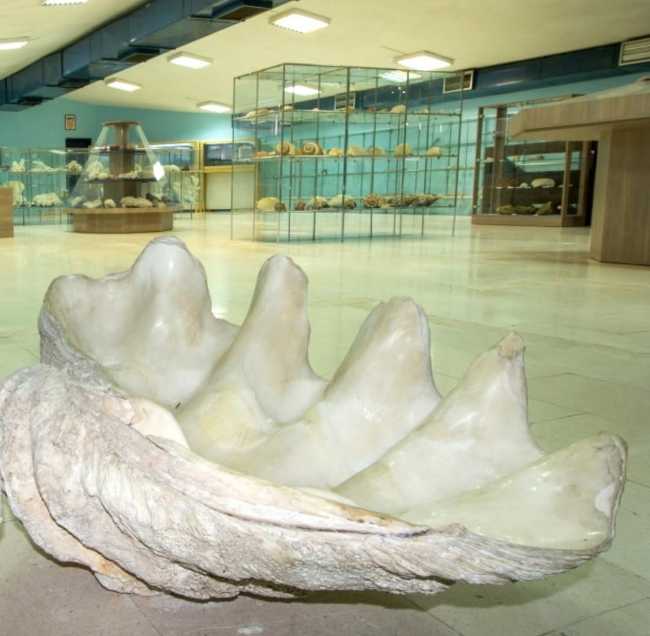
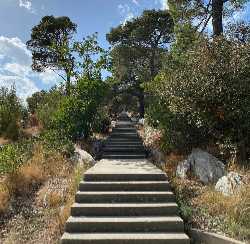
The Split Natural History Museum is located at Poljana kneza Trpimira 3, 21000, Split, Croatia, set on the slopes of Marjan hill just west of the historic city center. Housed in a historic villa surrounded by Mediterranean gardens, the museum sits at the edge of Marjan Forest Park, giving it a quiet location above the city while still within easy walking distance of the old town. Founded in 1924, the museum presents the natural heritage of Dalmatia and the Adriatic. Its collections cover geology, paleontology, marine biology, and botany, with fossils, minerals, seashells, and preserved animal specimens from the region. Exhibitions explain the formation of the Dinaric karst landscape, the biodiversity of the Adriatic Sea, and the plant life of the coastal hills. An aquarium section highlights local marine species and is especially popular with families. Right outside, Marjan Forest Park offers pine-shaded walking and cycling paths, scenic viewpoints over Split and the islands, and beaches like Kasjuni and Bene. From the museum it’s a short walk down to Diocletian’s Palace, a UNESCO World Heritage site with Roman cellars, the Peristyle, Cathedral of St. Domnius, and lively squares. The Riva promenade, Mestrovic Gallery, and the Archaeological Museum are also nearby.
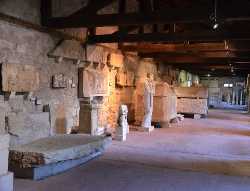 Museum
Croatian Maritime Museum
Museum
Croatian Maritime Museum
 Museum
Split Ethnographic Museum
Museum
Split Ethnographic Museum
 Museum
Split City Museum
Museum
Split City Museum
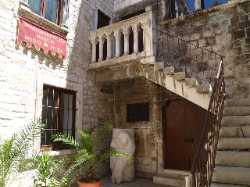 Museum
 of Fine Arts
Museum
Museum of Fine Arts
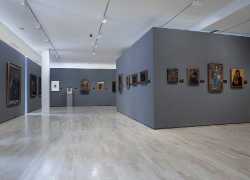 Museum
Meštrović Gallery
Museum
Meštrović Gallery
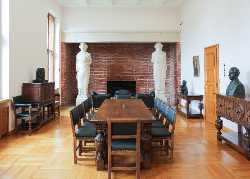 Museum
Meštrovićeve Crikvine – Kaštilac
Museum
Meštrovićeve Crikvine – Kaštilac
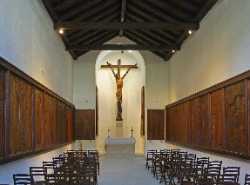 Museum
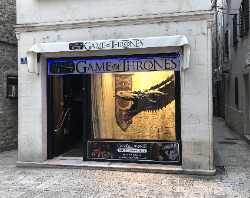
Game of Thrones Museum
Museum
Game of Thrones Museum
 Museum
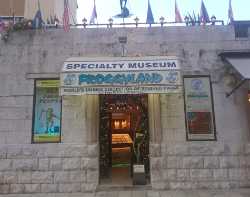
Froggyland
Museum
Froggyland
 Museum
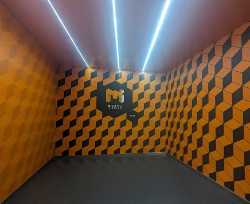
 of Illusions Split
Museum
Museum of Illusions Split
 Museum
Hajduk Split Stadium Tour & Museum
Museum
Hajduk Split Stadium Tour & Museum
 Stadium
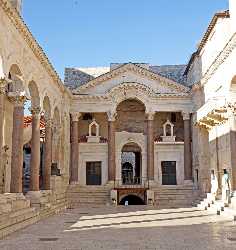
Diocletian's Palace
Stadium
Diocletian's Palace
 Historical Landmark
Cathedral of Saint Domnius
Historical Landmark
Cathedral of Saint Domnius
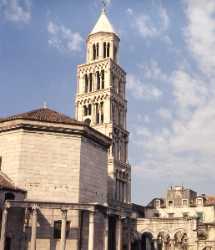 Cathedral
Church of St. Francis
Cathedral
Church of St. Francis
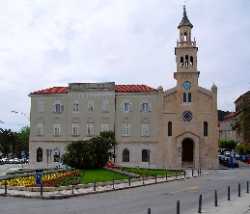 Church
 of Our Lady of the Bell Tower
Church
Church of Our Lady of the Bell Tower
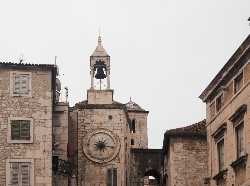 Church
Croatian National Theatre in Split
Church
Croatian National Theatre in Split
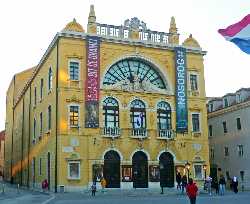 Theatre
Marjan Forest Park
Theatre
Marjan Forest Park
 Park
Sustipan Park
Park
Sustipan Park
 Park
Park