Church of St. Constantine and Helena
Church of St. Constantine and Helena is one of Plovdiv’s oldest active churches, standing on the site of a 4th‑century sanctuary founded soon after Christianity became legal in the Roman Empire. The present building dates to 1832, rebuilt by local craftsmen after earlier structures were destroyed. One of its most interesting facts is that it served as a spiritual anchor for the Old Town’s Christian community during periods of political and cultural change. Inside, the church is known for its magnificent iconostasis—a towering wooden screen carved with floral motifs and gilded details. Its icons were painted by masters from the Debar School, whose vivid colours and expressive faces give the interior a warm, luminous character. The frescoes covering the walls and dome depict scenes from the New Testament, arranged in a clear narrative that guides visitors through the space. Another highlight is the collection of historic icons preserved from earlier centuries, some brought from nearby monasteries. Their darker tones and simpler lines contrast beautifully with the later Revival‑era works. The church’s courtyard, enclosed by stone walls, offers a quiet pause before stepping back into the Old Town’s winding streets.
Plovdiv Bulgaria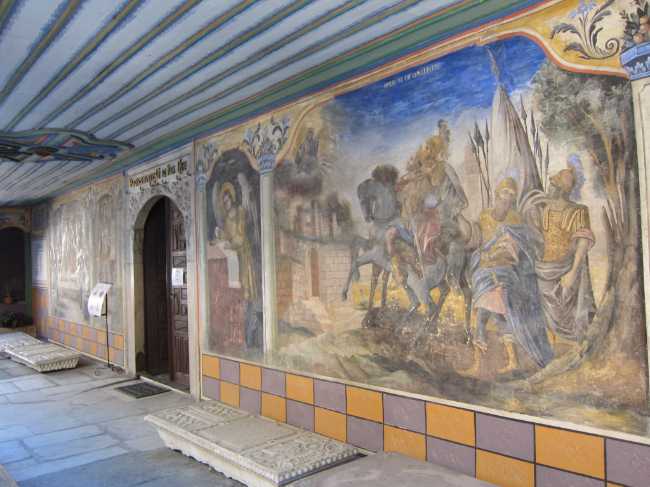
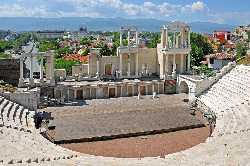
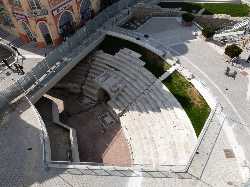
The Church of St. Constantine and Helena is located right in the Old Town of Plovdiv, at 24 Saborna Street, 4000 Plovdiv, Bulgaria, just behind Hisar Kapia Gate. It is the oldest church in Plovdiv and one of the most beloved, built in 1832 on the site of an earlier church from the 4th century dedicated to Emperor Constantine and his mother Helena. Inside you will see a beautifully painted iconostasis and icons by master Zahari Zograf. The location is fantastic for a walk through history. You are on the main Old Town street, so just steps away you have the Regional Ethnographic Museum in the Kuyumdzhioglu House, plus the Balabanov House, Hindliyan House, Lamartine House and Nedkovich House, all stunning Revival mansions turned into museums. Right nearby are the Zlatyu Boyadzhiev Permanent Exhibition and Philippopolis Art Gallery and Museum, also on Saborna Street. A few minutes further you reach the Ancient Theatre of Philippopolis still used for concerts, and Nebet Tepe Fortress with its ancient walls and great panorama over the city. Downhill you get to the Ancient Stadium of Philippopolis under the main pedestrian street, the City Art Gallery and the Regional Archaeological Museum.
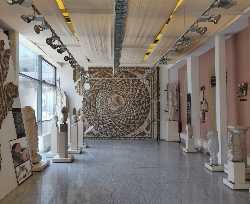 Museum
Regional Ethnographic Museum Plovdiv
Museum
Regional Ethnographic Museum Plovdiv
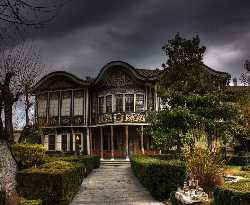 Museum
Regional Museum of Natural History
Museum
Regional Museum of Natural History
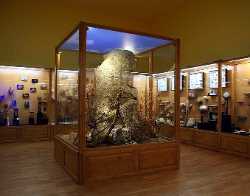 Museum
Aviation Museum Plovdiv
Museum
Aviation Museum Plovdiv
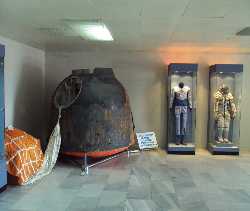 Museum
House-Museum of Hristo G. Danov
Museum
House-Museum of Hristo G. Danov
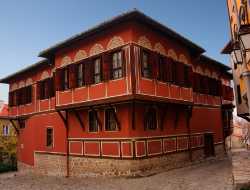 Museum
Hindliyan House
Museum
Hindliyan House
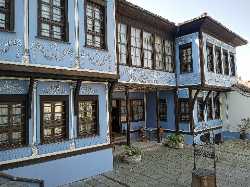 Museum
Nedkovich House
Museum
Nedkovich House
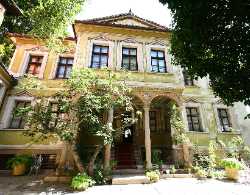 Museum
City Art Gallery
Museum
City Art Gallery
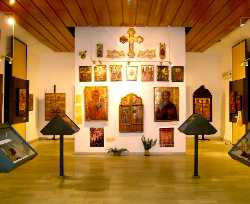 Gallery
Philippopolis Art Gallery and Museum
Gallery
Philippopolis Art Gallery and Museum
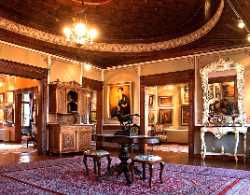 Museum
Zlatyu Boyadzhiev Permanent Exhibition
Museum
Zlatyu Boyadzhiev Permanent Exhibition
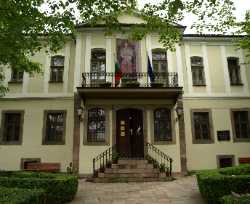 Museum
Nebet Tepe Fortress
Museum
Nebet Tepe Fortress
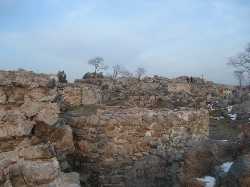 Historical Landmark
Ancient Theatre of Philippopolis
Historical Landmark
Ancient Theatre of Philippopolis
 Historical Landmark
Ancient Stadium of Philipopolis
Historical Landmark
Ancient Stadium of Philipopolis
 Historical Landmark
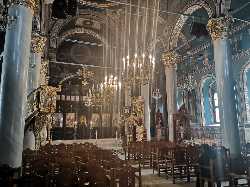
Church of St. Marina
Historical Landmark
Church of St. Marina
 Church
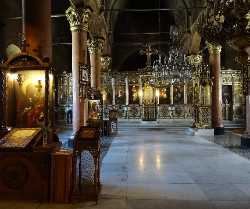
"Sveta Bogoroditsa" Church
Church
"Sveta Bogoroditsa" Church
 Church
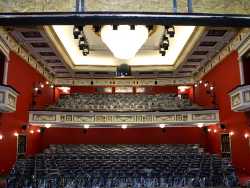
Drama Theatre Plovdiv
Church
Drama Theatre Plovdiv
 Theatre
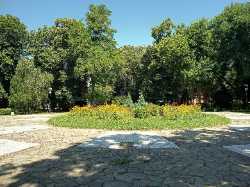
Dondukova Garden
Theatre
Dondukova Garden
 Park
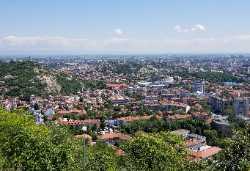
Bunardzhik Hill
Park
Bunardzhik Hill
 Park
Park