Kunsthaus Graz
Kunsthaus Graz, affectionately known as the “Friendly Alien,” is one of Austria’s most distinctive contemporary art spaces. Designed by Peter Cook and Colin Fournier for Graz’s year as European Capital of Culture in 2003, its biomorphic, blue‑acrylic façade stands in bold contrast to the surrounding Baroque and Renaissance buildings. At night, the exterior becomes a glowing media surface thanks to its BIX façade, a programmable matrix of light that turns the building itself into an artwork. Inside, the museum offers fluid, open exhibition spaces without traditional right angles, encouraging visitors to move intuitively through installations, sculptures, and multimedia works. The focus is on contemporary art from the 1960s to today, with rotating exhibitions that often explore social, political, and technological themes. Because the interior has few fixed walls, each exhibition transforms the space in surprising ways. A highlight is the Needle, a glass viewing corridor that projects toward the Mur River, offering panoramic views of the city and Schlossberg. The building’s rooftop “nozzles” also channel natural light into the galleries, creating an ever‑changing atmosphere.
Graz Austria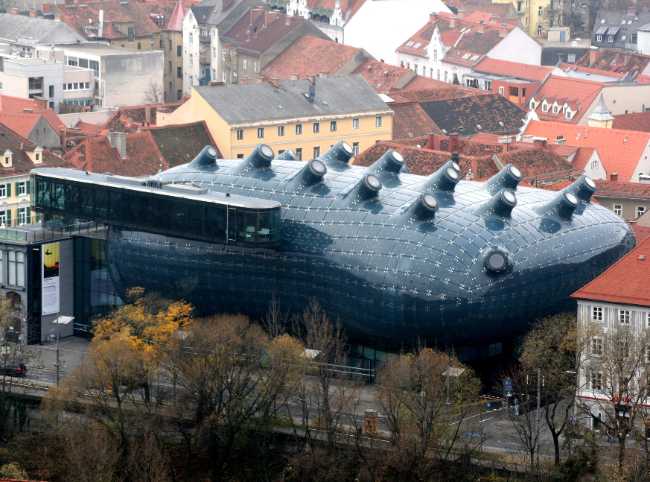
The Kunsthaus Graz, also known as the Graz Art Museum or “Friendly Alien,” is located at Lendkai 1, 8020 Graz, Austria, on the right bank of the River Mur in the Lend district, just south of Graz’s historic inner city and close to the Eisernes Haus (Iron House). Because the Kunsthaus is near the River Mur and the historic center, you can easily reach many of Graz’s top sights on foot or by tram. Very close by is the Eisernes Haus (Iron House), a nearly forgotten cast-iron construction built by Graz architect Josef Benedict Withalm in 1848, which is a short walk from the museum. The Murinsel (Island in the Mur), a unique floating platform with a café and amphitheater, is also nearby on the river, and the Schlossberg (Castle Hill) with the famous Clock Tower (Uhrturm) is within walking distance. From the Kunsthaus, you can walk or take Tram Line 1 to the Styrian Armoury (Landeszeughaus), the world’s largest historic armoury, which is fairly close to the Glockenspiel, and to the Landhaushof (Landhaus Courtyard). Graz Cathedral (Grazerdom), the Mausoleum of Emperor Ferdinand II, and the Burg (Castellum) with the Double Spiral Staircase are also easily accessible. Eggenberg Palace, with its Alte Galerie, Archaeology Museum, Coin Cabinet, and a magnificent park, is reachable by Tram Line 1, making the Kunsthaus Graz an excellent starting point for exploring the city’s rich cultural and historical heritage.
 Museum
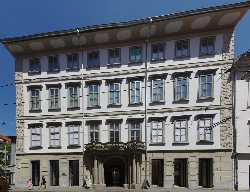
Graz Museum Schlossberg
Museum
Graz Museum Schlossberg
 Museum
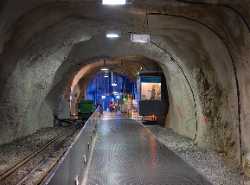
Styrian Armory
Museum
Styrian Armory
 Museum
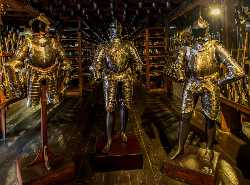
Joanneumsviertel
Museum
Joanneumsviertel
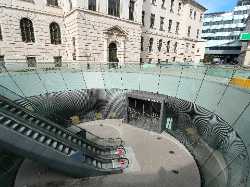 Museum
 für Geschichte
Museum
Museum für Geschichte
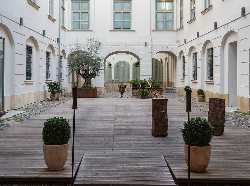 Museum
Schell Collection
Museum
Schell Collection
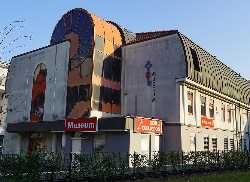 Museum
FRida & freD
Museum
FRida & freD
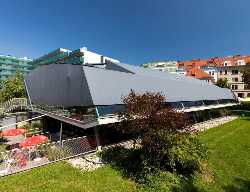 Museum
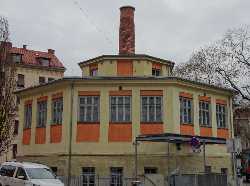
 der Wahrnehmung
Museum
Museum der Wahrnehmung
 Museum
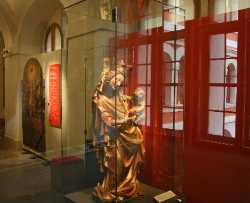
Diözesanmuseum
Museum
Diözesanmuseum
 Museum
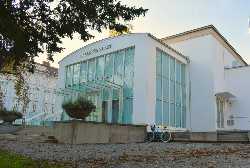
HALLE FÜR KUNST Steiermark
Museum
HALLE FÜR KUNST Steiermark
 Museum
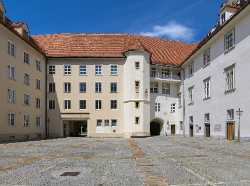
Grazer Burg
Museum
Grazer Burg
 Castle
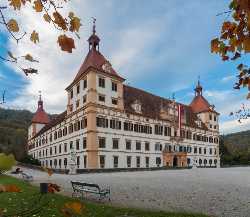
Schloss Eggenberg
Castle
Schloss Eggenberg
 Palace
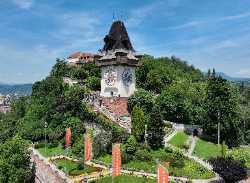
Uhrturm
Palace
Uhrturm
 Historical Landmark
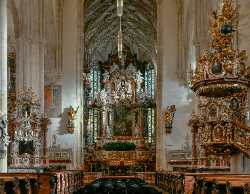
Graz Cathedral
Historical Landmark
Graz Cathedral
 Cathedral
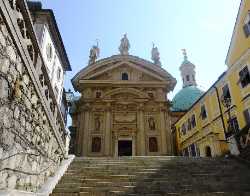
Mausoleum of Emperor Ferdinand II
Cathedral
Mausoleum of Emperor Ferdinand II
 Historical Landmark
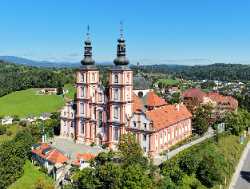
Basilika Mariatrost
Historical Landmark
Basilika Mariatrost
 Church
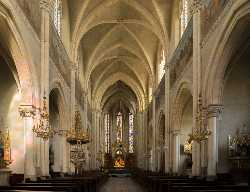
Herz-Jesu-Kirche
Church
Herz-Jesu-Kirche
 Church
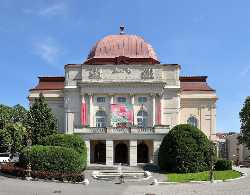
Graz Opera House
Church
Graz Opera House
 Opera House
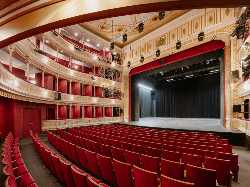
Schauspielhaus Graz
Opera House
Schauspielhaus Graz
 Theatre
Stadtpark Graz
Theatre
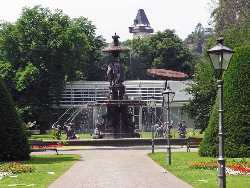
Stadtpark Graz
 Park
University of Graz Botanical Garden
Park
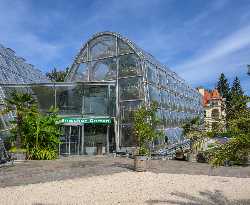
University of Graz Botanical Garden
 Botanical Garden