Graz Opera House
Graz Opera House, completed in 1899, is one of Austria’s finest historic theatres and a showcase of late‑historicist grandeur. Designed by the celebrated Viennese duo Fellner & Helmer, who built more than 40 theatres across Europe, it combines Baroque opulence with elegant neo‑Renaissance detail. Its façade, crowned with allegorical figures of music and drama, reflects the cultural confidence of a rapidly modernising Graz at the turn of the century. Inside, the auditorium is a spectacle of red velvet, gold ornament, and sweeping balconies. The ceiling fresco by Heinrich von Angeli adds a soft, celestial glow, while the grand chandelier anchors the room with imperial splendour. The acoustics are renowned, making the opera house a favourite among international singers and conductors. Visitors can admire the richly decorated foyer, marble staircases, and stucco reliefs that celebrate the performing arts. The programme spans opera, ballet, and operetta, with both classical repertoire and contemporary productions. Backstage tours reveal the complex machinery, costume workshops, and stage technology that bring each performance to life.
Graz Austria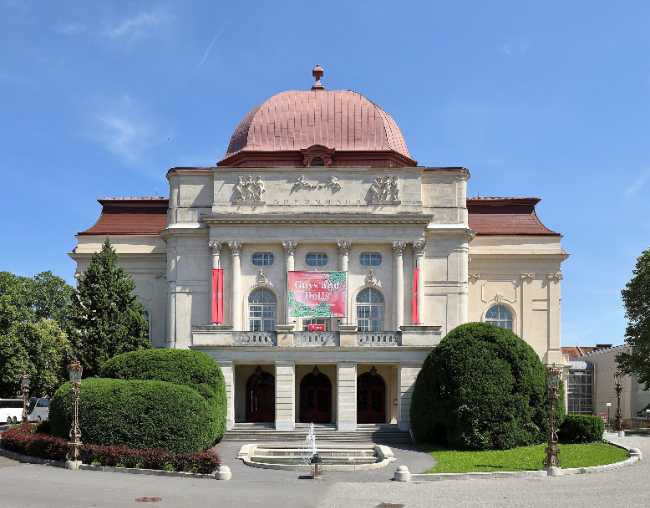
The Graz Opera House (Oper Graz) is the second-largest opera house in Austria after the Wiener Staatsoper, located at Kaiser-Josef-Platz 10 in the Innere Stadt (city center) along the Ringstraße that skirts the historic old town. Built in the Neo-Baroque style by Viennese architects Fellner & Helmer as Graz’s city theatre, it opened in 1899 and is now a splendid stage for breathtaking musical theatre, ballet, and opera productions. The Opera House is easily accessible by tram lines 1 and 7 (stop Kaiser-Josef-Platz / Opernhaus) or by buses 30, 31, and 39. There is limited parking nearby, but visitors can use the BOE Parkgarage at Opernring (entrance Hamerlinggasse), which offers discounted tickets for opera guests. Right next to the imposing white building on the Ringstraße stands the sculpture “Lichtschwert,” which symbolizes the protection of human rights and contrasts agitatingly with the neighbouring Opera House, reflecting Graz’s cultural awareness. On the square itself you can find the Bauernmarkt (farmers’ market), the Rosariumbrunnen fountain, and the Mariensäule (Marien column). Walking from the Opera House, you are already in the heart of the UNESCO World Heritage historical city center. Nearby attractions include Graz Cathedral and the Mausoleum of Emperor Ferdinand II just across the road, Grazer Burg (Graz Castle) with its famous Double Spiral Staircase, and the Landeszeughaus (Styrian Armoury).
 Museum
Graz Museum Schlossberg
Museum
Graz Museum Schlossberg
 Museum
Styrian Armory
Museum
Styrian Armory
 Museum
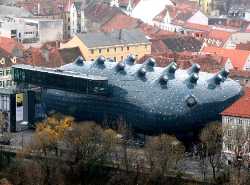
Kunsthaus Graz
Museum
Kunsthaus Graz
 Museum
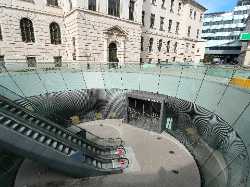
Joanneumsviertel
Museum
Joanneumsviertel
 Museum
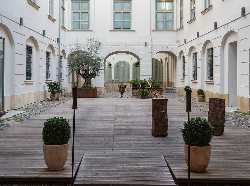
 für Geschichte
Museum
Museum für Geschichte
 Museum
Schell Collection
Museum
Schell Collection
 Museum
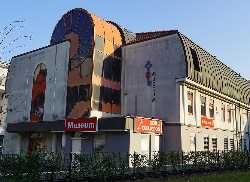
FRida & freD
Museum
FRida & freD
 Museum
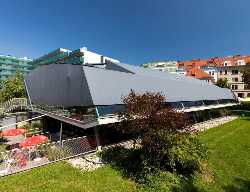
 der Wahrnehmung
Museum
Museum der Wahrnehmung
 Museum
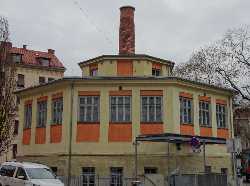
Diözesanmuseum
Museum
Diözesanmuseum
 Museum
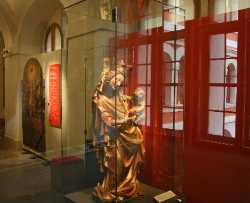
HALLE FÜR KUNST Steiermark
Museum
HALLE FÜR KUNST Steiermark
 Museum
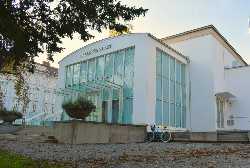
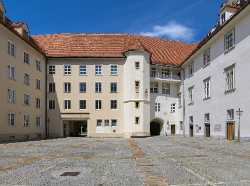
Grazer Burg
Museum
Grazer Burg
 Castle
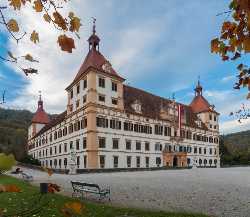
Schloss Eggenberg
Castle
Schloss Eggenberg
 Palace
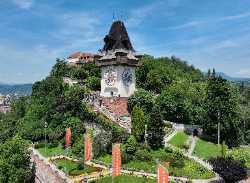
Uhrturm
Palace
Uhrturm
 Historical Landmark
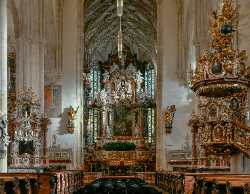
Graz Cathedral
Historical Landmark
Graz Cathedral
 Cathedral
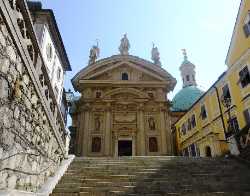
Mausoleum of Emperor Ferdinand II
Cathedral
Mausoleum of Emperor Ferdinand II
 Historical Landmark
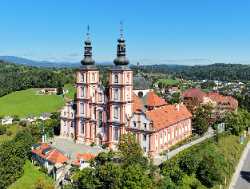
Basilika Mariatrost
Historical Landmark
Basilika Mariatrost
 Church
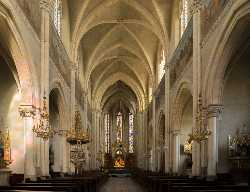
Herz-Jesu-Kirche
Church
Herz-Jesu-Kirche
 Church
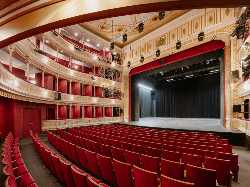
Schauspielhaus Graz
Church
Schauspielhaus Graz
 Theatre
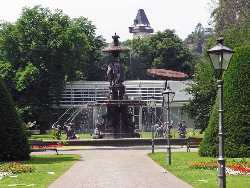
Stadtpark Graz
Theatre
Stadtpark Graz
 Park
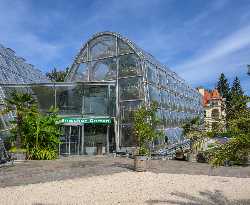
University of Graz Botanical Garden
Park
University of Graz Botanical Garden
 Botanical Garden