Grazer Burg
Grazer Burg, the former residence of the Inner Austrian rulers, is one of Graz’s most historically layered landmarks. Although much of the medieval fortress has disappeared, the remaining complex still reflects centuries of political power, architectural ambition, and quiet courtly life. Its most famous feature—the double spiral staircase from around 1499—has become a symbol of Graz, a late‑Gothic masterpiece where two stairways intertwine so elegantly that they appear to float. Often called the “stairs of reconciliation,” it was likely designed to manage palace traffic, yet today it feels almost poetic. Inside the accessible areas, visitors can explore the Renaissance courtyards, arcades, and preserved palace wings that reveal how the Habsburgs shaped the residence over time. The Knight’s Hall, with its wooden ceiling and heraldic décor, hints at the ceremonial life once held within these walls. Elements of the former chapel and administrative rooms also survive, offering glimpses into the Burg’s role as both a seat of governance and a private home.
Graz Austria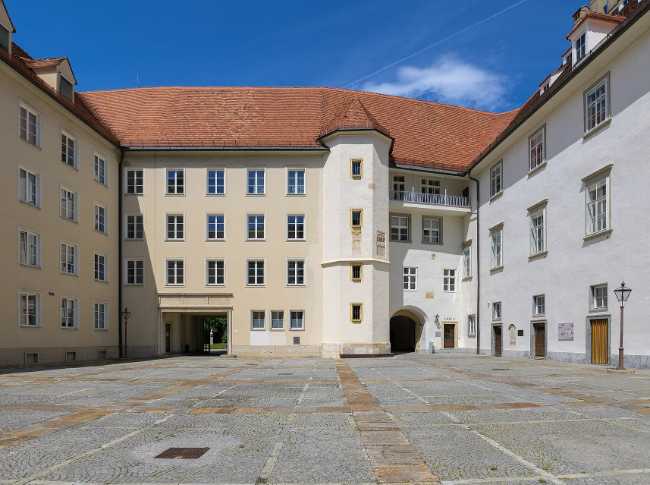
Grazer Burg (Graz Castle) is a historic fortress located in the heart of Graz’s Old Town at Hofgasse 15 in the Jakomini district. It is the seat of the Provincial Governor of Styria and is especially famous for its stunning late Gothic Double Spiral Staircase and its courtyard lined with busts. The castle sits on the edge of Stadtpark, just below Schlossberg hill, making it a convenient starting point for exploring Graz’s main attractions. Directly nearby is Graz Cathedral (Domkirche) and the impressive Mausoleum of Ferdinand II, both part of the city’s imperial heritage. The Burg & Double Spiral Staircase is located on the opposite side from the cathedral, so these sites are easily visited together. A short walk leads to the Glockenspielplatz square and the Landeszeughaus (Styrian Armoury), one of Europe’s largest historic armour collections. Hauptplatz (Main Square), Franziskanerkirche, and the Renaissance Landhaus are also within easy walking distance. From here, you can reach the Murinsel island on the Mur River, the striking blue Kunsthaus Graz, and the Schlossberg hill with its famous Clock Tower (Uhrturm) quickly. Artists’ venues like Künstlerhaus Graz and the public gardens of Stadtpark are similarly close, making Grazer Burg an ideal hub for a cultural tour of the city.
 Museum
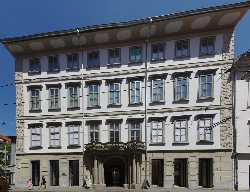
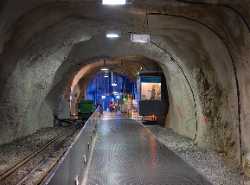
Graz Museum Schlossberg
Museum
Graz Museum Schlossberg
 Museum
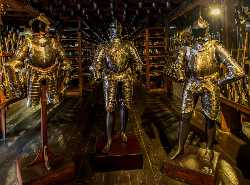
Styrian Armory
Museum
Styrian Armory
 Museum
Kunsthaus Graz
Museum
Kunsthaus Graz
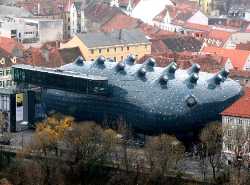 Museum
Joanneumsviertel
Museum
Joanneumsviertel
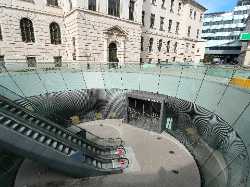 Museum
 für Geschichte
Museum
Museum für Geschichte
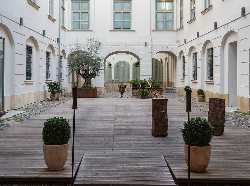 Museum
Schell Collection
Museum
Schell Collection
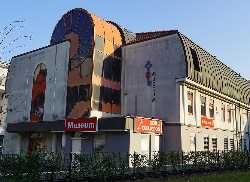 Museum
FRida & freD
Museum
FRida & freD
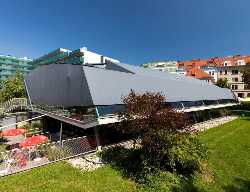 Museum
 der Wahrnehmung
Museum
Museum der Wahrnehmung
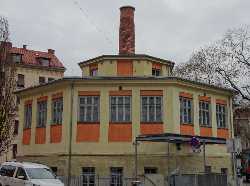 Museum
Diözesanmuseum
Museum
Diözesanmuseum
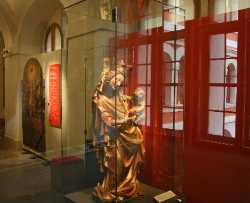 Museum
HALLE FÜR KUNST Steiermark
Museum
HALLE FÜR KUNST Steiermark
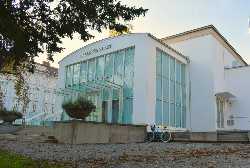 Museum
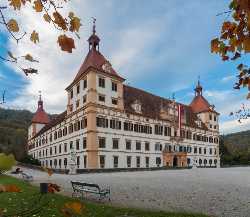
Schloss Eggenberg
Museum
Schloss Eggenberg
 Palace
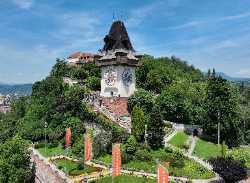
Uhrturm
Palace
Uhrturm
 Historical Landmark
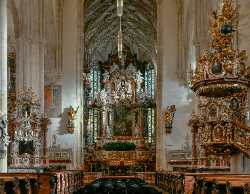
Graz Cathedral
Historical Landmark
Graz Cathedral
 Cathedral
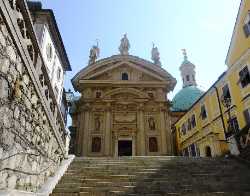
Mausoleum of Emperor Ferdinand II
Cathedral
Mausoleum of Emperor Ferdinand II
 Historical Landmark
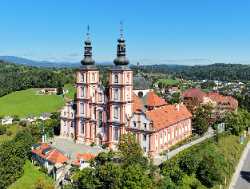
Basilika Mariatrost
Historical Landmark
Basilika Mariatrost
 Church
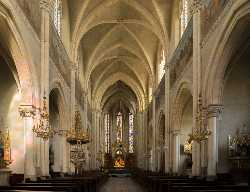
Herz-Jesu-Kirche
Church
Herz-Jesu-Kirche
 Church
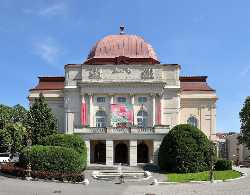
Graz Opera House
Church
Graz Opera House
 Opera House
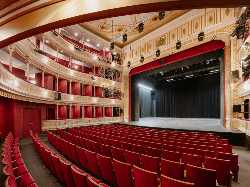
Schauspielhaus Graz
Opera House
Schauspielhaus Graz
 Theatre
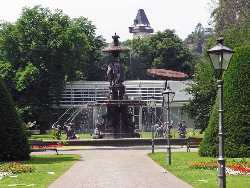
Stadtpark Graz
Theatre
Stadtpark Graz
 Park
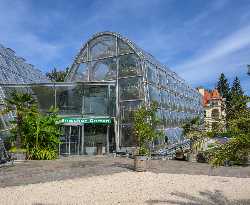
University of Graz Botanical Garden
Park
University of Graz Botanical Garden
 Botanical Garden