Graz Cathedral
Graz Cathedral, also known as the Cathedral of St. Giles, is one of the city’s most atmospheric sacred buildings, shaped by imperial ambition and centuries of devotion. Built in the mid‑15th century under Emperor Frederick III, it originally formed part of a vast court complex that included the Burg. Its exterior may appear restrained, but the interior reveals a rich blend of Gothic structure and Baroque splendour. Inside, the eye is immediately drawn to the high altar, a luminous Baroque composition framed by gilded sculpture and soft, glowing colours. The cathedral’s most famous artwork is the Gottesplagenbild, a late‑medieval fresco depicting three calamities—locusts, the Turks, and the Black Death—interpreted as divine warnings. This rare survival offers a vivid window into the fears and beliefs of the 1480s. The choir stalls, carved with expressive Gothic detail, and the ornate side chapels reflect the influence of powerful local families. Stucco angels, marble altars, and painted vaults create a layered visual narrative that rewards slow looking. The cathedral also preserves relics, liturgical treasures, and memorials to Styrian bishops, each adding to its historical depth.
Graz Austria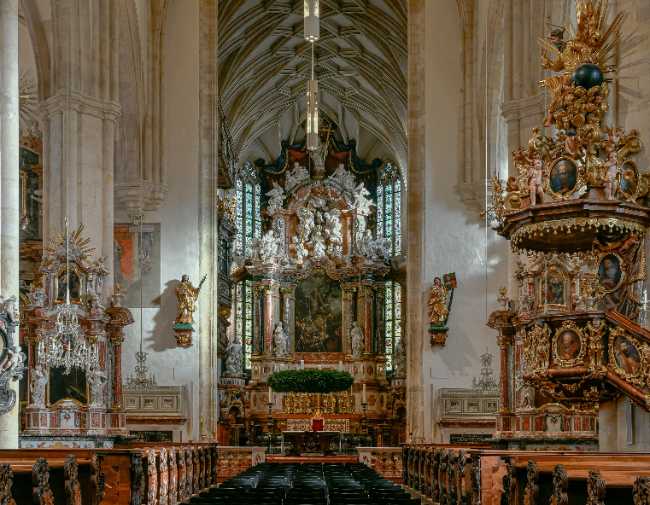
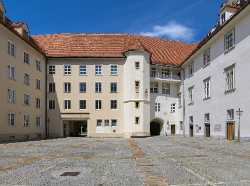
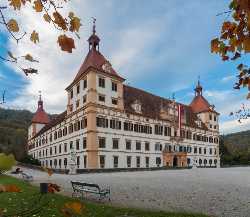
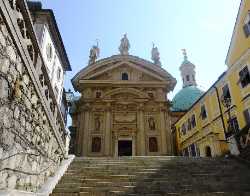
Graz Cathedral (also called St. Giles’ Cathedral or Graz Dom) is the Roman Catholic cathedral of the Diocese of Graz–Seckau. It is located at Burggasse 3 in Graz’s Innere Stadt (historic center), on an elevated area between Bürgergasse and Burggasse, making it a dominant landmark in the Old Town. Directly next to the cathedral is the Mausoleum of Emperor Ferdinand II, built from 1614 onward by the Italian architect Giovanni Pietro de Pomis. The mausoleum is open Tuesday to Sunday from April to December and offers free admission. Across the road from the cathedral stands Grazer Burg (Graz Castle), the residence built by Emperor Frederick III at the same time as the cathedral in the late 1400s, famous for its stunning Double Spiral Staircase. Just below Schlossberg and close to Graz Cathedral is Burggarten, a lovely park with fountains, a long water feature, and plenty of space to relax in warmer months. Walking downhill from the cathedral leads to Hauptplatz (Main Square), the Glockenspielplatz square, and the Landeszeughaus (Styrian Armoury), one of Europe’s largest historic armour collections. The futuristic Murinsel island on the Mur River, the striking blue Kunsthaus Graz (modern art museum), and Schloss Eggenberg Palace (a UNESCO World Heritage site) are all easily accessible.
 Museum
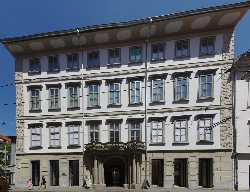
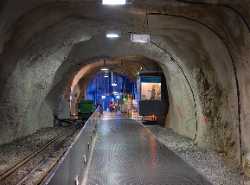
Graz Museum Schlossberg
Museum
Graz Museum Schlossberg
 Museum
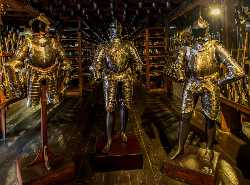
Styrian Armory
Museum
Styrian Armory
 Museum
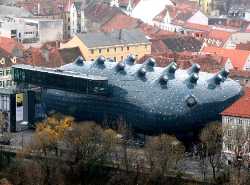
Kunsthaus Graz
Museum
Kunsthaus Graz
 Museum
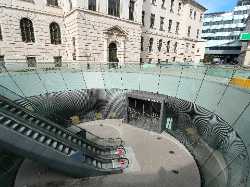
Joanneumsviertel
Museum
Joanneumsviertel
 Museum
 für Geschichte
Museum
Museum für Geschichte
 Museum
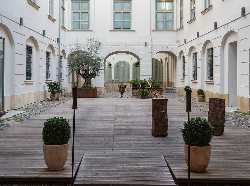
Schell Collection
Museum
Schell Collection
 Museum
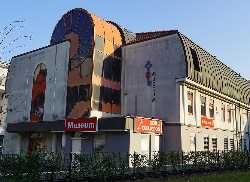
FRida & freD
Museum
FRida & freD
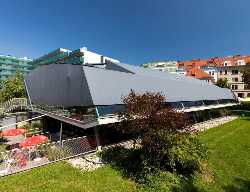 Museum
 der Wahrnehmung
Museum
Museum der Wahrnehmung
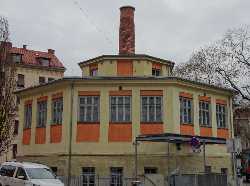 Museum
Diözesanmuseum
Museum
Diözesanmuseum
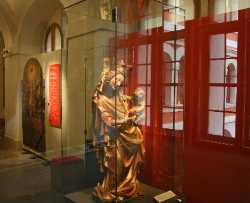 Museum
HALLE FÜR KUNST Steiermark
Museum
HALLE FÜR KUNST Steiermark
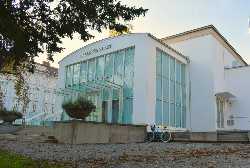 Museum
Grazer Burg
Museum
Grazer Burg
 Castle
Schloss Eggenberg
Castle
Schloss Eggenberg
 Palace
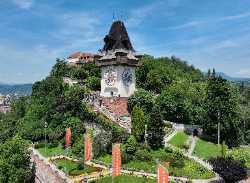
Uhrturm
Palace
Uhrturm
 Historical Landmark
Mausoleum of Emperor Ferdinand II
Historical Landmark
Mausoleum of Emperor Ferdinand II
 Historical Landmark
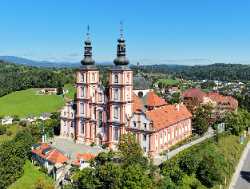
Basilika Mariatrost
Historical Landmark
Basilika Mariatrost
 Church
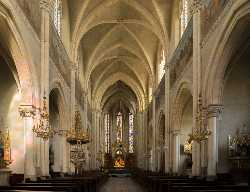
Herz-Jesu-Kirche
Church
Herz-Jesu-Kirche
 Church
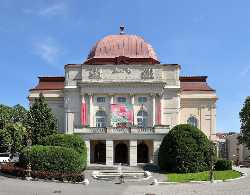
Graz Opera House
Church
Graz Opera House
 Opera House
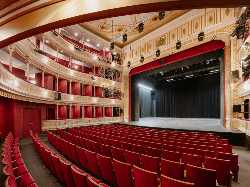
Schauspielhaus Graz
Opera House
Schauspielhaus Graz
 Theatre
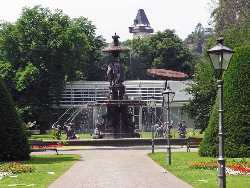
Stadtpark Graz
Theatre
Stadtpark Graz
 Park
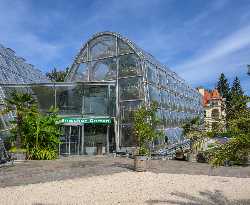
University of Graz Botanical Garden
Park
University of Graz Botanical Garden
 Botanical Garden