Muzeul de Etnografie Brașov
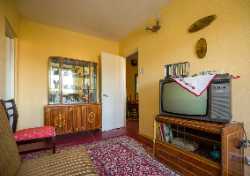
Muzeul de Etnografie Brașov offers one of the most vivid portraits of traditional life in southeastern Transylvania. Focused on the rural communities surrounding Brașov, it highlights how people worked, dressed, celebrated, and adapted to the region’s mountain landscape. The museum’s strength lies in its attention to detail: every textile, tool, and household object reveals a story about craftsmanship and identity. Inside, visitors encounter beautifully preserved folk costumes from Ţara Bârsei, Bran, and Rupea, each distinguished by unique embroidery patterns and colour symbolism. The weaving and textile section is particularly engaging, showing looms, wool‑processing tools, and decorative fabrics that once defined household pride. One of the most interesting features is the display of wooden objects—spoons, chests, carved icons—demonstrating the artistry of local carpenters. The museum also explores agricultural life through tools used for harvesting, shepherding, and cheese‑making, offering insight into centuries‑old practices that shaped the region’s economy. Seasonal customs appear in exhibits on weddings, winter traditions, and religious celebrations, illustrating how ritual and community structured rural life.
Brașov Romania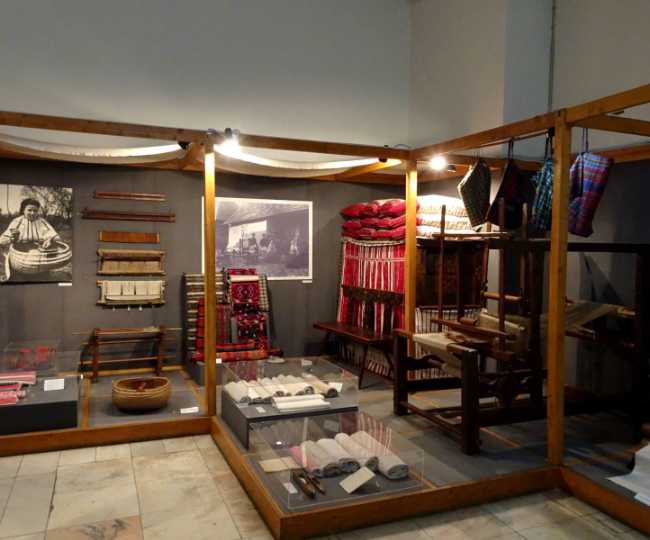
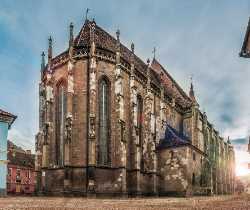
The Museum of Ethnography is located at Bulevardul Eroilor 21A in Brașov, in a historic building right next to the main park. Founded in 1990, it presents the traditional culture of southeastern Transylvania. The collection includes folk costumes from Țara Bârsei, painted icons on glass, ceramics, textiles, tools, and reconstructed interiors of peasant houses. Exhibits cover rural life, crafts, and customs of Romanians, Saxons, Hungarians, and Roma. You’re a 3-minute walk from Piața Sfatului, Brașov’s medieval main square. The square is framed by colorful baroque houses and anchored by the Casa Sfatului, the former town hall now a history museum. The Black Church, the largest Gothic church in Romania, stands on the square’s east side with its vast interior and oriental rug collection. Walk 5 minutes south to Strada Republicii, the main pedestrian street with cafes, shops, and 19th-century buildings. At the end you’ll reach Strada Sforii, one of Europe’s narrowest streets. Tâmpa Mountain rises behind the Old Town. Take the cable car from Aleea Tiberiu Brediceanu or hike up in 45 minutes for a panorama over Brașov and the Hollywood-style sign. Catherine’s Gate, the only original city gate remaining, is 7 minutes away, next to Schei Gate.
 Museum
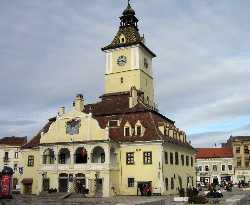
Muzeul Civilizației Urbane
Museum
Muzeul Civilizației Urbane
 Museum
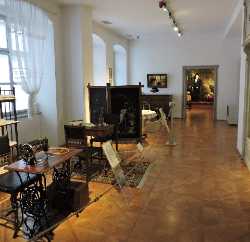
Muzeul de Artă Brașov
Museum
Muzeul de Artă Brașov
 Museum
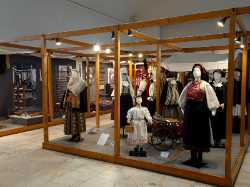
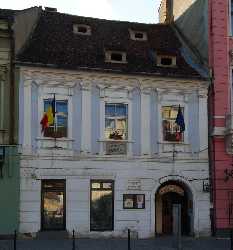
Casa Mureșenilor Museum
Museum
Casa Mureșenilor Museum
 Museum
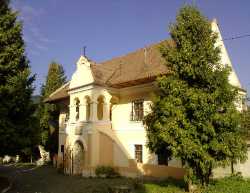
The First Romanian School Museum
Museum
The First Romanian School Museum
 Museum
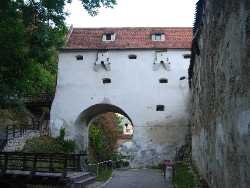
Graft Bastion
Museum
Graft Bastion
 Historical Landmark
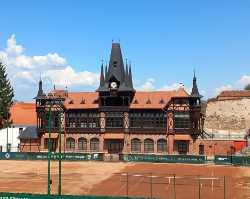
Olimpia-Muzeul Sportului și Turismului Montan
Historical Landmark
Olimpia-Muzeul Sportului și Turismului Montan
 Museum
Tales of Communism Museum
Museum
Tales of Communism Museum
 Museum
Weavers Bastion
Museum
Weavers Bastion
 Fortress
The Fortress on the Watchtower
Fortress
The Fortress on the Watchtower
 Fortress
Black Church
Fortress
Black Church
 Church
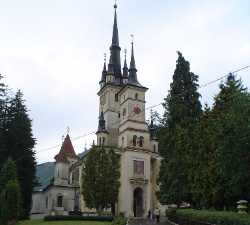
Saint Nicholas Church
Church
Saint Nicholas Church
 Church
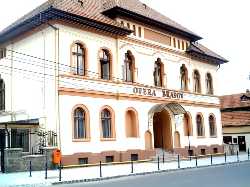
Opera Brașov
Church
Opera Brașov
 Opera House
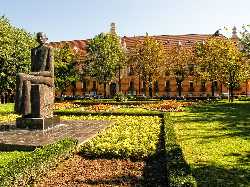
Nicolae Titulescu Park
Opera House
Nicolae Titulescu Park
 Park
Park