Casa Mureșenilor Museum
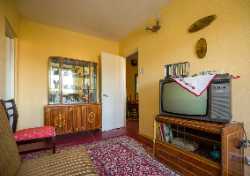
Casa Mureșenilor Museum is one of Brașov’s most atmospheric cultural landmarks, housed in the elegant 19th‑century residence of the Mureșianu family—writers, journalists, and public figures who shaped Romanian cultural life. The museum preserves their legacy through personal objects, manuscripts, and photographs that reveal how this influential family contributed to national identity and the development of modern Romanian press. Inside, visitors can explore rooms furnished in period style, offering a glimpse into bourgeois life in Brașov during the late 1800s. The newspaper and printing section is especially engaging: it highlights the role of Iacob and Andrei Mureșianu in founding Gazeta Transilvaniei, one of the most important Romanian newspapers of the era. Original printing tools, editorial documents, and early editions show how ideas circulated in a time of political and cultural awakening. One of the most interesting features is the collection dedicated to poet Andrei Mureșianu, author of the Romanian national anthem. His personal belongings and handwritten notes add an intimate dimension to the museum. Temporary exhibitions often explore literature, journalism, and Transylvanian cultural history, keeping the space lively and relevant.
Brașov Romania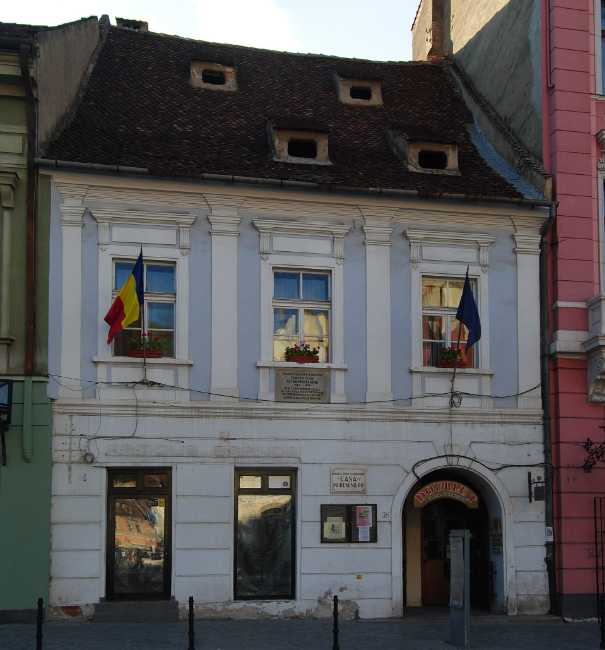
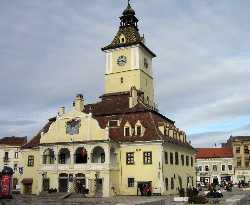
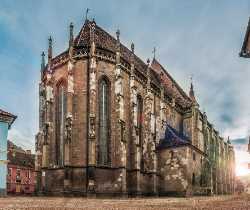
Casa Mureșenilor Museum is at Piața Sfatului 25, on the west side of Brașov’s Council Square. The house belonged to the Mureșianu family, important 19th-century cultural figures who published Gazeta de Transilvania, one of the first Romanian political newspapers. The museum recreates a bourgeois Transylvanian home from the 1800s, with period furniture, family portraits, documents, and a salon used for literary evenings. Exhibits also cover the press, national movements, and Brașov’s role in Romanian cultural life. You’re standing in Piața Sfatului, the medieval heart of Brașov. The Council House in the middle of the square hosts the Brașov County History Museum and its tower overlooks the colorful baroque facades. The Black Church is 1 minute away. The Gothic church from the 14th century has a vast interior, oriental carpets, and a famous organ with regular concerts. Walk 2 minutes to Strada Republicii, the main pedestrian street, for cafes, pastry shops, and 19th-century architecture. Turn south to find Strada Sforii, one of Europe’s narrowest streets at just over one meter wide. Tâmpa Mountain rises directly behind the square. Take the cable car near Aleea Tiberiu Brediceanu or hike up for views over the Old Town and the Brașov sign.
 Museum
Muzeul Civilizației Urbane
Museum
Muzeul Civilizației Urbane
 Museum
Muzeul de Artă Brașov
Museum
Muzeul de Artă Brașov
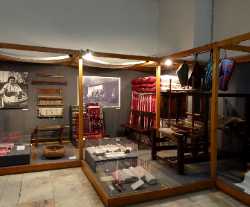
 Museum
Muzeul de Etnografie Brașov
Museum
Muzeul de Etnografie Brașov
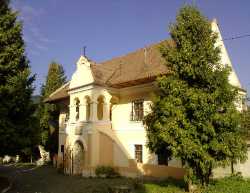
 Museum
The First Romanian School Museum
Museum
The First Romanian School Museum
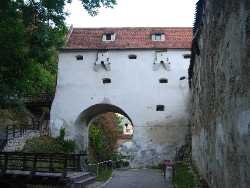
 Museum
Graft Bastion
Museum
Graft Bastion
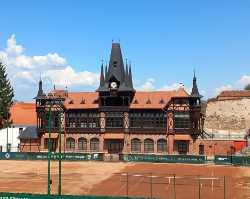
 Historical Landmark
Olimpia-Muzeul Sportului și Turismului Montan
Historical Landmark
Olimpia-Muzeul Sportului și Turismului Montan
 Museum
Tales of Communism Museum
Museum
Tales of Communism Museum
 Museum
Weavers Bastion
Museum
Weavers Bastion
 Fortress
The Fortress on the Watchtower
Fortress
The Fortress on the Watchtower
 Fortress
Black Church
Fortress
Black Church
 Church
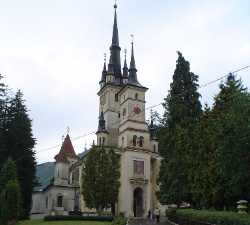
Saint Nicholas Church
Church
Saint Nicholas Church
 Church
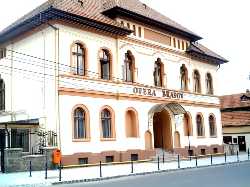
Opera Brașov
Church
Opera Brașov
 Opera House
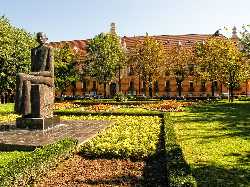
Nicolae Titulescu Park
Opera House
Nicolae Titulescu Park
 Park
Park