The Fortress on the Watchtower
The Fortress on the Watchtower, perched above Brașov’s medieval core, is one of the city’s lesser‑known defensive gems. Built in the 15th century as part of the outer fortification belt, it served as an elevated observation point overlooking the main access routes into the valley. Its strategic position allowed guards to spot approaching armies long before they reached the city walls, making it a crucial early‑warning post. Inside, the fortress reveals a compact but atmospheric interior. Visitors step through thick stone walls into vaulted rooms once used for storing weapons, food supplies, and signal equipment. One of the most interesting facts is that the watchtower operated in coordination with the nearby White and Black Towers, forming a network of visual communication through flags, torches, and smoke signals. This system helped Brașov respond quickly to threats during turbulent medieval periods. The restored upper level offers a panoramic view of the old town, the citadel hill, and the surrounding Carpathians. Wooden beams and narrow embrasures show how guards monitored the landscape while staying protected. Small exhibits inside present archaeological finds, fragments of old tools, and maps illustrating Brașov’s defensive evolution.
Brașov Romania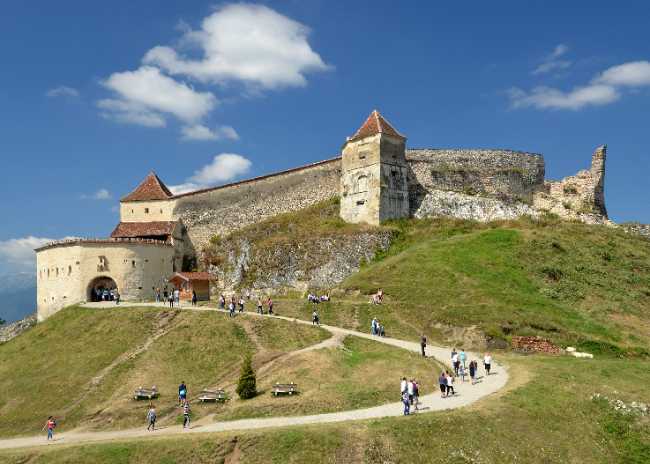
The Fortress on the Watchtower, also known as Cetățuia de pe Strajă, crowns Straja Hill just north of Brașov’s old town. You’ll find it on Strada Cetățuia, reached by a short uphill walk or climb from the city center. Built in the early 1500s as a wooden watchtower and expanded into a stone fortress with four corner bastions and a central hexagonal tower, it once guarded Brașov from invaders. The 81-meter-deep well in its courtyard shows how defenders survived long sieges. Over time it served as a garrison, prison, archive, and even a restaurant, and its thick walls and Italian-style bastions still reflect its strategic past. From the hill, you’re close to many of Brașov’s highlights. A downhill walk leads to Piața Sfatului, the lively Council Square with baroque buildings and the old City Hall museum. Nearby stands the Gothic Black Church, Eastern Europe’s largest. You can wander Rope Street, one of Europe’s narrowest, or visit Catherine’s Gate with its fairy-tale turrets. The White Tower and Graft Bastion are on the slopes of Warthe Hill, and Mount Tâmpa, with its cable car and hiking trails, rises above the old town. The area blends fortress history with Brașov’s medieval charm and mountain views.
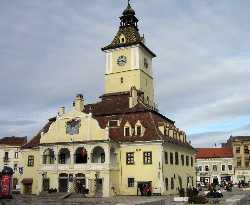 Museum
Muzeul Civilizației Urbane
Museum
Muzeul Civilizației Urbane
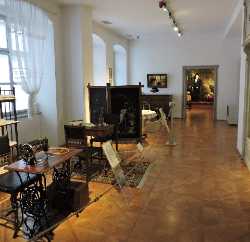 Museum
Muzeul de Artă Brașov
Museum
Muzeul de Artă Brașov
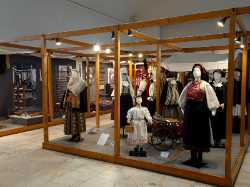 Museum
Muzeul de Etnografie Brașov
Museum
Muzeul de Etnografie Brașov
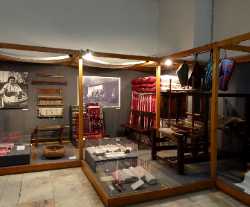 Museum
Casa Mureșenilor Museum
Museum
Casa Mureșenilor Museum
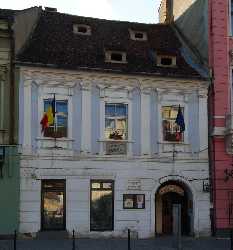 Museum
The First Romanian School Museum
Museum
The First Romanian School Museum
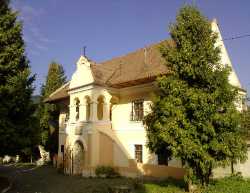 Museum
Graft Bastion
Museum
Graft Bastion
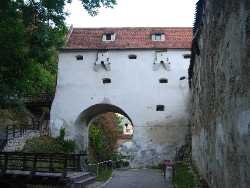 Historical Landmark
Olimpia-Muzeul Sportului și Turismului Montan
Historical Landmark
Olimpia-Muzeul Sportului și Turismului Montan
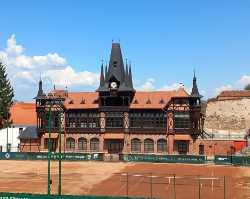 Museum
Tales of Communism Museum
Museum
Tales of Communism Museum
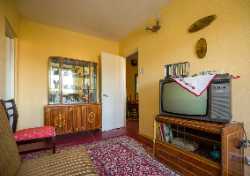 Museum
Weavers Bastion
Museum
Weavers Bastion
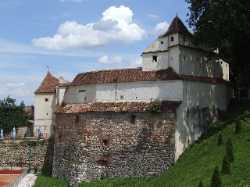 Fortress
Black Church
Fortress
Black Church
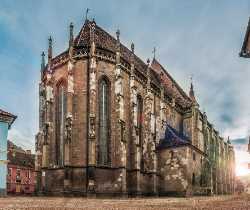 Church
Saint Nicholas Church
Church
Saint Nicholas Church
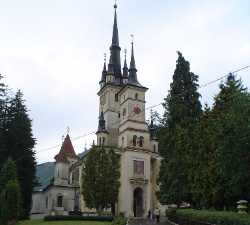 Church
Opera Brașov
Church
Opera Brașov
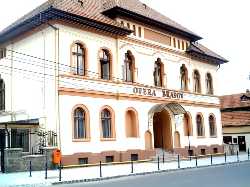 Opera House
Nicolae Titulescu Park
Opera House
Nicolae Titulescu Park
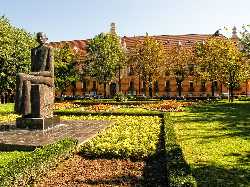 Park
Park