Nicolae Titulescu Park
Nicolae Titulescu Park is one of Brașov’s most charming green spaces, stretching along the edge of the historic center and offering a calm transition between the old town and the modern boulevard. Established in the early 20th century, it was designed as a promenade inspired by Central European urban parks, with long alleys, decorative flowerbeds, and elegant rows of linden and chestnut trees. Inside the park, visitors find a series of monuments dedicated to Nicolae Titulescu, Romania’s influential diplomat and former president of the League of Nations. One of the most interesting facts is that the park once hosted Brașov’s first public music pavilion, where small orchestras played weekend concerts for locals. Though the pavilion is gone, the tradition of open‑air gatherings continues through seasonal events and art displays. The park’s layout encourages slow exploration: benches shaded by mature trees, fountains that add a soft background sound, and carefully maintained gardens that change character with each season. A highlight is the central alley lined with statues of cultural figures, creating a quiet outdoor gallery. Children enjoy the playgrounds, while adults appreciate the proximity to nearby cafés and cultural institutions.
Brașov Romania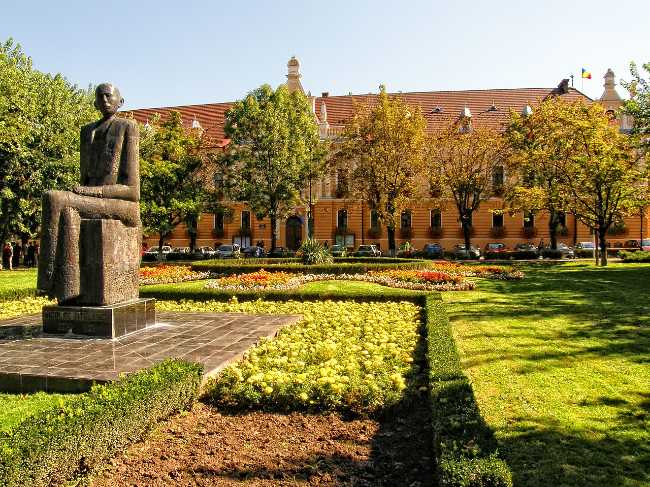
Nicolae Titulescu Park is a leafy urban oasis in central Brașov, tucked between Bulevardul Eroilor and Strada Nicolae Iorga, just 350 meters north of Piața Sfatului. Named for the early 20th-century Romanian diplomat, the park is laid out with paved alleys, manicured flower beds, fountains, and benches shaded by mature trees. You’ll find a children’s playground, outdoor chess tables, and statues of Titulescu and poet Cincinat Pavelescu. Locals come to stroll, relax, or let kids play, and in spring the tulips and roses make it especially colorful. Open around the clock with free entry, it’s a calm green break from the bustle of the old town. Because of its central spot, the park is an easy base for sightseeing. Walk south a few minutes to reach Piața Sfatului, Brașov’s lively Council Square lined with baroque houses, cafés, and the former City Hall museum. Dominating the square is the Black Church, Romania’s largest Gothic church, famed for its 4,000-pipe organ and Anatolian carpets. Nearby you can slip down Rope Street, one of Europe’s narrowest lanes, or visit Catherine’s Gate with its fairytale turrets. Also close by are the Museum of Ethnography and the Art Museum of Brașov, both on Bulevardul Eroilor, plus the Tales of Communism Museum for a look at life under the former regime. For views, head to the White Tower or take the Tampa Cable Car up Mount Tâmpa, where trails overlook the red rooftops and the Carpathians.
 Museum
Muzeul Civilizației Urbane
Museum
Muzeul Civilizației Urbane
 Museum
Muzeul de Artă Brașov
Museum
Muzeul de Artă Brașov
 Museum
Muzeul de Etnografie Brașov
Museum
Muzeul de Etnografie Brașov
 Museum
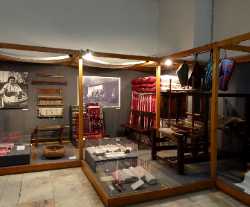
Casa Mureșenilor Museum
Museum
Casa Mureșenilor Museum
 Museum
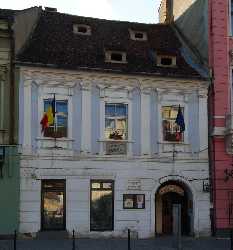
The First Romanian School Museum
Museum
The First Romanian School Museum
 Museum
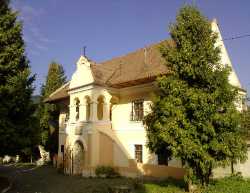
Graft Bastion
Museum
Graft Bastion
 Historical Landmark
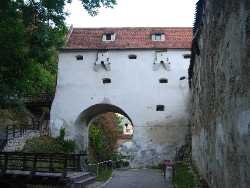
Olimpia-Muzeul Sportului și Turismului Montan
Historical Landmark
Olimpia-Muzeul Sportului și Turismului Montan
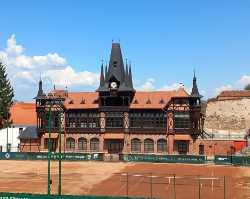 Museum
Tales of Communism Museum
Museum
Tales of Communism Museum
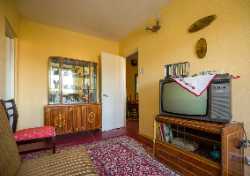 Museum
Weavers Bastion
Museum
Weavers Bastion
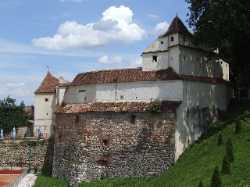 Fortress
The Fortress on the Watchtower
Fortress
The Fortress on the Watchtower
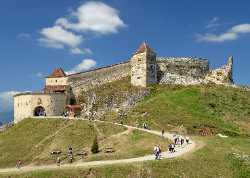 Fortress
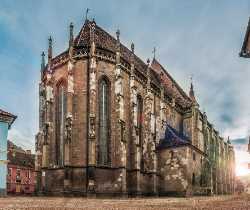
Black Church
Fortress
Black Church
 Church
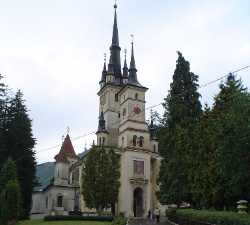
Saint Nicholas Church
Church
Saint Nicholas Church
 Church
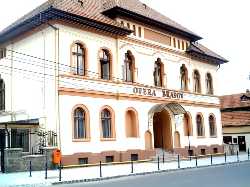
Opera Brașov
Church
Opera Brașov
 Opera House