Opera Brașov
Opera Brașov is one of the city’s most elegant cultural institutions, housed in a historic building whose intimate scale creates a uniquely warm atmosphere for performances. Founded in 1950, it has become a cornerstone of Brașov’s artistic life, known for nurturing Romanian talent and staging both classic and contemporary productions. Its repertoire ranges from grand opera to operetta and ballet, making it a versatile venue for audiences of all ages. Inside, visitors are greeted by a refined auditorium with excellent acoustics, designed to bring voices and instruments close to the listener. One of the most interesting facts is that many Romanian opera stars began their careers here, performing early roles on this very stage before moving on to national and international theaters. The orchestra pit is surprisingly spacious for a mid‑sized venue, allowing for full orchestral arrangements during major productions. The foyer displays costumes, posters, and archival photographs that trace the evolution of the institution. These exhibits highlight memorable premieres, visiting artists, and the craftsmanship behind stage design. The costume workshop, though not always accessible, is a hidden gem—its shelves filled with embroidered gowns, military uniforms, and period accessories used in past performances.
Brașov Romania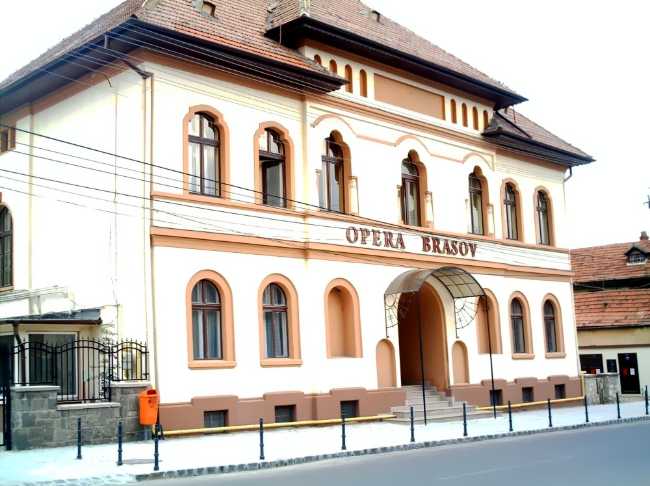
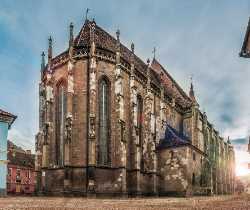
Opera Brașov sits on Strada Bisericii Române 51, just north of the medieval old town in a graceful neo-Romanian building constructed between 1936 and 1938. Established in 1953 as a Musical Theatre, it became the city’s dedicated opera house and is now a cultural anchor for Brașov. Known for excellent acoustics and an intimate hall, the venue stages opera, operetta, and ballet with a talented resident company and guest artists. Productions range from Verdi’s La Traviata to lively operettas, drawing both locals and visitors who love classical music. The opera is an easy walk from the historic center. A 10-15 minute stroll south brings you to Piața Sfatului, Brașov’s colorful Council Square framed by baroque buildings, cafés, and the former City Hall museum. Dominating the square is the Black Church, Romania’s largest Gothic church, with its towering 65-meter spire and famed collection of Anatolian carpets. Nearby you can wander Rope Street, one of Europe’s narrowest lanes, or visit Catherine’s Gate, the fairy-tale turreted gateway to the old citadel. For views, the White Tower and Graft Bastion on Warthe Hill are close, offering panoramas over the red rooftops. Mount Tâmpa rises behind the old town, with hiking trails and a cable car to the summit. The Black Tower, First Romanian School, and Saint Nicholas Church in Șchei are also within easy reach.
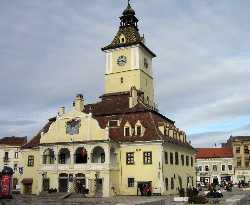 Museum
Muzeul Civilizației Urbane
Museum
Muzeul Civilizației Urbane
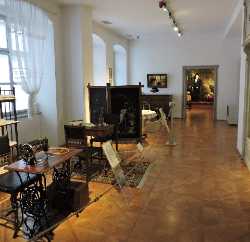 Museum
Muzeul de Artă Brașov
Museum
Muzeul de Artă Brașov
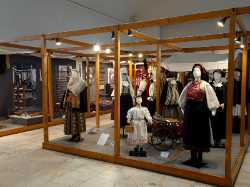 Museum
Muzeul de Etnografie Brașov
Museum
Muzeul de Etnografie Brașov
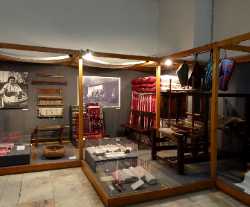 Museum
Casa Mureșenilor Museum
Museum
Casa Mureșenilor Museum
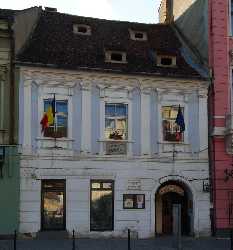 Museum
The First Romanian School Museum
Museum
The First Romanian School Museum
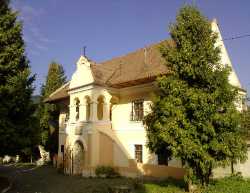 Museum
Graft Bastion
Museum
Graft Bastion
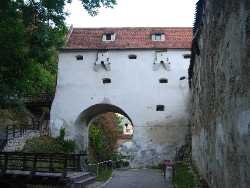 Historical Landmark
Olimpia-Muzeul Sportului și Turismului Montan
Historical Landmark
Olimpia-Muzeul Sportului și Turismului Montan
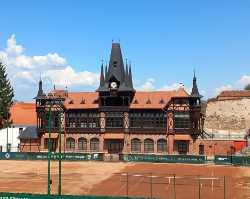 Museum
Tales of Communism Museum
Museum
Tales of Communism Museum
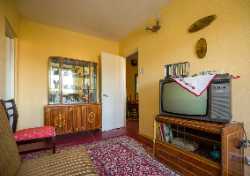 Museum
Weavers Bastion
Museum
Weavers Bastion
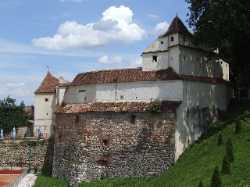 Fortress
The Fortress on the Watchtower
Fortress
The Fortress on the Watchtower
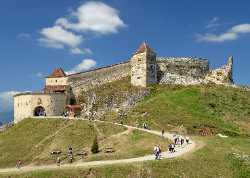 Fortress
Black Church
Fortress
Black Church
 Church
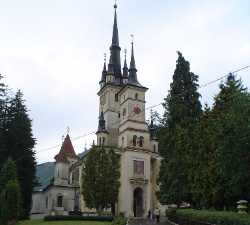
Saint Nicholas Church
Church
Saint Nicholas Church
 Church
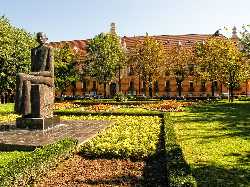
Nicolae Titulescu Park
Church
Nicolae Titulescu Park
 Park
Park