Olimpia-Muzeul Sportului și Turismului Montan
Olimpia – Museum of Sport and Mountain Tourism Brașov — Article (≈1500 characters) Housed in the historic Olimpia building at the foot of Tâmpa Mountain, Brașov’s Museum of Sport and Mountain Tourism offers a vivid journey through Romania’s athletic heritage and alpine culture. Founded in 1961, it is one of the country’s earliest institutions dedicated to winter sports, reflecting Brașov’s long-standing role as a hub for skiing, mountaineering, and outdoor exploration. Inside, visitors find an engaging mix of memorabilia, equipment, and archival photographs. The ski collection is a highlight: early wooden skis, leather boots, and hand‑forged bindings show how athletes once tackled the Carpathian slopes. The museum also preserves rare items from Romania’s first mountain rescue teams, including rope systems and early avalanche tools that reveal the evolution of alpine safety. One of the most interesting facts is the museum’s connection to the nearby Olympic ski jump, built in the 1930s. Many of the trophies and medals displayed belonged to athletes who trained on that very slope. The mountaineering section adds another layer, featuring maps, expedition journals, and gear used by pioneering climbers who opened routes across the Bucegi and Piatra Craiului ranges.
Brașov Romania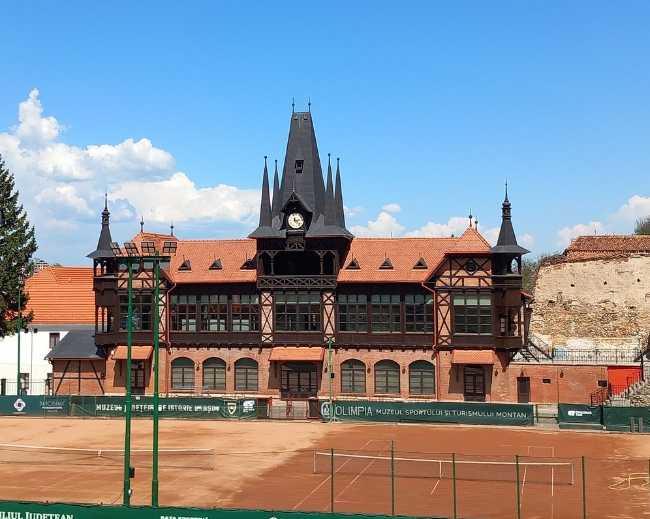
Olimpia – Muzeul Sportului și Turismului Montan is in the heart of Brașov, housed in the elegant 1896 Olimpia building that once served as headquarters for the Brașov Skating Association. You’ll find it in the historic Olimpia sports complex, right at the foot of Mount Tâmpa and just steps from the medieval walls of the old city center. The museum is Romania’s first dedicated to the history of sports and mountain tourism, showcasing over a century of local athletic heritage through medals, trophies, skis, tennis rackets, and photographs of Brașov’s champions. From here, you’re within an easy walk of some of Brașov’s best-known attractions. The nearby Bastionul Țesătorilor, one of the city’s best-preserved medieval fortifications, sits beside it. A few minutes away is Piața Sfatului, the lively Council Square lined with colorful baroque buildings, cafés, and the old City Hall. The striking Gothic Black Church, Eastern Europe’s largest, dominates the square. Stroll to Rope Street, one of Europe’s narrowest lanes, or head to Catherine’s Gate with its fairy-tale turrets. For views, take the Tampa Cable Car up Mount Tâmpa — the trailhead is close by — and look over the red rooftops of the old town framed by the Carpathians. The area blends sporting legacy with Brașov’s medieval charm and mountain adventure.
 Museum
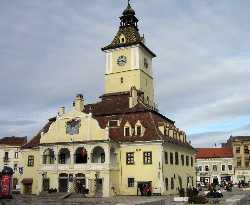
Muzeul Civilizației Urbane
Museum
Muzeul Civilizației Urbane
 Museum
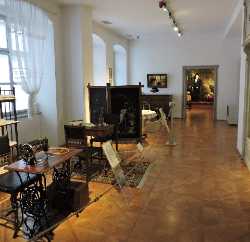
Muzeul de Artă Brașov
Museum
Muzeul de Artă Brașov
 Museum
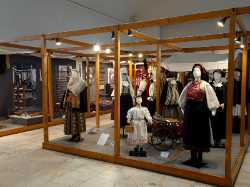
Muzeul de Etnografie Brașov
Museum
Muzeul de Etnografie Brașov
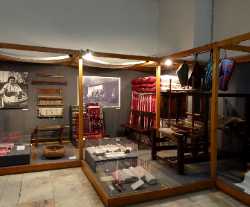 Museum
Casa Mureșenilor Museum
Museum
Casa Mureșenilor Museum
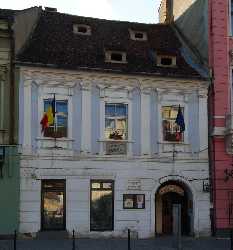 Museum
The First Romanian School Museum
Museum
The First Romanian School Museum
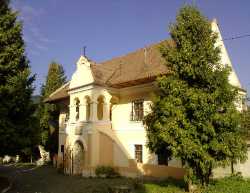 Museum
Graft Bastion
Museum
Graft Bastion
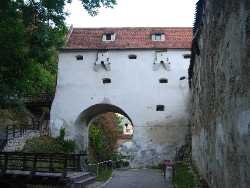 Historical Landmark
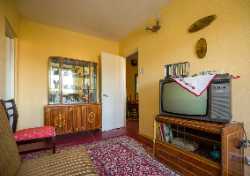
Tales of Communism Museum
Historical Landmark
Tales of Communism Museum
 Museum
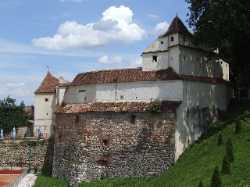
Weavers Bastion
Museum
Weavers Bastion
 Fortress
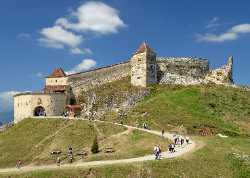
The Fortress on the Watchtower
Fortress
The Fortress on the Watchtower
 Fortress
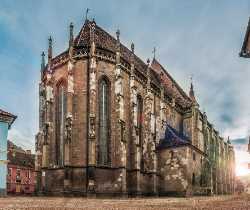
Black Church
Fortress
Black Church
 Church
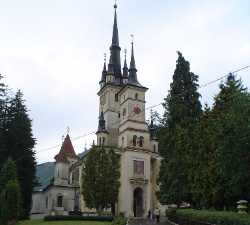
Saint Nicholas Church
Church
Saint Nicholas Church
 Church
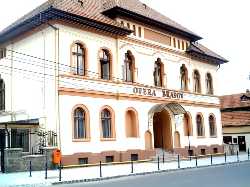
Opera Brașov
Church
Opera Brașov
 Opera House
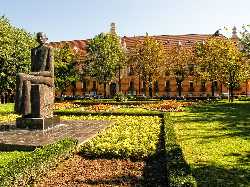
Nicolae Titulescu Park
Opera House
Nicolae Titulescu Park
 Park
Park