Black Church
The Black Church, rising over Brașov’s medieval center, is the largest Gothic church in Southeast Europe and one of Romania’s most iconic landmarks. Its name comes from the darkened walls left after the great fire of 1689, when smoke and flames scarred the exterior but spared much of the interior’s beauty. Built by Transylvanian Saxons in the 14th–15th centuries, it remains a powerful symbol of the city’s multicultural past. Inside, visitors encounter a vast, cool nave supported by soaring stone pillars. One of the most interesting features is the impressive collection of Anatolian carpets—over 100 pieces donated by merchants during the 17th and 18th centuries. Their vivid colors and geometric patterns contrast strikingly with the church’s Gothic austerity. The organ is another highlight: a monumental instrument with nearly 4,000 pipes, famous for its rich Baroque sound and regular concerts. The church also preserves medieval sculptures, fragments of frescoes, and the elegant bronze font crafted in 1472. The pews bear carved guild emblems, reminding visitors of Brașov’s strong craft traditions. A small exhibition explains the Lutheran heritage of the building and its role as a cultural anchor for the Saxon community.
Brașov Romania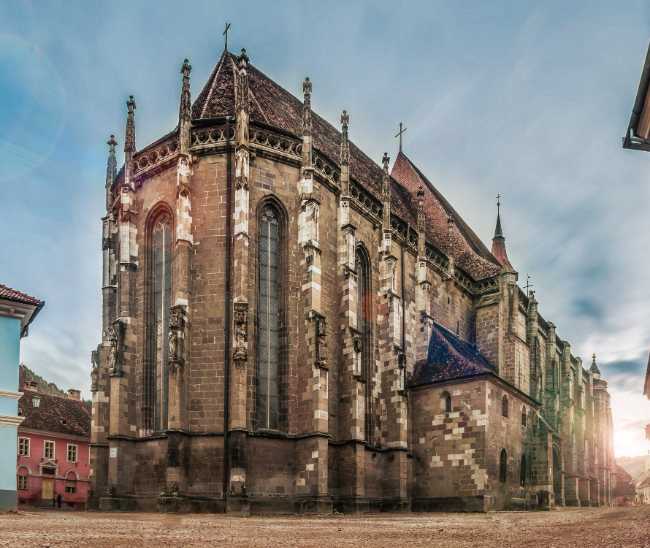
The Black Church stands at the heart of Brașov’s historic old town, dominating Council Square from Curtea Johannes Honterus. Built by the Transylvanian Saxon community between 1385 and 1477, it is Romania’s largest Gothic church and a defining landmark of the city. Its name comes from the darkened stone left after the Great Fire of 1689, which damaged much of Brașov and took nearly a century to restore. The church is Lutheran and still an active place of worship, with a 65-meter bell tower, soaring vaults, and a 4,000-pipe organ from 1839. Inside you’ll find one of Europe’s richest collections of 15th- to 17th-century Anatolian carpets, ornate tombstones, and stained-glass windows. Organ concerts are often held here in summer. You’re surrounded by Brașov’s most visited attractions. Steps away is Piața Sfatului, the lively Council Square lined with baroque houses, cafés, and the former City Hall museum. Just off the square is Rope Street, one of Europe’s narrowest lanes, and Catherine’s Gate with its fairy-tale turrets. The First Romanian School and St. Nicholas Church lie in the nearby Șchei district. For views, walk up to the White Tower and Graft Bastion on Warthe Hill, or take the Tampa Cable Car up Mount Tâmpa to look over the red rooftops and the Carpathians. The Black Church anchors a compact, walkable old town where medieval history, Saxon heritage, and mountain scenery meet.
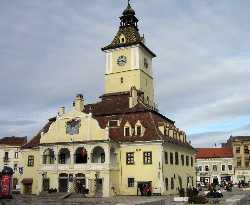 Museum
Muzeul Civilizației Urbane
Museum
Muzeul Civilizației Urbane
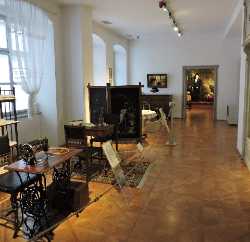 Museum
Muzeul de Artă Brașov
Museum
Muzeul de Artă Brașov
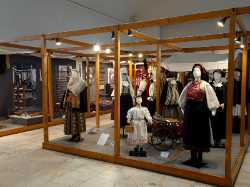 Museum
Muzeul de Etnografie Brașov
Museum
Muzeul de Etnografie Brașov
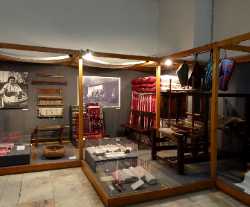 Museum
Casa Mureșenilor Museum
Museum
Casa Mureșenilor Museum
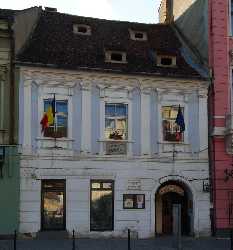 Museum
The First Romanian School Museum
Museum
The First Romanian School Museum
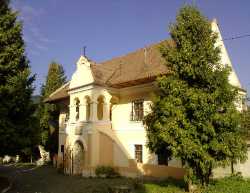 Museum
Graft Bastion
Museum
Graft Bastion
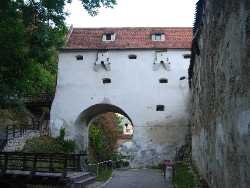 Historical Landmark
Olimpia-Muzeul Sportului și Turismului Montan
Historical Landmark
Olimpia-Muzeul Sportului și Turismului Montan
 Museum
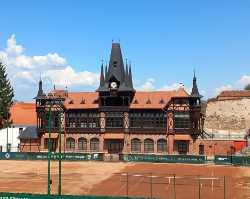
Tales of Communism Museum
Museum
Tales of Communism Museum
 Museum
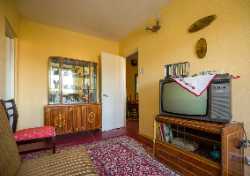
Weavers Bastion
Museum
Weavers Bastion
 Fortress
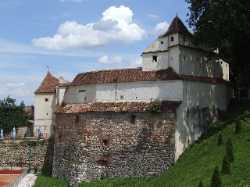
The Fortress on the Watchtower
Fortress
The Fortress on the Watchtower
 Fortress
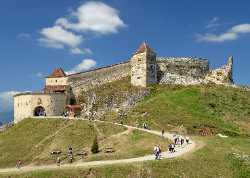
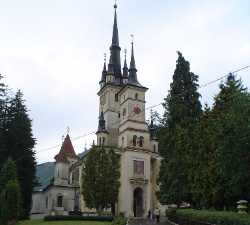
Saint Nicholas Church
Fortress
Saint Nicholas Church
 Church
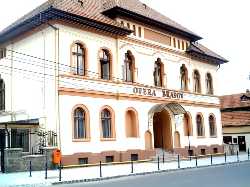
Opera Brașov
Church
Opera Brașov
 Opera House
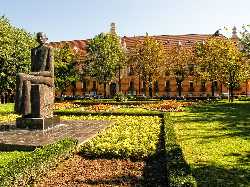
Nicolae Titulescu Park
Opera House
Nicolae Titulescu Park
 Park
Park