Muzeul Civilizației Urbane
Muzeul Civilizației Urbane Brașov is one of the city’s most elegant museums, set inside a beautifully restored 16th‑century merchant house on Piața Sfatului. Dedicated to the evolution of urban life in Brașov, it reveals how the city’s architecture, trade, and social customs shaped daily routines from the Middle Ages to the early modern era. Its charm lies in the intimate scale: each room feels like a preserved slice of domestic history. Inside, visitors can explore reconstructed interiors that show how wealthy Brașov families lived—wood‑panelled rooms, ornate stoves, carved furniture, and decorative objects that blend Saxon, Romanian, and Hungarian influences. The kitchen, with its traditional tools and ceramic vessels, offers a vivid look at household life centuries ago. One of the most interesting features is the collection of guild artefacts, illustrating how craftsmen organised themselves and maintained high standards in a thriving commercial town. The museum also highlights Brașov’s role as a cultural crossroads. Exhibits on clothing, trade routes, and urban planning reveal how merchants and travellers shaped the city’s identity. Temporary displays often focus on themes like fashion history, local craftsmanship, or urban development, adding fresh perspectives to each visit.
Brașov Romania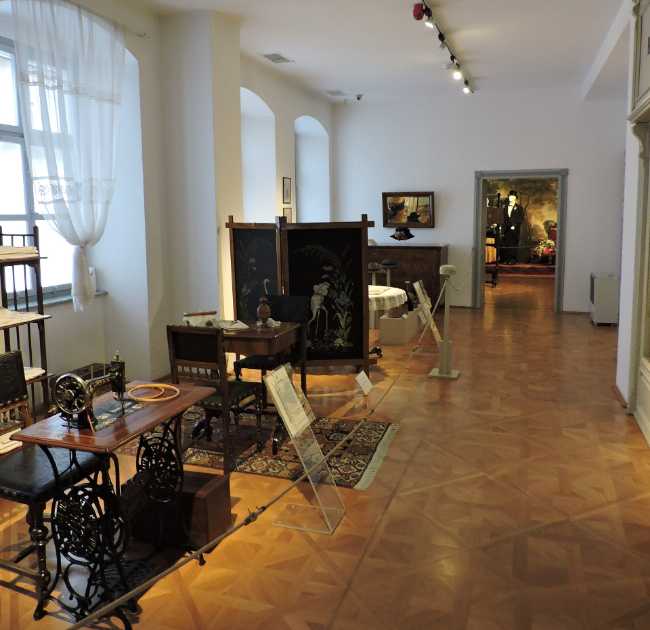
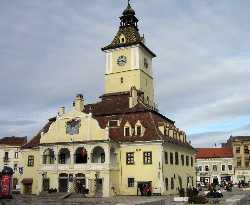
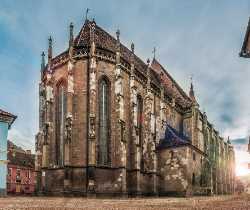
Muzeul Civilizației Urbane a Brașovului is at Piața Sfatului 15, in a 16th-century building on the southeast corner of Brașov’s Council Square. The museum recreates the lifestyle of Brașov’s bourgeois families from the 17th to 19th centuries. Rooms display period furniture, clothing, ceramics, musical instruments, and photographs that show how the city’s merchants and artisans lived. The house itself, with its arcades and vaulted ceilings, is part of the exhibit. You’re in the heart of the Old Town. Council Square, or Piața Sfatului, is surrounded by colorful baroque buildings and cafes. The former Council House in the middle of the square now houses the Brașov County Museum of History. Walk 1 minute to reach the Black Church, the largest Gothic church between Vienna and Istanbul. Its name comes from the fire-blackened walls and it holds a collection of Ottoman carpets. Head 5 minutes west to Strada Sforii, one of Europe’s narrowest streets, then continue to the Șchei Gate and Catherine’s Gate, remnants of the medieval fortifications. The First Romanian School and St. Nicholas Church are 10 minutes away in the Șchei district, with exhibits on early Romanian printing.
 Museum
Muzeul de Artă Brașov
Museum
Muzeul de Artă Brașov
 Museum
Muzeul de Etnografie Brașov
Museum
Muzeul de Etnografie Brașov
 Museum
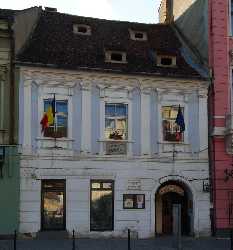
Casa Mureșenilor Museum
Museum
Casa Mureșenilor Museum
 Museum
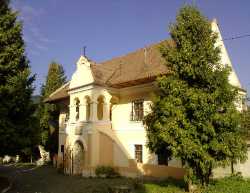
The First Romanian School Museum
Museum
The First Romanian School Museum
 Museum
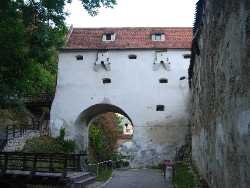
Graft Bastion
Museum
Graft Bastion
 Historical Landmark
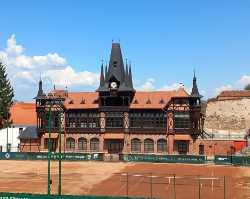
Olimpia-Muzeul Sportului și Turismului Montan
Historical Landmark
Olimpia-Muzeul Sportului și Turismului Montan
 Museum
Tales of Communism Museum
Museum
Tales of Communism Museum
 Museum
Weavers Bastion
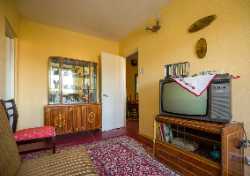
Museum
Weavers Bastion
 Fortress
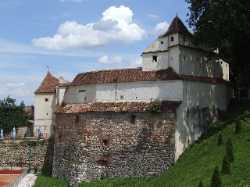
The Fortress on the Watchtower
Fortress
The Fortress on the Watchtower
 Fortress
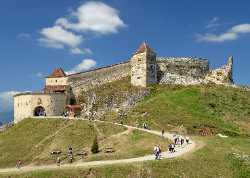
Black Church
Fortress
Black Church
 Church
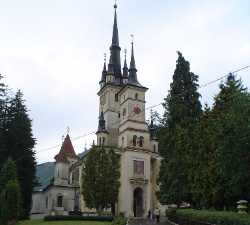
Saint Nicholas Church
Church
Saint Nicholas Church
 Church
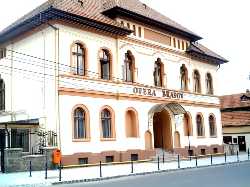
Opera Brașov
Church
Opera Brașov
 Opera House
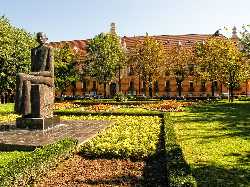
Nicolae Titulescu Park
Opera House
Nicolae Titulescu Park
 Park
Park