Weavers Bastion
The Weavers Bastion is one of the best‑preserved defensive structures in Brașov, built between the 15th and 16th centuries by the city’s weavers’ guild. Its thick walls, reaching up to 4 meters, once protected the southwestern corner of the medieval fortifications. Today, it stands out not only for its architecture but also for the remarkable museum hidden inside. The interior houses a detailed exhibition on Brașov’s fortification system, including scale models that reconstruct the city’s walls, towers, and gates as they looked centuries ago. One of the most interesting facts is that the bastion survived major fires and invasions thanks to its strategic design and the guild’s commitment to maintaining it. Visitors can explore the vaulted rooms where weapons and supplies were once stored, as well as the upper levels used by guards during sieges. A highlight is the large wooden model of medieval Brașov, crafted with meticulous detail and offering a rare bird’s‑eye view of the city’s past. The bastion also hosts archaeological finds—arrowheads, ceramics, and fragments of old tools—that reveal daily life around the fortifications. Its cool stone interior and quiet atmosphere make it an evocative place to step back into Brașov’s guild‑driven history.
Brașov Romania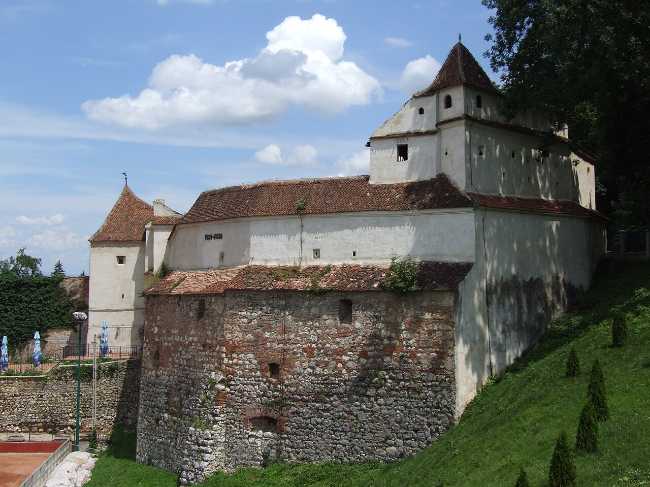
Weavers Bastion stands on Strada George Coșbuc in the southeastern corner of Brașov’s medieval walls. Built and maintained by the weavers’ guild around 1430, this 15th-century fortress is the best-preserved bastion in the city. Its 4-meter-thick stone walls, shooting holes, and two watch towers once defended Brașov against invasions. Inside, four levels of wooden galleries circle a cobbled courtyard, now home to a small museum of local history. You’ll find a detailed 1896 model of medieval Brașov, old weapons, weaver’s tools, and displays on the guilds that shaped the citadel. The acoustics are so good the bastion still hosts occasional concerts. The museum is open Tuesday to Sunday and sits right at the foot of Mount Tâmpa, making it an easy stop on a walk around the old town. Just minutes away is Piața Sfatului, Brașov’s lively Council Square framed by pastel baroque buildings and the former Council House. From there, visit the imposing Gothic Black Church, one of Eastern Europe’s largest, or slip down Rope Street, one of Europe’s narrowest lanes. Catherine’s Gate, with its fairy-tale turrets, is nearby, as is the First Romanian School and St. Nicholas Church in the Șchei district. For views, the Tampa Cable Car is close by, taking you up Mount Tâmpa to look over the red rooftops of the old town and the Carpathians beyond.
 Museum
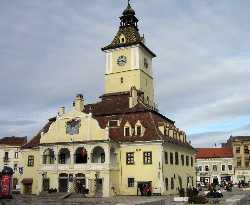
Muzeul Civilizației Urbane
Museum
Muzeul Civilizației Urbane
 Museum
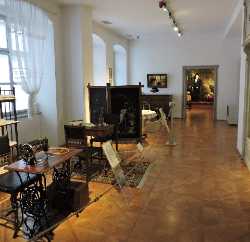
Muzeul de Artă Brașov
Museum
Muzeul de Artă Brașov
 Museum
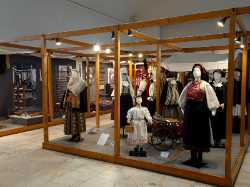
Muzeul de Etnografie Brașov
Museum
Muzeul de Etnografie Brașov
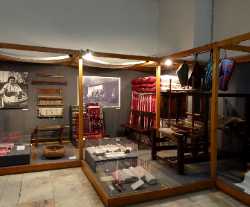 Museum
Casa Mureșenilor Museum
Museum
Casa Mureșenilor Museum
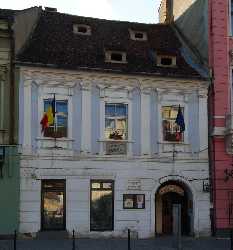 Museum
The First Romanian School Museum
Museum
The First Romanian School Museum
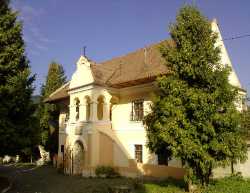 Museum
Graft Bastion
Museum
Graft Bastion
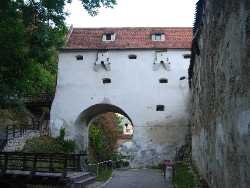 Historical Landmark
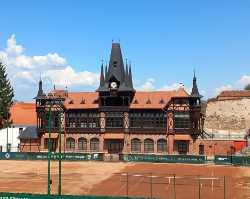
Olimpia-Muzeul Sportului și Turismului Montan
Historical Landmark
Olimpia-Muzeul Sportului și Turismului Montan
 Museum
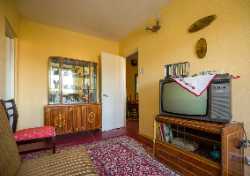
Tales of Communism Museum
Museum
Tales of Communism Museum
 Museum
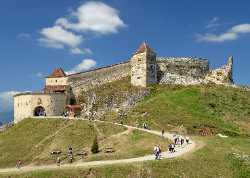
The Fortress on the Watchtower
Museum
The Fortress on the Watchtower
 Fortress
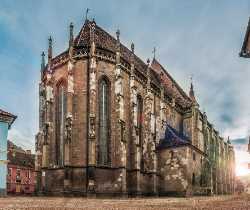
Black Church
Fortress
Black Church
 Church
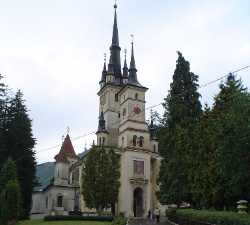
Saint Nicholas Church
Church
Saint Nicholas Church
 Church
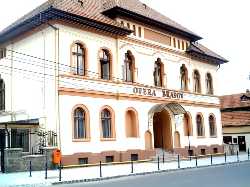
Opera Brașov
Church
Opera Brașov
 Opera House
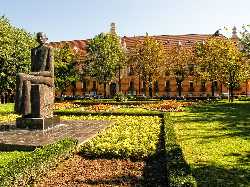
Nicolae Titulescu Park
Opera House
Nicolae Titulescu Park
 Park
Park