Muzeul de Artă Brașov
Muzeul de Artă Brașov is one of the city’s most elegant cultural institutions, housed in a 20th‑century building that complements its refined collection. The museum focuses on Romanian art from the late 19th century to the contemporary era, offering a clear, beautifully curated narrative of how Transylvanian artists shaped national visual culture. Its atmosphere is intimate, making each room feel like a carefully arranged gallery rather than a large public museum. Inside, visitors encounter works by major Romanian painters, including pieces from the post‑Impressionist and Expressionist movements that flourished in Transylvania. The collection highlights artists connected to Brașov, revealing how local landscapes, crafts, and multicultural influences inspired distinctive styles. One of the most interesting features is the museum’s strong representation of interwar art, showcasing portraits, still lifes, and urban scenes that capture the region’s shifting identity. The graphic‑arts section displays drawings, engravings, and lithographs that reveal the technical skill behind Romanian printmaking. Temporary exhibitions often introduce contemporary artists, photography, or thematic explorations of colour, symbolism, and regional identity, ensuring the museum remains vibrant and current.
Brașov Romania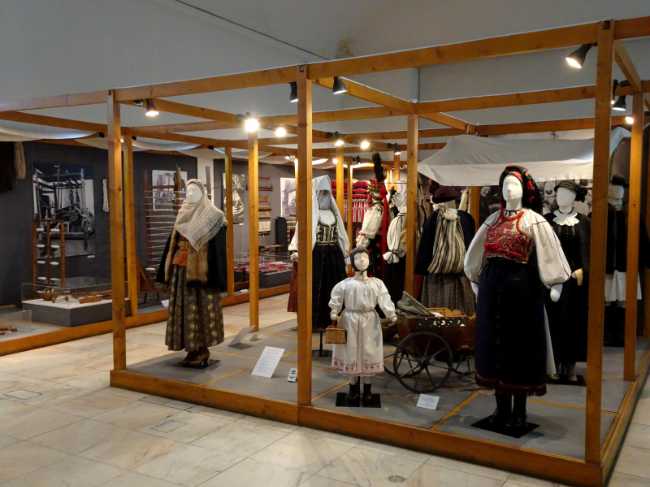
Muzeul de Artă Brașov, the Brașov Art Museum, is at Bulevardul Eroilor 21, on the edge of the Old Town and across from Nicolae Titulescu Park. It’s housed in a neo-Baroque building from 1902 and holds the largest art collection in the region. The displays cover Romanian art from the 18th century to contemporary works, with paintings by Nicolae Grigorescu, Theodor Aman, Ștefan Luchian, and Transylvanian artists. There’s also a collection of decorative art, glass, and icons. You’re a 5-minute walk from Piața Sfatului, Brașov’s main square. The square is ringed by colorful baroque buildings, cafes, and the Council House with its History Museum. The Black Church, the largest Gothic church between Vienna and Istanbul, stands on one side of the square. Its interior has a collection of Anatolian carpets and a 4000-pipe organ. Walk up Republicii Street, the main pedestrian lane, for shops and pastries. From Piața Sfatului, follow the signs to the Tampa Cable Car. The 10-minute ride takes you to Mount Tâmpa for panoramic views over the Old Town and the Brașov sign on the hill. Behind the Black Church is the Rope Street, one of Europe’s narrowest streets. Head to Șchei Gate and Catherine’s Gate, the old medieval entrances to the city. The First Romanian School Museum is nearby in the Șcheii Brașovului district, along with St. Nicholas Church.
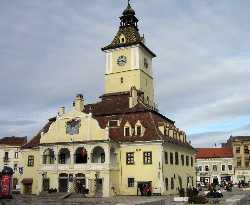 Museum
Muzeul Civilizației Urbane
Museum
Muzeul Civilizației Urbane
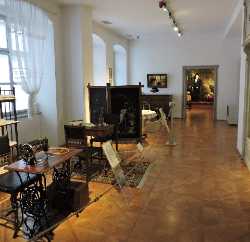 Museum
Muzeul de Etnografie Brașov
Museum
Muzeul de Etnografie Brașov
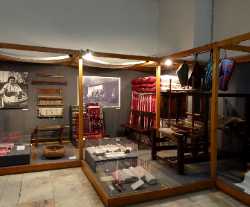 Museum
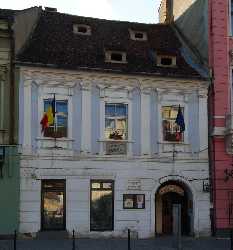
Casa Mureșenilor Museum
Museum
Casa Mureșenilor Museum
 Museum
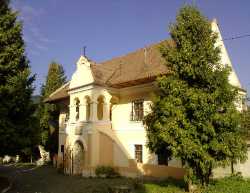
The First Romanian School Museum
Museum
The First Romanian School Museum
 Museum
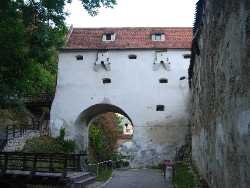
Graft Bastion
Museum
Graft Bastion
 Historical Landmark
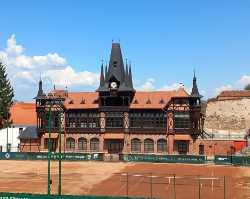
Olimpia-Muzeul Sportului și Turismului Montan
Historical Landmark
Olimpia-Muzeul Sportului și Turismului Montan
 Museum
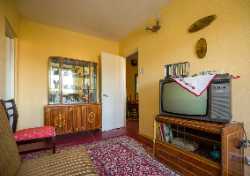
Tales of Communism Museum
Museum
Tales of Communism Museum
 Museum
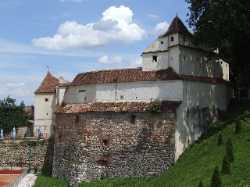
Weavers Bastion
Museum
Weavers Bastion
 Fortress
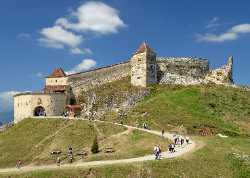
The Fortress on the Watchtower
Fortress
The Fortress on the Watchtower
 Fortress
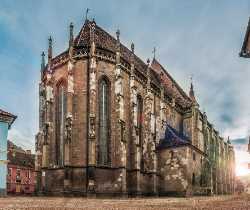
Black Church
Fortress
Black Church
 Church
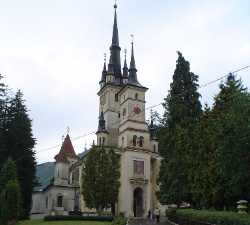
Saint Nicholas Church
Church
Saint Nicholas Church
 Church
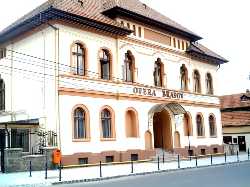
Opera Brașov
Church
Opera Brașov
 Opera House
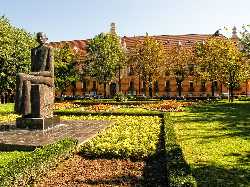
Nicolae Titulescu Park
Opera House
Nicolae Titulescu Park
 Park
Park