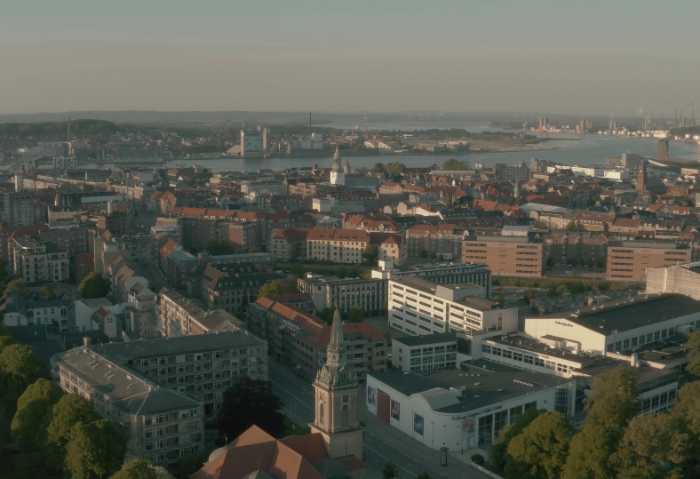
Aalborg
Aalborg, the fourth-largest city in Denmark, serves as a striking example of urban reinvention. Situated at the narrowest point of the Limfjord in Northern Jutland, the city’s identity has been inextricably linked to the water for over a millennium. Its origins are deeply rooted in the Viking Age, a history that remains visible today at Lindholm Høje, where hundreds of stone ship settings mark the burial grounds of those who once controlled these vital shipping lanes. This ancient heritage provides a silent, stoic backdrop to a city that has spent the last several decades aggressively transforming its public image. For much of the 20th century, Aalborg was the gritty engine room of the Danish economy, synonymous with heavy industry, cement production, and the sharp scent of Aalborg Akvavit. However, as the industrial era waned, the city chose to reclaim its waterfront rather than succumb to economic decay. What was once a restricted zone of factories and fences has been reborn as a world-class cultural promenade. The Utzon Center, the final masterpiece of Jørn Utzon—the Aalborg-born architect behind the Sydney Opera House—stands as a beacon of this new era. It is complemented by the futuristic, silver-clad Musikkens Hus, a concert hall renowned for having some of the finest acoustics in Europe. Beyond its architectural milestones, Aalborg maintains a spirited, down-to-earth social reputation that sets it apart from the more reserved Copenhagen. The city is home to Jomfru Ane Gade, a street famous across Scandinavia for hosting the highest concentration of bars and clubs in the country. This festive energy reaches its zenith every May during the Aalborg Carnival, the largest event of its kind in Northern Europe, which sees the historic streets transformed into a sea of music and organized chaos. Today, supported by a world-renowned university and a burgeoning tech sector, Aalborg is a leader in green energy and sustainable urban development. Visitors can wander past the 17th-century half-timbered walls of Jens Bang’s House and, within a few minutes, find themselves in a cutting-edge "smart city" hub. By successfully shedding its industrial soot to reveal a polished, intellectual, and welcoming core, Aalborg has proven that a city can honor its Viking past while leaning boldly into a sustainable, contemporary future.
What to see in Aalborg
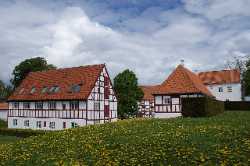 Castle
Vor Frelsers Kirke
Castle
Vor Frelsers Kirke
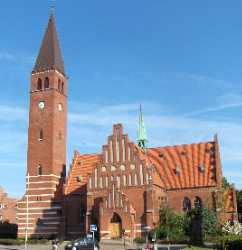 Church
 of Our Lady Aalborg
Church
Church of Our Lady Aalborg
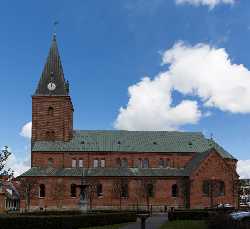 Church
Budolfi Cathedral
Church
Budolfi Cathedral
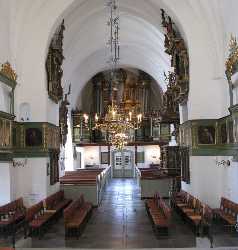 Church
Musikkens Hus
Church
Musikkens Hus
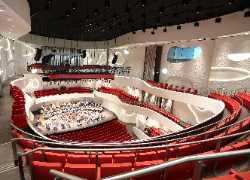 Concert Hall
Nordkraft
Concert Hall
Nordkraft
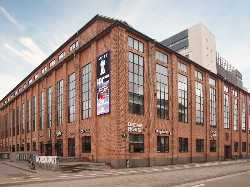 Cultural Centre
Aalborg Kongres & Kultur Center
Cultural Centre
Aalborg Kongres & Kultur Center
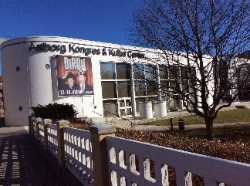 Cultural Centre
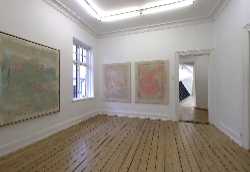
Galleri Wolfsen
Cultural Centre
Galleri Wolfsen
 Gallery
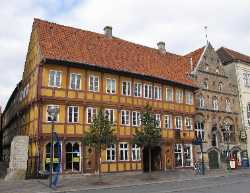
Jørgen Olufsens House
Gallery
Jørgen Olufsens House
 Historical Landmark
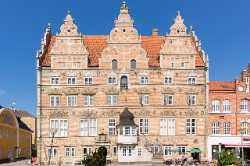
Jens Bang’s House
Historical Landmark
Jens Bang’s House
 Historical Landmark
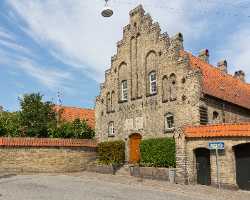
Aalborg Kloster Chapel
Historical Landmark
Aalborg Kloster Chapel
 Monastery
KUNSTEN Museum of Modern Art Aalborg
Monastery
KUNSTEN Museum of Modern Art Aalborg
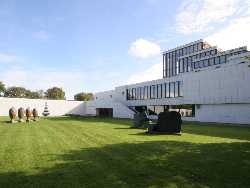 Museum
Aalborg Miniby
Museum
Aalborg Miniby
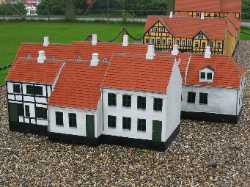 Museum
Sundby Collections – Bryggergården
Museum
Sundby Collections – Bryggergården
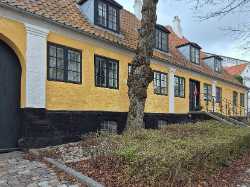 Museum
Utzon Center
Museum
Utzon Center
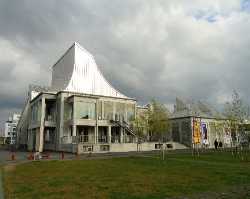 Museum
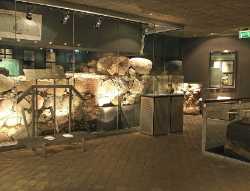
Gråbrødrekloster Museum
Museum
Gråbrødrekloster Museum
 Museum
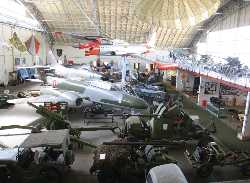
Aalborg Defence and Garrison Museum
Museum
Aalborg Defence and Garrison Museum
 Museum
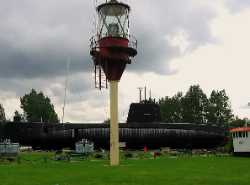
Springeren – Maritime Experience Centre
Museum
Springeren – Maritime Experience Centre
 Museum
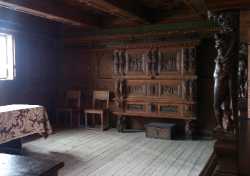
Aalborg Historical Museum
Museum
Aalborg Historical Museum
 Museum
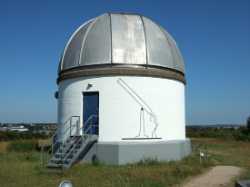
Urania Observatory Aalborg
Museum
Urania Observatory Aalborg
 Observatory
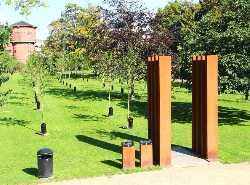
Singing Trees Park
Observatory
Singing Trees Park
 Park
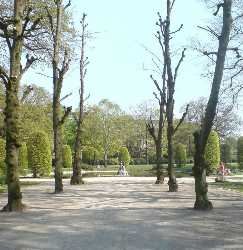
Kildeparken
Park
Kildeparken
 Park
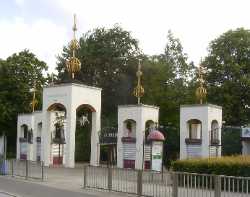
Karolinelund
Park
Karolinelund
 Park
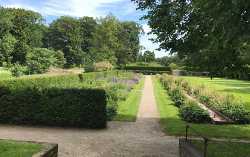
Sohngårdsholmparken
Park
Sohngårdsholmparken
 Park
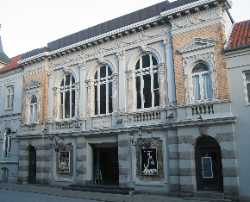
Aalborg Teater
Park
Aalborg Teater
 Theatre
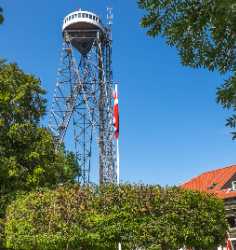
Aalborg Tower
Theatre
Aalborg Tower
 Tower
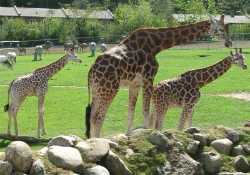
Aalborg Zoo
Tower
Aalborg Zoo
 Zoo
Zoo