Hellbrunn Palace
Hellbrunn Palace is Salzburg’s most playful architectural treasure, created in 1615 by Prince‑Archbishop Markus Sittikus as a summer retreat devoted entirely to pleasure and surprise. Unlike defensive castles or formal residences, Hellbrunn was designed purely for entertainment, which is why its famous trick fountains remain the estate’s most iconic feature. Hidden water jets, mechanical theatres, and unexpected sprays turn the gardens into a Baroque stage where humour and engineering meet. Inside the palace, the grand halls reveal a different side of Sittikus’s world. The Festival Hall, with its vivid frescoes of mythological scenes, reflects the archbishop’s love of theatre and spectacle. The Octagon Room and Music Room showcase refined stucco work and decorative painting that illustrate the early Baroque aesthetic flourishing in Salzburg at the time. A highlight of the visit is the Mechanical Theatre, an 18th‑century marvel powered entirely by water. More than 100 tiny figures—bakers, smiths, musicians—move in unison, offering a lively glimpse into historical city life. The surrounding park, with its grottos, ponds, and sculptural surprises, extends the palace’s playful spirit into the landscape.
Salzburg Austria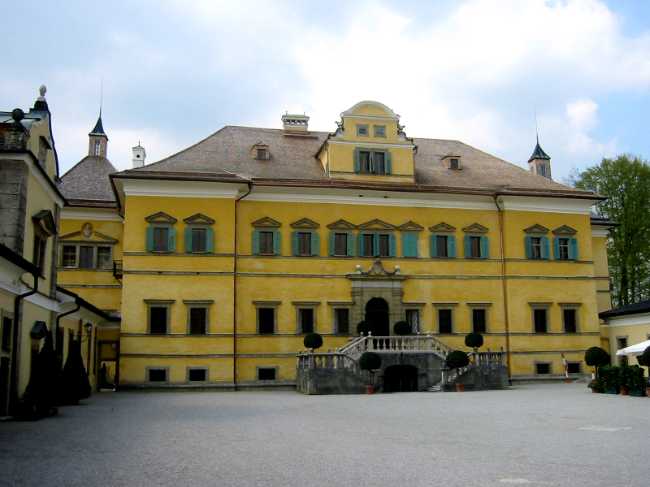
Hellbrunn Palace lies in the south of Salzburg, nestled at the foot of Hellbrunn Mountain and surrounded by extensive parkland. Built between 1613 and 1615 as a summer residence for Prince-Archbishop Markus Sittikus, it was designed for pleasure and play rather than politics. The villa is an early example of a Baroque villa suburbana, with richly decorated rooms and a grand ballroom, though it was never intended as a permanent residence. The palace is best known for its unique Wasserspiele, or Trick Fountains. Hidden jets, grottos, and water-powered mechanical figures surprise visitors as they tour the grounds with a guide. The Mannerist gardens, geometric parterres, and the gazebo made famous by The Sound of Music add to the playful atmosphere. The palace also houses the Folklore Museum in the Monatsschlössl, a small hunting lodge on the hill above. Hellbrunn’s location puts several other attractions within easy reach. The Salzburg Zoo sits directly adjacent to the palace grounds, home to animals from Eurasia, Africa, and South America set against the rocky cliffs of Hellbrunn Mountain. A short drive or bus ride north takes you back into Salzburg’s Old Town, where Hohensalzburg Fortress, Mozart’s Birthplace, and Salzburg Cathedral are clustered together. The nearby Untersberg mountain offers cable car rides and alpine hiking, while the calm Anif Palace and its pond are just a few minutes away.
 Museum
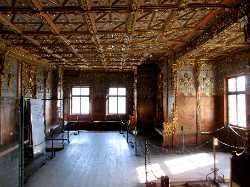
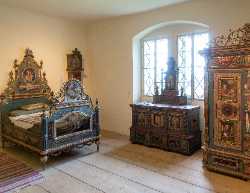
Folklore Museum
Museum
Folklore Museum
 Museum
Salzburg Cathedral
Museum
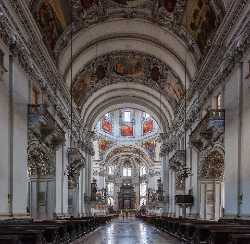
Salzburg Cathedral
 Cathedral
Toy Museum Salzburg
Cathedral
Toy Museum Salzburg
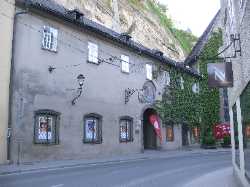 Museum
Mozart's Birthplace
Museum
Mozart's Birthplace
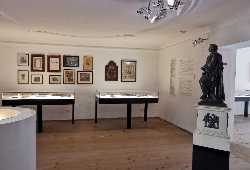 Museum
Mozart Residence
Museum
Mozart Residence
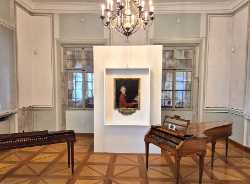 Museum
 der Moderne Salzburg
Museum
Museum der Moderne Salzburg
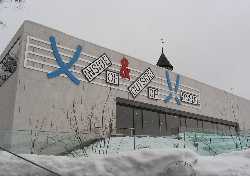 Museum
 der Moderne Salzburg – Rupertinum
Museum
Museum der Moderne Salzburg – Rupertinum
 Museum
Haus der Natur
Museum
Haus der Natur
 Museum
DomQuartier Salzburg
Museum
DomQuartier Salzburg
 Museum
Stiegl-Brauwelt
Museum
Stiegl-Brauwelt
 Museum
Hangar-7 Aviation Museum
Museum
Hangar-7 Aviation Museum
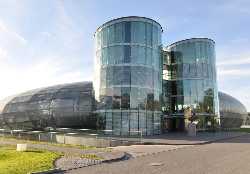 Museum
Salzburger Wehrgeschichtliches Museum
Museum
Salzburger Wehrgeschichtliches Museum
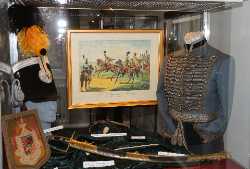 Museum
BIBELWELT Erlebnishaus
Museum
BIBELWELT Erlebnishaus
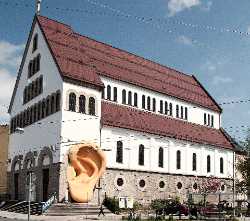 Museum
 Kunst der Verlorenen Generation
Museum
Museum Kunst der Verlorenen Generation
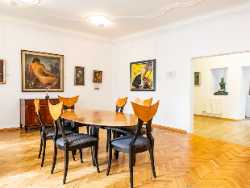 Museum
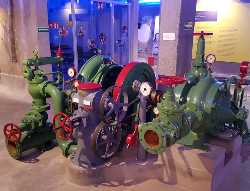
WasserSpiegel
Museum
WasserSpiegel
 Museum
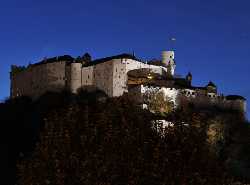
Hohensalzburg Fortress
Museum
Hohensalzburg Fortress
 Fortress
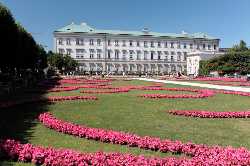
Mirabell Palace
Fortress
Mirabell Palace
 Palace
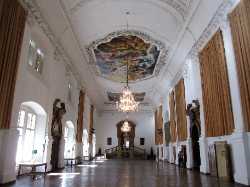
Salzburg Residenz
Palace
Salzburg Residenz
 Palace
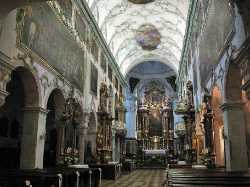
St. Peter's Abbey Church
Palace
St. Peter's Abbey Church
 Church
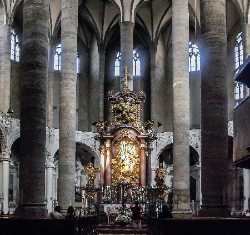
Franciscan Church Salzburg
Church
Franciscan Church Salzburg
 Church
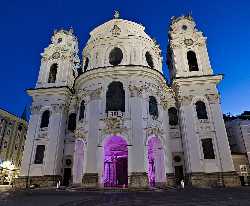
Collegiate Church
Church
Collegiate Church
 Church
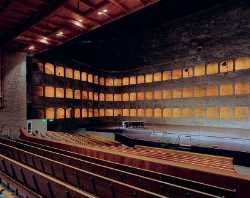
Felsenreitschule
Church
Felsenreitschule
 Music Venue
Salzburger Landestheater
Music Venue
Salzburger Landestheater
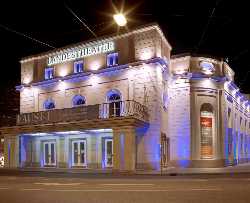 Theatre
Volksgarten Salzburg
Theatre
Volksgarten Salzburg
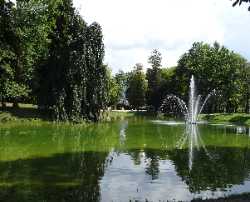 Park
Botanischer Garten der Universität Salzburg
Park
Botanischer Garten der Universität Salzburg
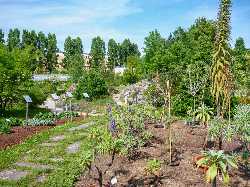 Botanical Garden
VEGA Observatory
Botanical Garden
VEGA Observatory
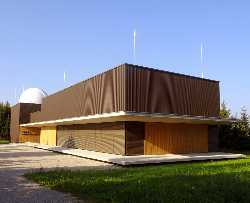 Observatory