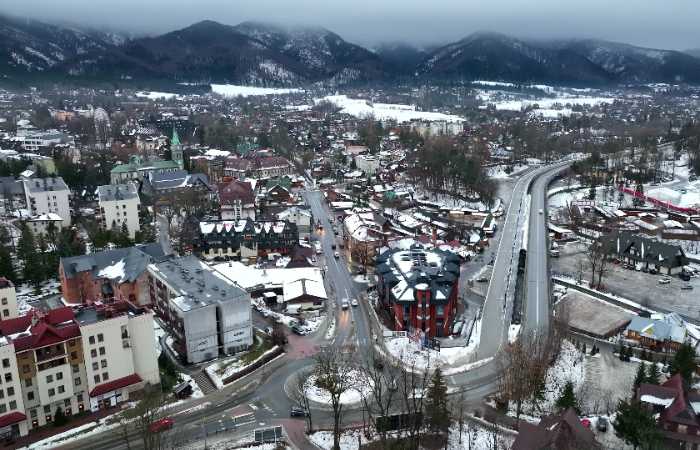
Zakopane
Nestled at the very edge of southern Poland, where the land suddenly thrusts upward into the granite jaggedness of the Tatra Mountains, lies Zakopane. Often crowned as the "Winter Capital of Poland," this high-altitude town is far more than a simple ski resort; it is a cultural sanctuary and a testament to a unique highland identity that has survived centuries of shifting borders and modern pressures. To arrive in Zakopane is to leave the rolling plains of the Małopolska region behind and enter a world defined by the verticality of the peaks and the stubborn, rhythmic traditions of the Górale—the Polish highlanders. The town’s aesthetic is its first great storyteller. While other European mountain towns leaned into Swiss or Austro-Hungarian chalet styles, Zakopane forged its own path at the end of the 19th century. This was thanks largely to Stanisław Witkiewicz, who pioneered the "Zakopane Style." Walking past historic villas like Koliba or the ethereal Jaszczurówka Chapel, one sees a celebration of wood: steep, shingled roofs designed to shed heavy snow, intricate floral carvings on doorframes, and foundations made of rugged river stone. These buildings were not just houses; they were a declaration of Polish national pride at a time when the country did not even exist on the map. The pulse of the city is found on Krupówki, a vibrant pedestrian artery that hums with life in every season. Here, the air is thick with the scent of oscypek—the salty, spindle-shaped smoked sheep’s cheese being grilled over open flames on every corner. The soundscape is equally distinct, often filled with the frantic, bowing energy of highlander violins echoing from traditional wooden taverns known as karczmy. In these dimly lit, timber-walled restaurants, visitors sit at heavy wooden tables to eat hearty sour rye soup (żurek) and listen to tales of legendary outlaws like Janosik, the mountain Robin Hood. Yet, the true majesty of Zakopane lies just beyond the town’s edge, in the silence of the Tatra National Park. Whether it is the emerald stillness of Morskie Oko, a glacial lake cradled by towering cliffs, or the panoramic winds atop Kasprowy Wierch, the landscape commands a rare kind of reverence. As spring settles over the valleys in late March 2026, the transition is visible: the white slopes are slowly giving way to the first purple crocuses, signaling a shift from the clatter of ski boots to the steady rhythm of hiking poles. Zakopane remains a place where the mountains aren't just a backdrop, but a way of life that invites every visitor to look upward.
What to see in Zakopane
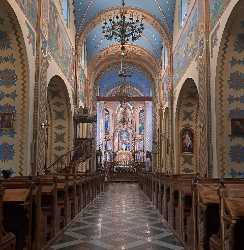
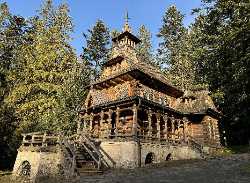 Chapel
National Shrine of Our Lady of Fatima
Chapel
National Shrine of Our Lady of Fatima
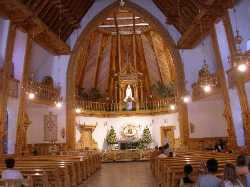 Church
 of St. John the Apostle and Evangelist
Church
Church of St. John the Apostle and Evangelist
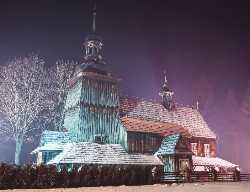 Church
Kościół Najświętszej Rodziny
Church
Kościół Najświętszej Rodziny
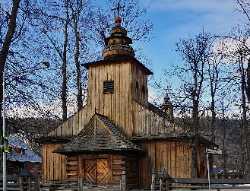
 Church
 of Our Lady of Częstochowa
Church
Church of Our Lady of Częstochowa
 Church
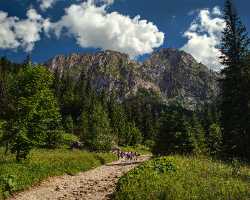
Giewont Mountain
Church
Giewont Mountain
 Mountain
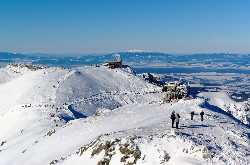
Kasprowy Wierch
Mountain
Kasprowy Wierch
 Mountain
Nosal Peak
Mountain
Nosal Peak
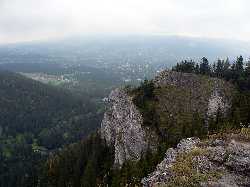 Mountain Peak
Muzeum Stylu Zakopiańskiego im. S. Witkiewicza
Mountain Peak
Muzeum Stylu Zakopiańskiego im. S. Witkiewicza
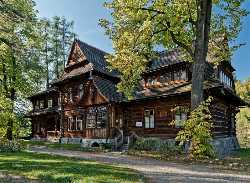 Museum
Willa Oksza
Museum
Willa Oksza
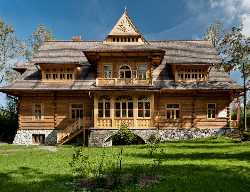 Museum
Władysław Hasior Gallery
Museum
Władysław Hasior Gallery
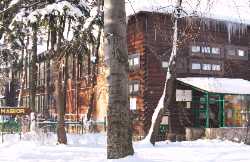 Museum
Centrum Edukacji Przyrodniczej TPN Zakopane
Museum
Centrum Edukacji Przyrodniczej TPN Zakopane
 Museum
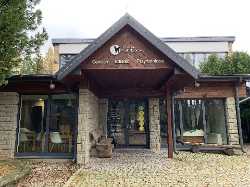
Jan Kasprowicz Museum
Museum
Jan Kasprowicz Museum
 Museum
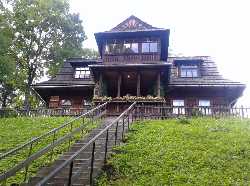
Kornel Makuszyński Museum
Museum
Kornel Makuszyński Museum
 Museum
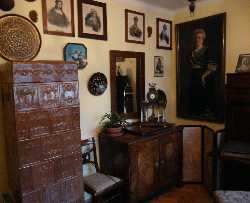
Be Happy Museum Zakopane
Museum
Be Happy Museum Zakopane
 Museum
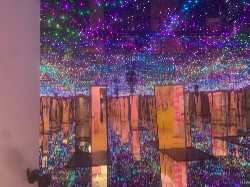
Chałupa Sabały
Museum
Chałupa Sabały
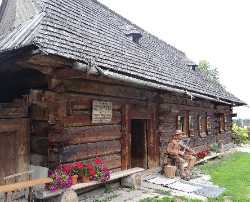 Museum
Oscypek Museum
Museum
Oscypek Museum
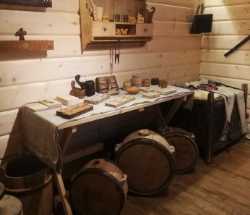 Museum
Palace Museum of Struggle and Martyrdom
Museum
Palace Museum of Struggle and Martyrdom
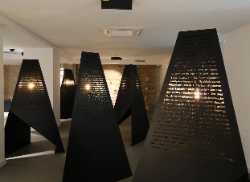 Museum
Karol Szymanowski Museum – Villa Atma
Museum
Karol Szymanowski Museum – Villa Atma
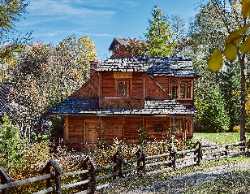 Museum
Willa Koliba
Museum
Willa Koliba
 Museum
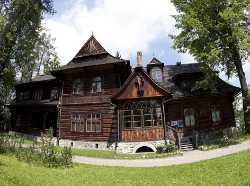
The Tatra Museum
Museum
The Tatra Museum
 Museum
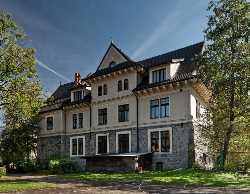
Tatra National Park
Museum
Tatra National Park
 Park
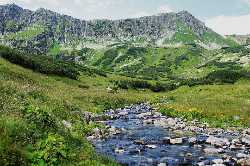
Dolna Rówień Krupowa
Park
Dolna Rówień Krupowa
 Park
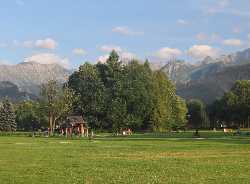
Strążyska Valley
Park
Strążyska Valley
 Park
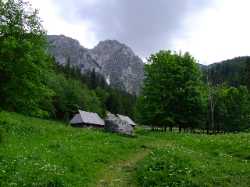
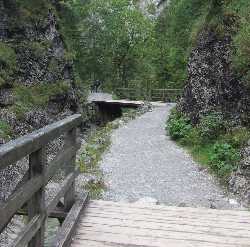
Dolina Białego
Park
Dolina Białego
 Park
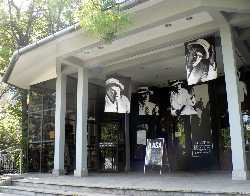
Stanisław Ignacy Witkiewicz Theatre
Park
Stanisław Ignacy Witkiewicz Theatre
 Theatre
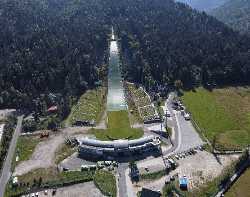
Wielka Krokiew Ski Jump
Theatre
Wielka Krokiew Ski Jump
 Tourist attraction