Heptapyrgion of Thessaloniki
The Heptapyrgion, perched on the city’s acropolis, is one of Thessaloniki’s most atmospheric landmarks. Despite its name meaning “Seven Towers,” the fortress actually has ten, shaped by centuries of rebuilding. Its origins trace back to the late Byzantine era, but most of what stands today reflects Ottoman engineering, including the massive gatehouse and the inner courtyard that once controlled access to the upper city. One of the most striking facts is its long second life as a prison. From the 19th century until 1989, the Heptapyrgion held political prisoners, creating a layered memory that contrasts sharply with its medieval walls. Visitors can still see former cell blocks, narrow corridors, and inscriptions left by inmates, offering a rare glimpse into Greece’s modern history. Inside, the fortress reveals a maze of towers, vaulted chambers, and defensive passages. The northern towers provide sweeping views over Thessaloniki and the Thermaic Gulf, while the central courtyard highlights the structure’s strategic design. Archaeological work continues to uncover earlier Byzantine foundations, making the site a living archive of the city’s past.
Thessaloniki Greece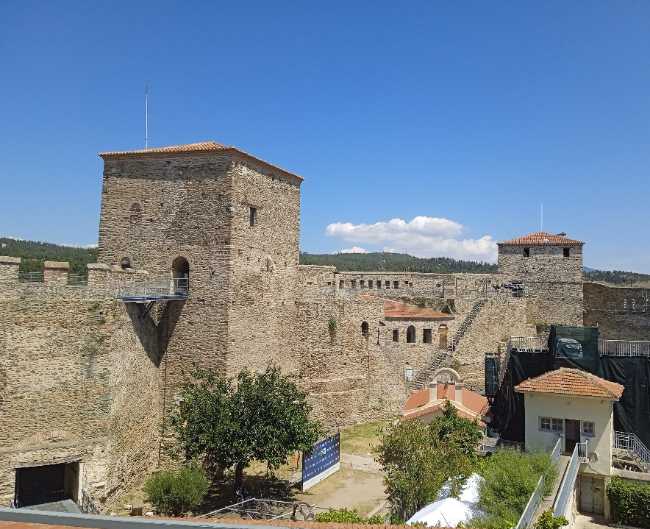
The Heptapyrgion sits high up in the Ano Poli, the old Upper Town of Thessaloniki, right on the northeastern edge of the ancient acropolis. You’ll find it along Eptapirgiou street, with the simple address Heptapyrgion, 546 34 Thessaloniki. It’s one of those places that feels a bit removed from the busy lower city, perched where the hill drops away and the views open wide over the rooftops, the Thermaic Gulf, and on clear days even toward Mount Olympus. The fortress itself, also known as Eptapyrgio or Yedi Kule, grew out of Byzantine walls and later Ottoman additions, and for a long stretch it even served as a prison. These days the site is quieter, a place to wander the towers and ramparts while soaking in that elevated perspective. Just a short stroll away you can explore the Trigonion Tower and stretches of the old Byzantine walls that still climb the hillside. A little farther brings you to the peaceful Vlatadon Monastery, one of the few Byzantine monasteries still active in the city. Nearby too is the small Church of Hosios David, with its early mosaics, and the neo-Byzantine Church of Saint Paul. Keep walking downhill through the winding lanes of Ano Poli and you’ll reach the Atatürk Museum, housed in the house where Mustafa Kemal was born, along with the grand Church of Saint Demetrios.
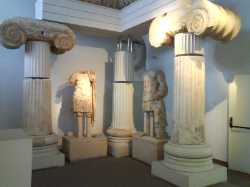 Museum
 of Byzantine Civilization
Museum
Museum of Byzantine Civilization
 Museum
White Tower of Thessaloniki
Museum
White Tower of Thessaloniki
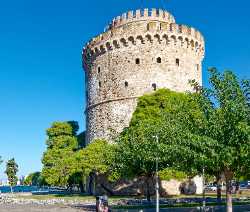 Historical Landmark
Museum of the Macedonian Struggle
Historical Landmark
Museum of the Macedonian Struggle
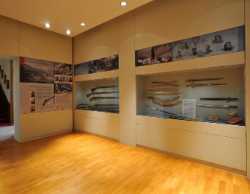 Museum
War Museum of Thessaloniki
Museum
War Museum of Thessaloniki
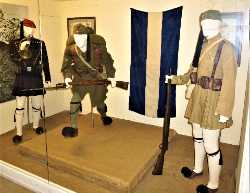 Museum
Folklife and Ethnological Museum of Macedonia-Thrace
Museum
Folklife and Ethnological Museum of Macedonia-Thrace
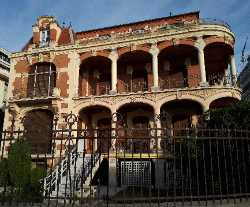 Museum
Jewish Museum of Thessaloniki
Museum
Jewish Museum of Thessaloniki
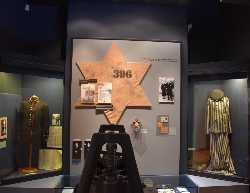 Museum
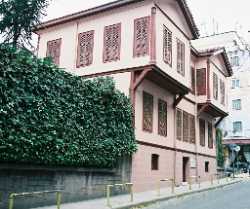
Atatürk Museum
Museum
Atatürk Museum
 Museum
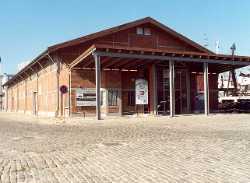
Thessaloniki Cinema Museum & Cinematheque
Museum
Thessaloniki Cinema Museum & Cinematheque
 Museum
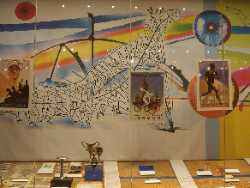
Olympic Museum of Thessaloniki
Museum
Olympic Museum of Thessaloniki
 Museum
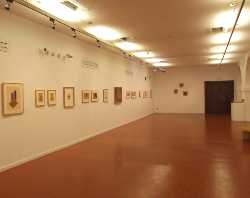
MOMus - Museum of Modern Art - Kostakis Collection
Museum
MOMus - Museum of Modern Art - Kostakis Collection
 Museum
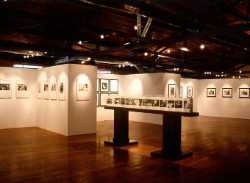
MOMus – Thessaloniki Museum of Photography
Museum
MOMus – Thessaloniki Museum of Photography
 Museum
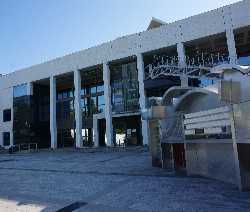
Teloglion Fine Arts Foundation
Museum
Teloglion Fine Arts Foundation
 Museum
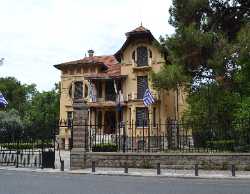
Municipal Art Gallery of Thessaloniki
Museum
Municipal Art Gallery of Thessaloniki
 Gallery
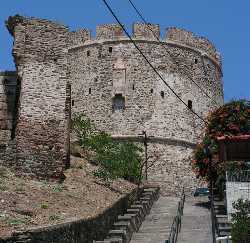
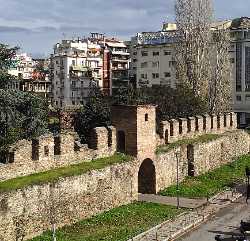
Trigonion Tower
Gallery
Trigonion Tower
 Tower
Vardaris Fortress
Tower
Vardaris Fortress
 Fortress
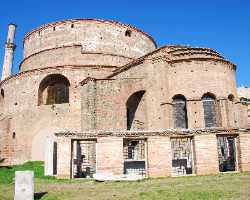
Arch of Galerius
Fortress
Arch of Galerius
 Historical Landmark
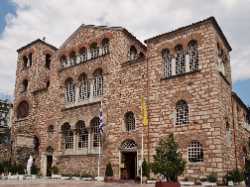
Church of Saint Demetrius
Historical Landmark
Church of Saint Demetrius
 Church
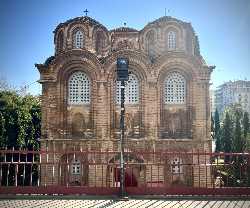
 of Panagia Chalkeon
Church
Church of Panagia Chalkeon
 Church
 of Acheiropoietos
Church
Church of Acheiropoietos
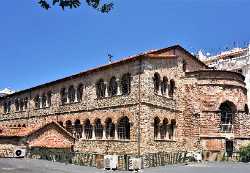 Church
 of the Transfiguration of the Saviour
Church
Church of the Transfiguration of the Saviour
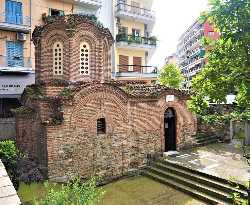 Church
 of Saint Panteleimon Thessaloniki
Church
Church of Saint Panteleimon Thessaloniki
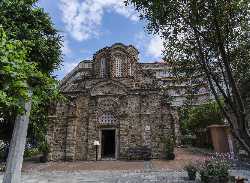 Church
 of Saint Catherine
Church
Church of Saint Catherine
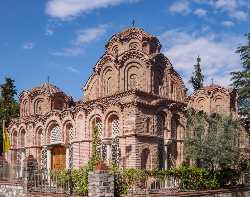 Church
 of the Holy Apostles
Church
Church of the Holy Apostles
 Church
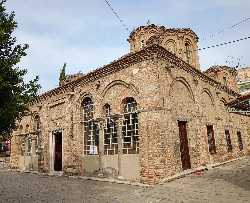
 of Saint Nicholas Orphanos
Church
Church of Saint Nicholas Orphanos
 Church
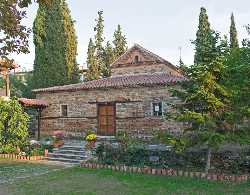
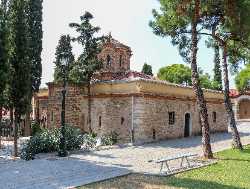
Vlatadon Monastery
Church
Vlatadon Monastery
 Monastery
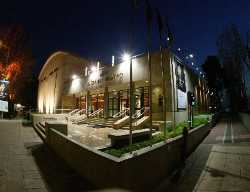
Royal Theatre of Thessaloniki
Monastery
Royal Theatre of Thessaloniki
 Theatre
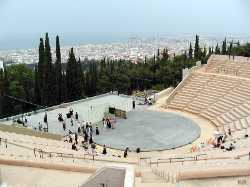
Forest Theatre
Theatre
Forest Theatre
 Theatre