Trigonion Tower
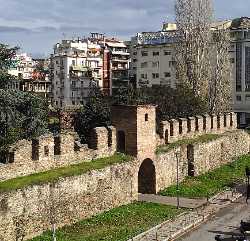
The Trigonion Tower stands at the eastern edge of Thessaloniki’s Upper Town, guarding the city walls with a commanding view over the Thermaic Gulf. Built in the late 15th century, it served as a key Ottoman defensive bastion, designed to withstand artillery fire. Its name likely comes from its triangular ground plan, a rare feature among Thessaloniki’s fortifications. One of the tower’s most interesting aspects is its dual role: while primarily military, it also functioned as a control point for the city’s eastern gate. The thick masonry, cannon embrasures, and angled walls reveal how the structure was adapted to early gunpowder warfare. Restoration work has uncovered earlier Byzantine foundations, showing how the tower evolved across centuries. Inside, visitors can explore vaulted chambers, narrow stairways, and lookout points that once coordinated the city’s defense. The upper terrace offers one of Thessaloniki’s most iconic panoramas, stretching from the port to Mount Olympus on clear days. Although the interior is relatively austere, its architectural details—stone ribs, firing slits, and layered masonry—make it a compelling window into the city’s military past.
Thessaloniki Greece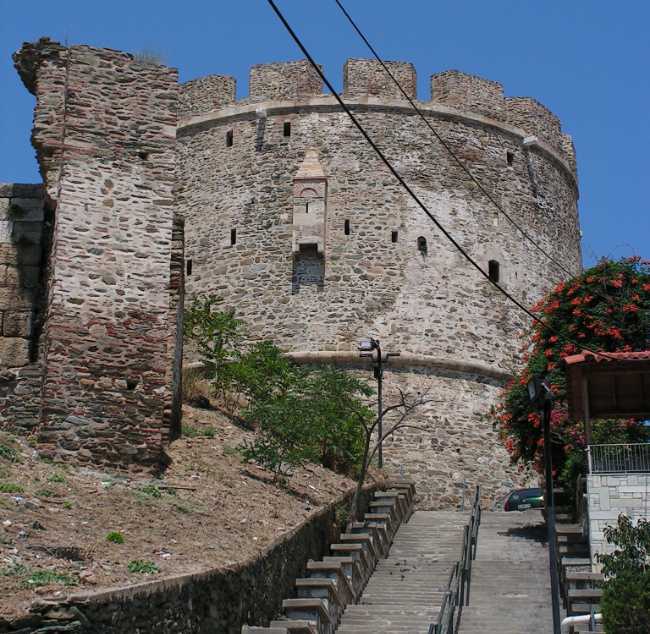
The Trigonion Tower stands in the Upper Town of Thessaloniki, known as Ano Poli, right along the old Byzantine walls in the Agios Pavlos area. The straightforward address is Agios Pavlos, 546 34 Thessaloniki. It sits at a high point where the eastern and northern fortifications meet, often called the balcony of the city because of the wide open views it gives over the rooftops, the Thermaic Gulf, and on clear days even Mount Olympus in the distance. Built in the late 15th century as an Ottoman artillery tower to strengthen the existing walls, it has a solid round shape and once helped guard a vulnerable stretch of the defenses. These days the outdoor platform stays open freely, while the tower itself has set visiting hours, and it’s a peaceful spot to linger and take in the landscape. Just a short walk uphill brings you to the larger Heptapyrgion fortress, also called Eptapyrgio or Yedi Kule, with its cluster of towers and its own long history as a citadel and later a prison. Nearby you can also visit the quiet Vlatadon Monastery, still active and full of Byzantine character. A little farther through the winding lanes of Ano Poli are the Church of Hosios David with its early mosaics, stretches of the ancient city walls, and the Atatürk Museum in the house where Mustafa Kemal was born.
 Museum
 of Byzantine Civilization
Museum
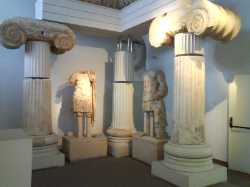
Museum of Byzantine Civilization
 Museum
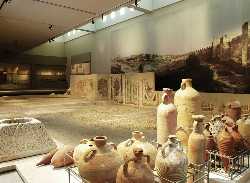
White Tower of Thessaloniki
Museum
White Tower of Thessaloniki
 Historical Landmark
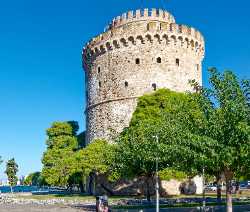
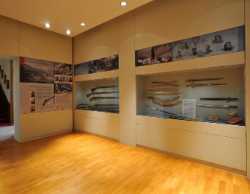
Museum of the Macedonian Struggle
Historical Landmark
Museum of the Macedonian Struggle
 Museum
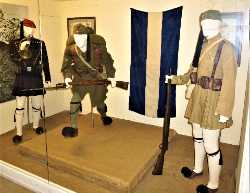
War Museum of Thessaloniki
Museum
War Museum of Thessaloniki
 Museum
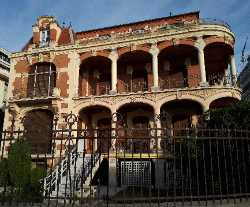
Folklife and Ethnological Museum of Macedonia-Thrace
Museum
Folklife and Ethnological Museum of Macedonia-Thrace
 Museum
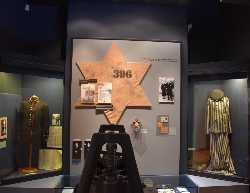
Jewish Museum of Thessaloniki
Museum
Jewish Museum of Thessaloniki
 Museum
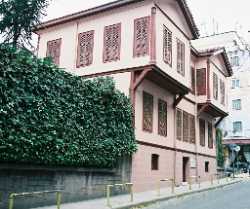
Atatürk Museum
Museum
Atatürk Museum
 Museum
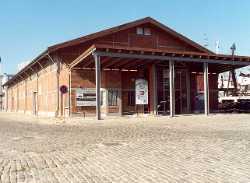
Thessaloniki Cinema Museum & Cinematheque
Museum
Thessaloniki Cinema Museum & Cinematheque
 Museum
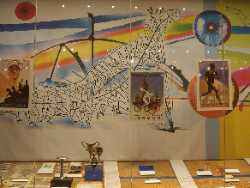
Olympic Museum of Thessaloniki
Museum
Olympic Museum of Thessaloniki
 Museum
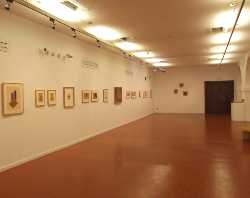
MOMus - Museum of Modern Art - Kostakis Collection
Museum
MOMus - Museum of Modern Art - Kostakis Collection
 Museum
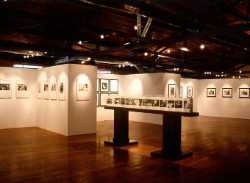
MOMus – Thessaloniki Museum of Photography
Museum
MOMus – Thessaloniki Museum of Photography
 Museum
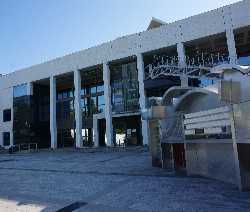
Teloglion Fine Arts Foundation
Museum
Teloglion Fine Arts Foundation
 Museum
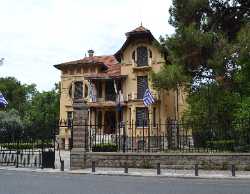
Municipal Art Gallery of Thessaloniki
Museum
Municipal Art Gallery of Thessaloniki
 Gallery
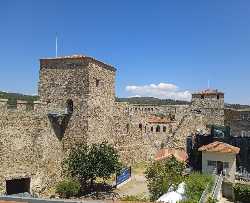
Heptapyrgion of Thessaloniki
Gallery
Heptapyrgion of Thessaloniki
 Fortress
Vardaris Fortress
Fortress
Vardaris Fortress
 Fortress
Arch of Galerius
Fortress
Arch of Galerius
 Historical Landmark
Church of Saint Demetrius
Historical Landmark
Church of Saint Demetrius
 Church
 of Panagia Chalkeon
Church
Church of Panagia Chalkeon
 Church
 of Acheiropoietos
Church
Church of Acheiropoietos
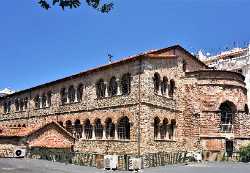 Church
 of the Transfiguration of the Saviour
Church
Church of the Transfiguration of the Saviour
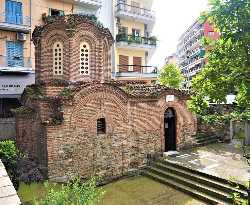 Church
 of Saint Panteleimon Thessaloniki
Church
Church of Saint Panteleimon Thessaloniki
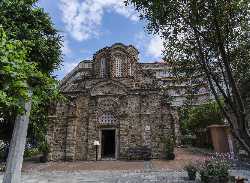 Church
 of Saint Catherine
Church
Church of Saint Catherine
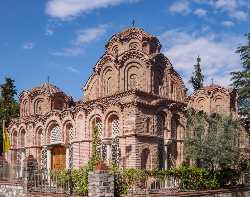 Church
 of the Holy Apostles
Church
Church of the Holy Apostles
 Church
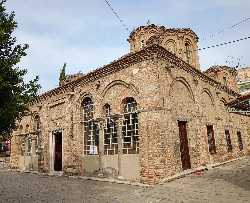
 of Saint Nicholas Orphanos
Church
Church of Saint Nicholas Orphanos
 Church
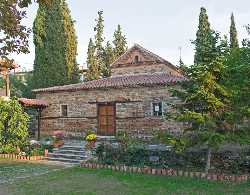
Vlatadon Monastery
Church
Vlatadon Monastery
 Monastery
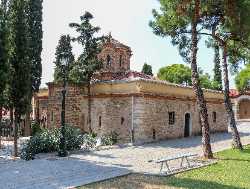
Royal Theatre of Thessaloniki
Monastery
Royal Theatre of Thessaloniki
 Theatre
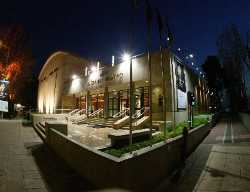
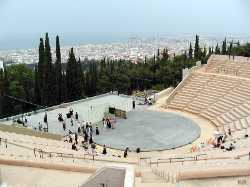
Forest Theatre
Theatre
Forest Theatre
 Theatre