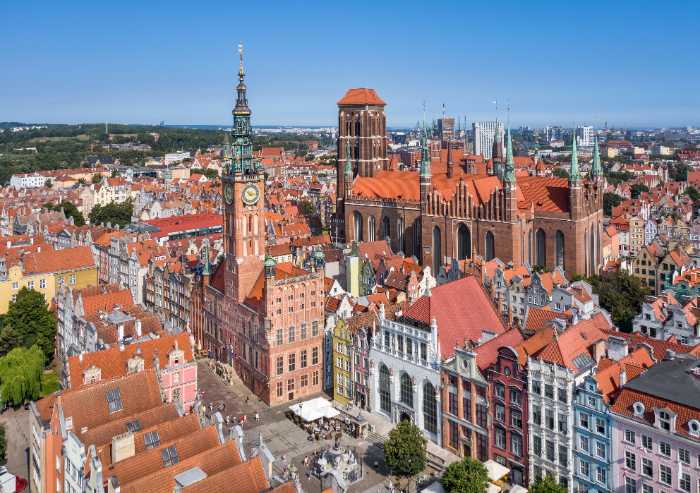
Gdansk
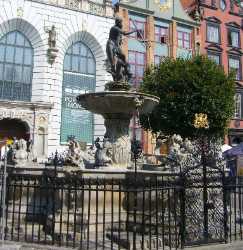
Gdańsk is a city that carries its scars as gracefully as its crowns. Perched on the amber-rich shores of the Baltic Sea, it is a place where the air smells of salt and history, and where the architecture tells a story of a thousand years of wealth, destruction, and defiance. To walk through Gdańsk is to understand that a city is not just made of stone and mortar, but of an unbreakable human spirit.The journey invariably centers on the Main Town, an area so meticulously restored after the devastation of World War II that it feels like a vivid dream of the 17th century. The Royal Way, stretching from the Golden Gate to the Green Gate, serves as the city’s grand spine. Here, the merchant houses—tall, narrow, and painted in shades of ochre, sage, and rose—tower over cobblestones that once rang with the voices of Hanseatic traders. At its heart stands the Neptune Fountain, a bronze sentinel that has watched over the Long Market since 1633. Legend says that the god of the sea was once so annoyed by people throwing gold coins into his fountain that he struck the water with his trident, shattering the gold into the tiny flakes found in the city’s famous herbal liqueur, Goldwasser.But Gdańsk is more than just a beautiful facade; it is a global symbol of freedom. On the Westerplatte peninsula, the first shots of World War II were fired, marking the start of a conflict that would leave the city in ruins. Decades later, it was the iron gates of the Gdańsk Shipyard that saw the birth of Solidarity, the first independent trade union in the Soviet bloc. Led by Lech Wałęsa, this movement began the domino effect that eventually brought down the Iron Curtain. Today, the rusted steel and towering cranes of the shipyard serve as a cathedral to modern democracy.As evening falls, the most atmospheric corner of the city is Mariacka Street. Widely considered one of the most beautiful streets in Europe, it is lined with oversized stone porches and gargoyles that spit rainwater into the gutters. It is the undisputed capital of amber, where shop windows glow with the "gold of the Baltic." Behind it, the gargantuan red-brick mass of St. Mary’s Basilica—one of the largest brick churches in the world—casts a long shadow over the Motława River. Whether you are watching the medieval Crane reflected in the water or listening to the bells of the Town Hall, Gdańsk leaves you with the sense of a city that has seen the end of the world and chose to rebuild it, better and brighter than before.
What to see in Gdansk
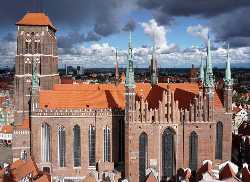 Basilica
Wisłoujście Fortress
Basilica
Wisłoujście Fortress
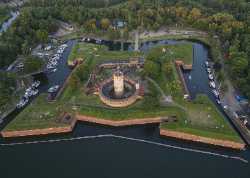 Castle
Oliwa Cathedral
Castle
Oliwa Cathedral
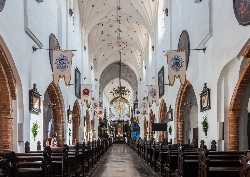 Cathedral
Church of the Holy Trinity Gdansk
Cathedral
Church of the Holy Trinity Gdansk
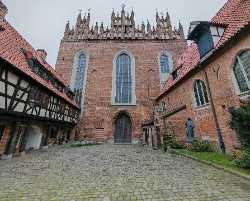 Church
St. John’s Church Gdansk
Church
St. John’s Church Gdansk
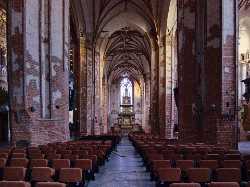 Church
St. Bridget’s Church
Church
St. Bridget’s Church
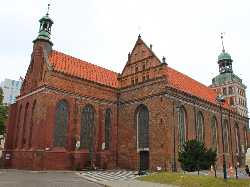 Church
St. Catherine’s Church Gdansk
Church
St. Catherine’s Church Gdansk
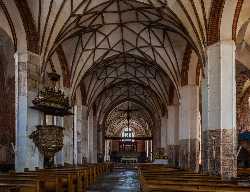 Church
Museum of the Polish Baltic Philharmonic
Church
Museum of the Polish Baltic Philharmonic
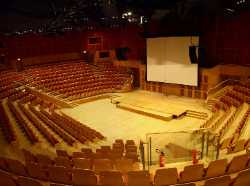 Concert Hall
Postern of Bastion Schütz
Concert Hall
Postern of Bastion Schütz
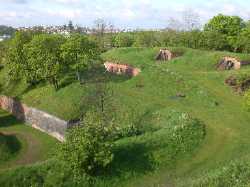 Fortress
French Garden
Fortress
French Garden
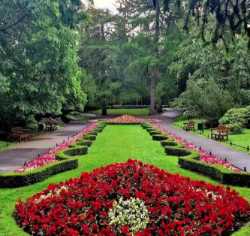 Garden
Golden Gate
Garden
Golden Gate
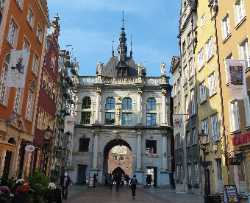 Historical Landmark
Westerplatte
Historical Landmark
Westerplatte
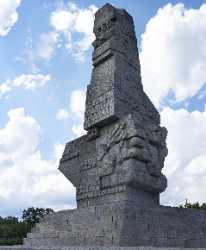 Monument
National Maritime Museum in Gdańsk
Monument
National Maritime Museum in Gdańsk
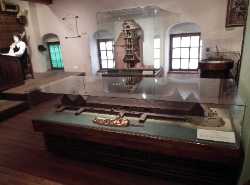 Museum
 of Gdańsk Main Town Hall
Museum
Museum of Gdańsk Main Town Hall
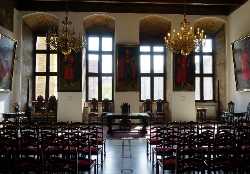 Museum
Green Gate
Museum
Green Gate
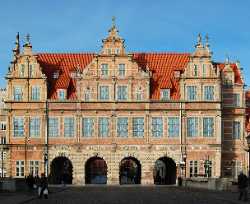 Museum
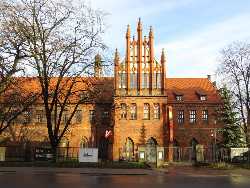
National Museum in Gdańsk
Museum
National Museum in Gdańsk
 Museum
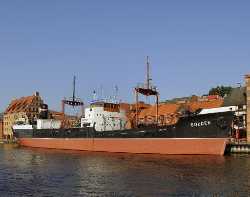
SS Sołdek Museum Ship
Museum
SS Sołdek Museum Ship
 Museum
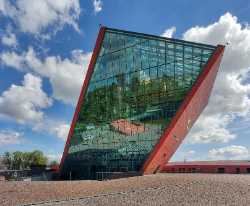
 of the Second World War
Museum
Museum of the Second World War
 Museum
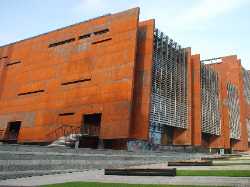
European Solidarity Centre
Museum
European Solidarity Centre
 Museum
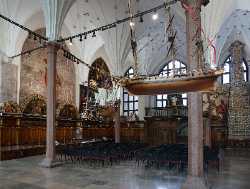
Artus Court
Museum
Artus Court
 Museum
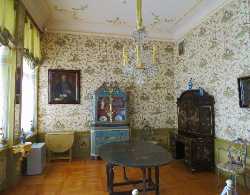
Uphagen House
Museum
Uphagen House
 Museum
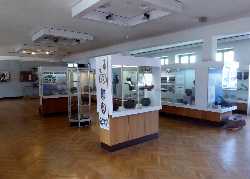
Archaeological Museum in Gdansk
Museum
Archaeological Museum in Gdansk
 Museum
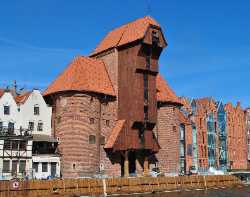
The Crane
Museum
The Crane
 Museum
Polish Post Office Museum
Museum
Polish Post Office Museum
 Museum
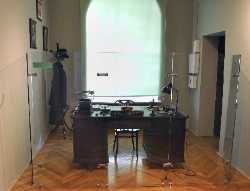
NOMUS – New Art Museum
Museum
NOMUS – New Art Museum
 Museum
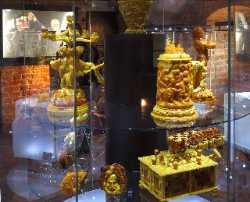
Amber Museum
Museum
Amber Museum
 Museum
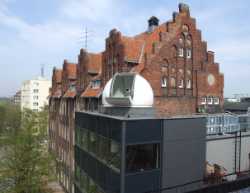
Astronomical Observatory in Gdańsk
Museum
Astronomical Observatory in Gdańsk
 Observatory
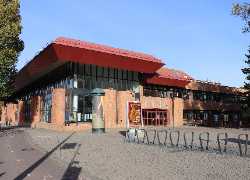
Baltic Opera
Observatory
Baltic Opera
 Opera House
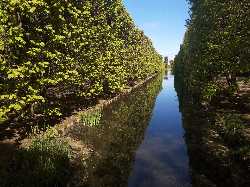
Oliwa Park
Opera House
Oliwa Park
 Park
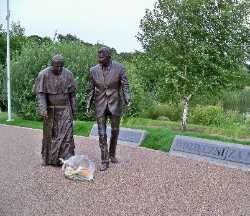
President Ronald Reagan Park
Park
President Ronald Reagan Park
 Park
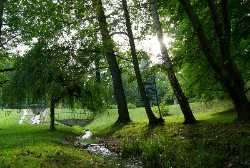
Park Oruński im. Emilii Hoene
Park
Park Oruński im. Emilii Hoene
 Park
Neptune's Fountain
Park
Neptune's Fountain
 Sculpture
Teatr Miniatura
Sculpture
Teatr Miniatura
 Theatre
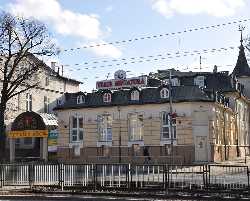
Teatr Wybrzeże
Theatre
Teatr Wybrzeże
 Theatre
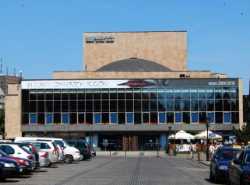
Gdański Teatr Szekspirowski
Theatre
Gdański Teatr Szekspirowski
 Theatre
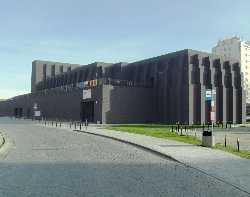
Teatr Leśny
Theatre
Teatr Leśny
 Theatre
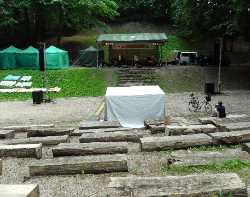
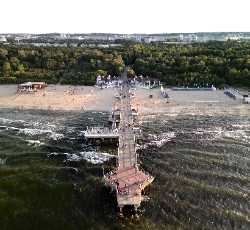
Brzeźno Pier
Theatre
Brzeźno Pier
 Tourist attraction
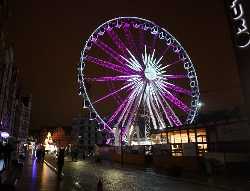
AmberSky Ferris Wheel
Tourist attraction
AmberSky Ferris Wheel
 Tourist attraction
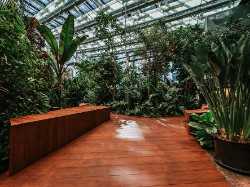
Olivia Garden
Tourist attraction
Olivia Garden
 Tourist attraction
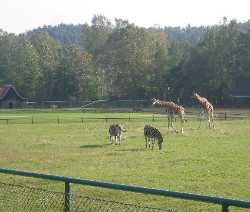
Gdańsk Zoo
Tourist attraction
Gdańsk Zoo
 Zoo
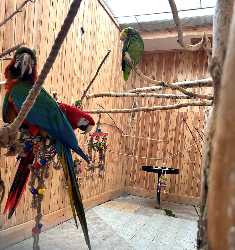
Papugarnia Gdańsk
Zoo
Papugarnia Gdańsk
 Zoo
Zoo